Asphalt Shingles vs. Standing Seam Metal: Which Roof Is Right for a Finger Lakes Home?
Key Takeaways
The Finger Lakes climate, with heavy lake-effect snow, freeze-thaw cycles, and wet summers, creates performance demands that separate good roofing materials from great ones.
Asphalt shingles cost significantly less upfront but typically need full replacement every 20 to 30 years depending on product quality.
Standing seam metal costs more initially but can last 40 to 70 years, sheds snow efficiently, and holds up exceptionally well through repeated freeze-thaw stress.
Neither material is universally superior. The right choice depends on your home's age, roof pitch, budget, and how long you plan to stay in the property.
Working with a local roofer who understands Finger Lakes weather conditions specifically is worth more than any online comparison guide, including this one.
The Roof Decision Every Finger Lakes Homeowner Eventually Faces
If you own a home in Seneca County, the Finger Lakes wine country, or anywhere across the broader region from Ithaca to Canandaigua, your roof faces a specific set of challenges that homeowners in more temperate climates simply do not deal with.
Lake-effect snow from Seneca and Cayuga lakes dumps heavy, wet snow repeatedly through winter. Temperatures swing from well below freezing to mild and back again within days, creating freeze-thaw cycles that stress every roofing material differently. Summer brings humidity and occasional severe storms. And in the fall, falling leaves and wet weather put drainage systems to the test.
When it is time to replace your roof, two materials dominate the conversation for residential homes in this region: asphalt shingles and standing seam metal. Both are legitimate options. Both are installed regularly across the Finger Lakes. And both have real strengths and real limitations that are worth understanding before you spend $8,000 to $30,000 or more on a new roof.
This guide gives you an honest, climate-specific comparison.
Understanding the Finger Lakes Climate and What It Demands from a Roof
Before comparing materials, it helps to be specific about what your roof is actually up against in this region.
Snow Load and Ice Dams
The Finger Lakes region regularly sees 80 to 120 inches of snowfall annually in many areas, with lake-effect events adding significant accumulation quickly. Wet, heavy snow creates substantial roof load. When temperatures fluctuate, that snow melts and refreezes at the eaves, forming ice dams that can back water under shingles and cause interior damage.
Your roofing material and installation quality both affect how well your home handles this. Proper attic insulation and ventilation are essential regardless of which material you choose, but the material itself also plays a role in how snow accumulates and how quickly ice dam conditions develop.
Freeze-Thaw Stress
Repeated freezing and thawing is one of the most damaging forces on roofing materials. Water expands when it freezes, and any material that absorbs moisture, or has seams where water can penetrate, is vulnerable to cracking, splitting, and seal failure over time.
Wind and Storm Exposure
Exposed ridgelines and lakeside properties in the Finger Lakes can see significant wind gusts during lake-effect storms and summer thunderstorms. Wind uplift resistance matters, especially at the roof edges and ridge.
Asphalt Shingles: What They Offer and Where They Fall Short
Asphalt shingles are the most common residential roofing material in the United States, and for good reason. They work, they are widely available, and they are accessible in price for most homeowners.
The Case for Asphalt in the Finger Lakes
Lower upfront cost. A standard asphalt shingle roof for a typical Finger Lakes home typically costs between $8,000 and $16,000 installed, depending on roof complexity, square footage, and product tier. That is a meaningful difference compared to metal.
Wide availability and ease of repair. Because asphalt is so common, finding contractors who can repair individual damaged shingles is straightforward. Storm damage, a fallen branch, or a few lifted shingles after a wind event can usually be addressed quickly and at low cost.
Proven performance with proper installation. When installed correctly with quality underlayment and adequate attic ventilation, architectural-grade asphalt shingles perform reliably in cold climates. The key word is correctly. Installation quality matters enormously with any roofing system.
Aesthetic variety. Modern architectural shingles come in a wide range of colors and profiles. They suit farmhouses, Victorian homes, lakeside cottages, and newer construction equally well.
The Limitations of Asphalt in the Finger Lakes
Shorter lifespan. Standard 3-tab shingles last 15 to 20 years. Architectural shingles typically last 25 to 30 years, and premium designer shingles can push toward 30 to 40 years. Regardless of product tier, asphalt shingles will need full replacement within your ownership horizon for most homeowners.
Ice dam vulnerability. Asphalt shingles are not inherently immune to ice dam damage. When ice dams form and water backs up under the shingles, it can penetrate to the decking and cause interior leaks. Ice and water shield underlayment at the eaves is essential in this climate.
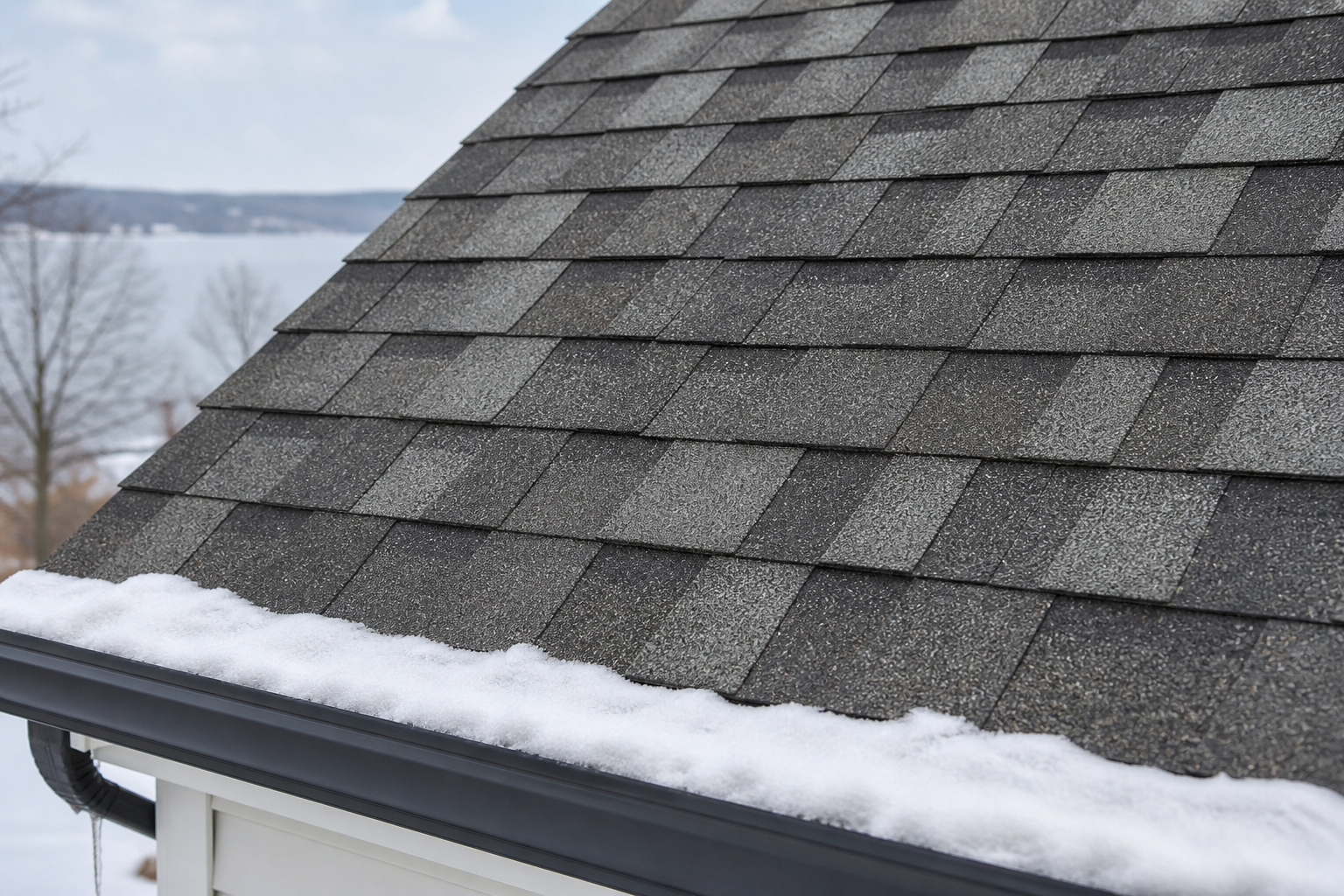
Granule loss and aging. Asphalt shingles shed granules over time. This is normal, but it accelerates with intense UV exposure and severe weather cycles. When granule loss becomes significant, the shingles begin losing their protective capacity.
Freeze-thaw sensitivity. Asphalt shingles can become brittle in very cold temperatures and are more susceptible to cracking during freeze-thaw cycles than metal. Sealant strips between shingles can also fail after repeated thermal cycling.
Standing Seam Metal: What It Offers and Where It Falls Short
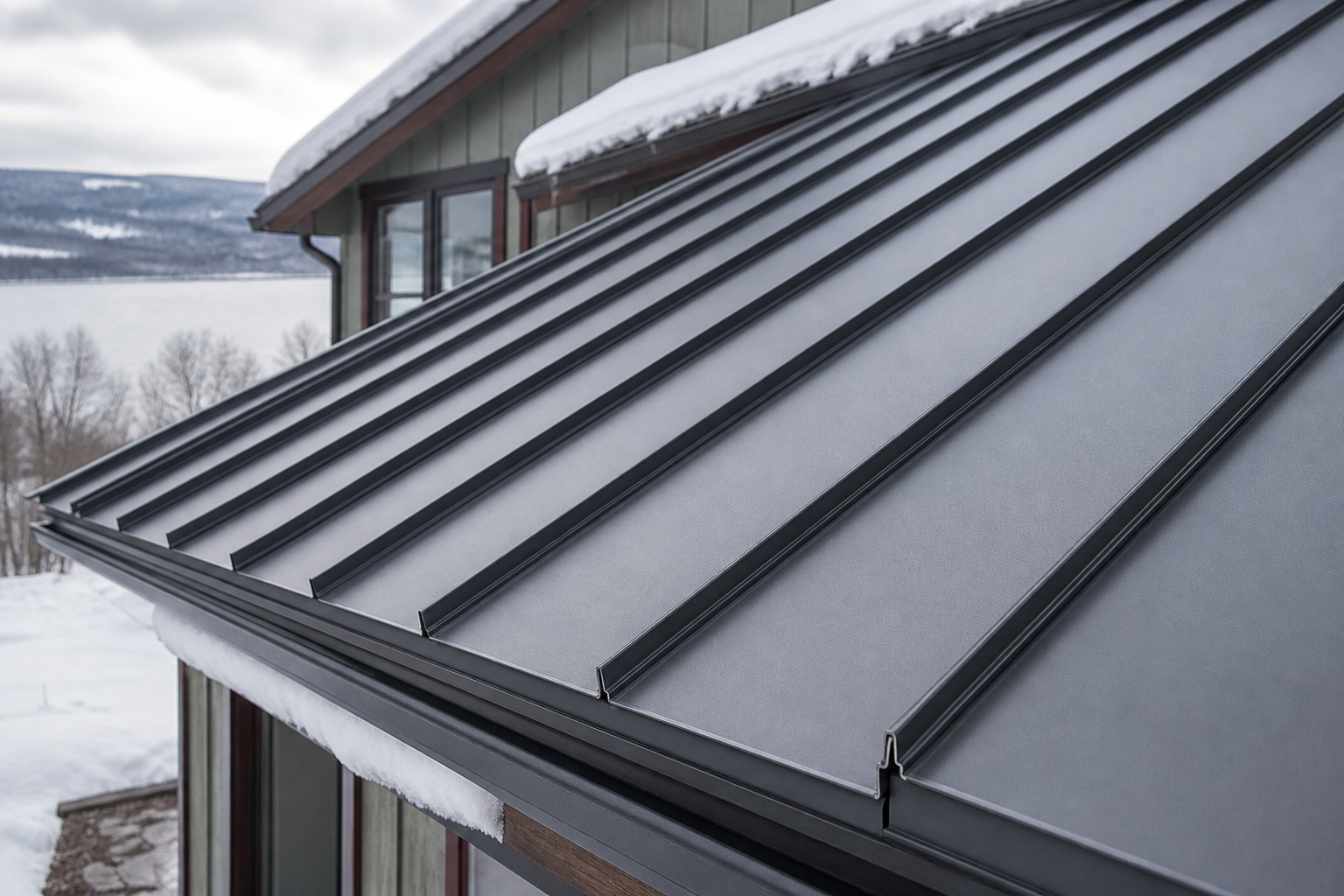
Standing seam metal roofing is defined by raised seams that interlock the panels vertically across the roof surface. Unlike exposed fastener metal roofing, standing seam panels are attached with concealed clips, which means no exposed screw holes that can become leak points over time.
The Case for Standing Seam in the Finger Lakes
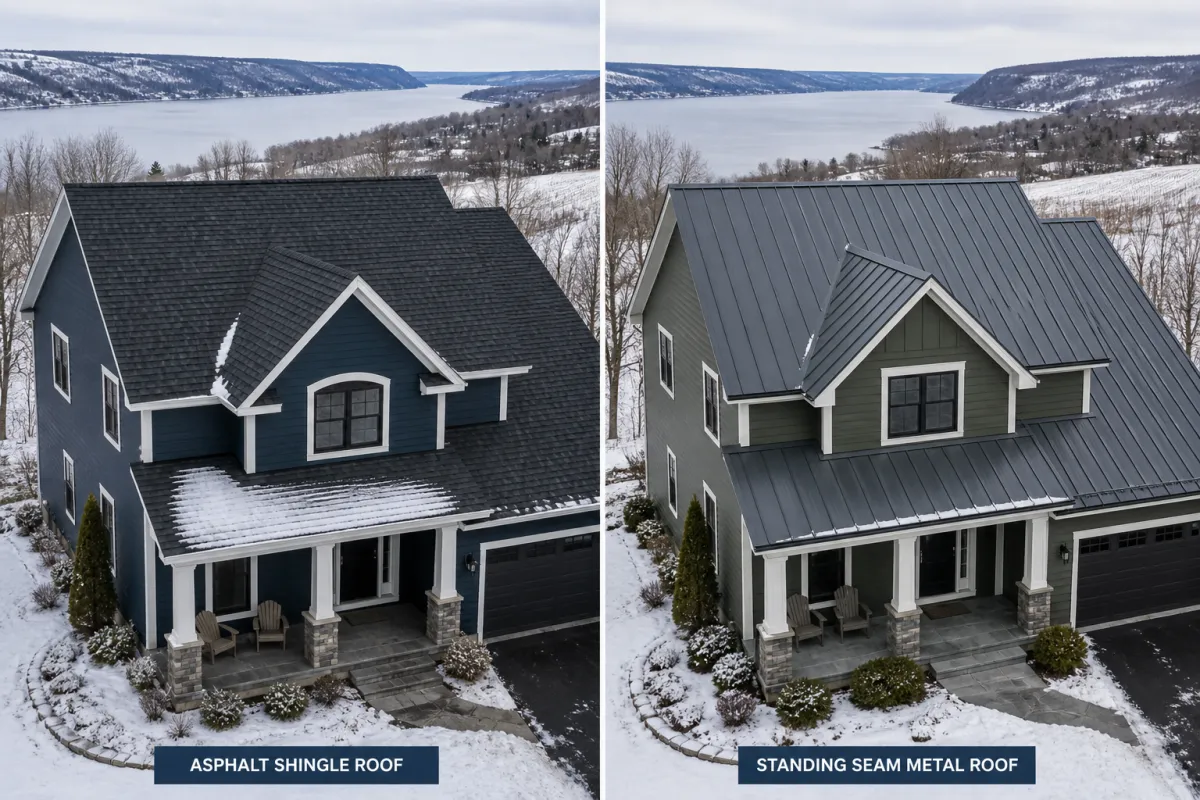
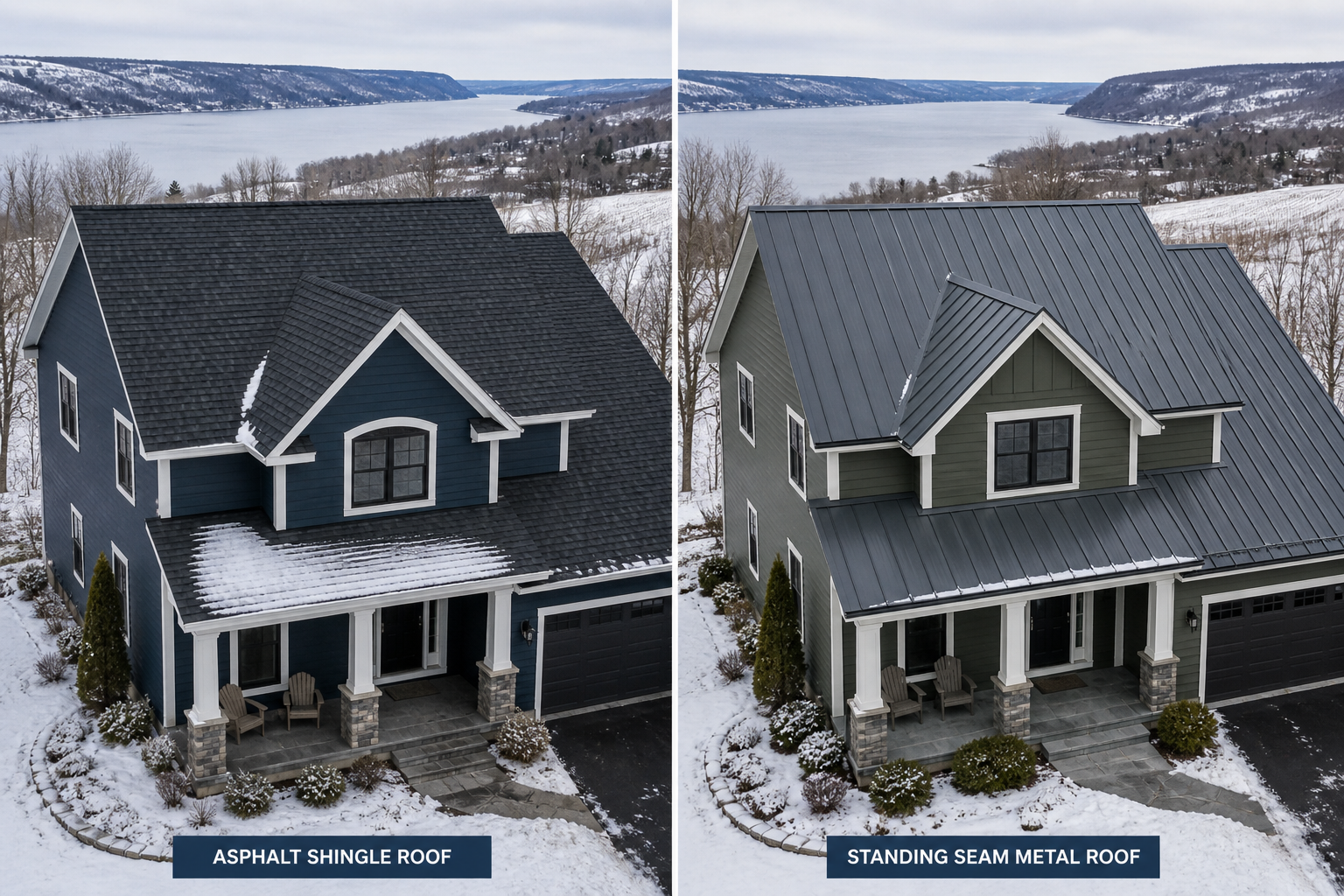
Snow sheds naturally and efficiently. This is arguably the single biggest climate-specific advantage for the Finger Lakes region. Snow does not stick to smooth metal panels the way it clings to textured asphalt shingles. It slides off with minimal accumulation, reducing roof load significantly during heavy lake-effect events and reducing ice dam formation risk at the eaves.
Exceptional lifespan. A properly installed standing seam metal roof typically lasts 40 to 70 years. For a homeowner in their 30s or 40s who plans to stay in their Finger Lakes home long-term, that means potentially never replacing the roof again.
Superior freeze-thaw resistance. Metal does not absorb moisture. Concealed fastener systems eliminate the most common water intrusion points. And the floating panel system accommodates the expansion and contraction caused by temperature swings without creating stress fractures or seal failures.
Energy efficiency. Metal roofs reflect solar radiation rather than absorbing it, which can reduce cooling costs in summer. Some Finger Lakes homeowners also find that the natural snow-shedding keeps ice buildup away from the eaves, which indirectly helps with winter energy performance.
Long-term cost advantage. The math over 40 to 50 years often favors metal, even though the upfront cost is higher. A standing seam roof installed today may outlast two or three asphalt replacements over the same period.
The Limitations of Standing Seam in the Finger Lakes
Higher upfront cost. Standing seam metal roofing typically costs between $18,000 and $35,000 installed for a standard Finger Lakes home, depending on roof complexity and panel specifications. The gap compared to asphalt is real and significant for homeowners working with a defined budget.
Noise. Rain and hail are louder on a metal roof than on asphalt shingles. Most homeowners adapt to this quickly, and proper underlayment significantly reduces sound transmission, but it is worth knowing before you commit.
Snow guards may be needed. While snow shedding is a performance benefit for roof load, large snow slides off a metal roof can be a hazard for walkways, entries, and landscaping below. Snow guards or retention systems are often added to control where and how snow releases, which adds to the project cost.
Not all contractors install it well. Standing seam metal requires specific training and experience. A poor installation, particularly around penetrations, valleys, and edges, can create more problems than it solves. Working with a contractor who has demonstrated standing seam experience matters even more than it does with asphalt.
Head-to-Head Comparison for Finger Lakes Homes
Factor Asphalt Shingles Standing Seam Metal Installed cost (typical home) $8,000 to $16,000 $18,000 to $35,000 Lifespan 20 to 30 years 40 to 70 years Snow shedding Moderate Excellent Ice dam resistance Moderate (depends on install) Strong Freeze-thaw durability Moderate Excellent Repair ease Very easy Requires specialist Aesthetic options Wide variety Sleek, modern profiles Energy efficiency Standard Above average Long-term value (50 years) 2 to 3 replacements likely Typically one installation
Which One Is Actually Right for Your Home?
The honest answer is that it depends on four things specific to your situation.
How Long Do You Plan to Stay?
If you are planning to sell within 10 years, asphalt shingles from a quality product line are almost certainly the right choice. The upfront savings are real, and you will not be around to benefit from the standing seam metal's long-term lifespan advantage.
If you are planning to stay for 20 years or more, the calculus shifts meaningfully toward metal. You will likely avoid at least one full roof replacement cycle, and the compounded cost of that second replacement makes the initial metal investment look much more reasonable.
What Is Your Roof Pitch?
Standing seam metal works across a range of pitches, but very low-slope roofs require specific panel profiles and installation approaches. Steep, complex rooflines with many penetrations, dormers, and valleys also increase the complexity and cost of a standing seam installation. Your roofer should assess your specific roof geometry before recommending either system.
What Is Your Priority: Snow Performance or Budget?
For lakeside homes, rural properties, or any home where heavy snow accumulation is a recurring issue, the snow-shedding advantage of standing seam metal is not a small benefit. It directly reduces the structural load on your roof and the likelihood of ice dam formation. If your current roof regularly develops ice dams or you have had water damage related to winter weather, that performance advantage deserves significant weight in your decision.
If you are replacing a functional roof that has simply aged out and your primary constraint is budget, quality architectural shingles from a reliable manufacturer remain a very solid choice.
What Does the Home Look Like?
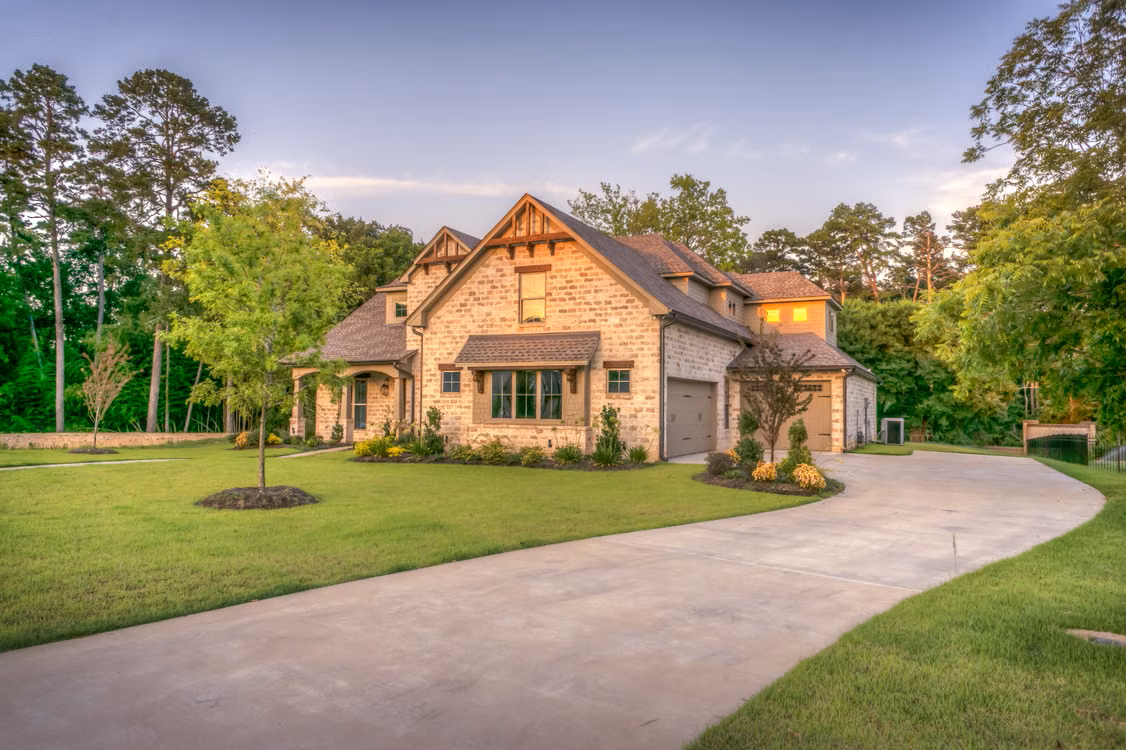
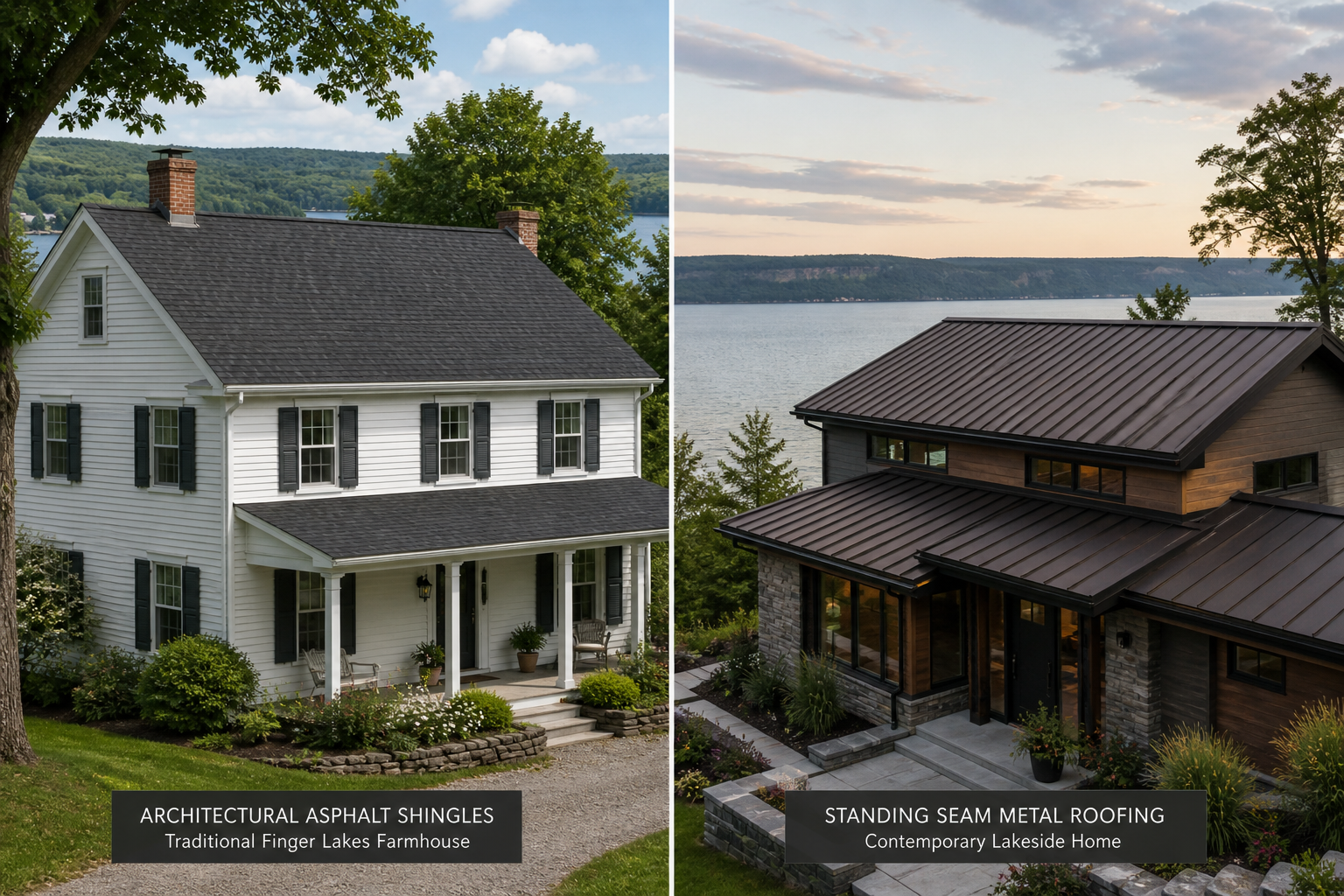
Both materials can look excellent on Finger Lakes homes. Asphalt shingles suit traditional farmhouses, craftsman-style homes, and lake cottages naturally. Standing seam metal has become increasingly popular on contemporary homes, modern barn-style construction, and upscale lakeside properties where its clean, linear profile is a design asset rather than a concession.
A Word About Installation Quality in This Region
Material choice matters. Installation quality matters more.
A standing seam metal roof installed carelessly around a chimney flashing or a pipe penetration will fail long before it should. An asphalt shingle roof installed without proper ice and water shield at the eaves in a lake-effect snow zone is inviting problems.
The Finger Lakes region has specific installation requirements that experienced local roofers understand intuitively. Attic ventilation standards, underlayment selection for cold climates, and proper edge metal detailing at the eaves are not afterthoughts. They are the difference between a roof that performs as expected and one that causes expensive headaches within a few years.
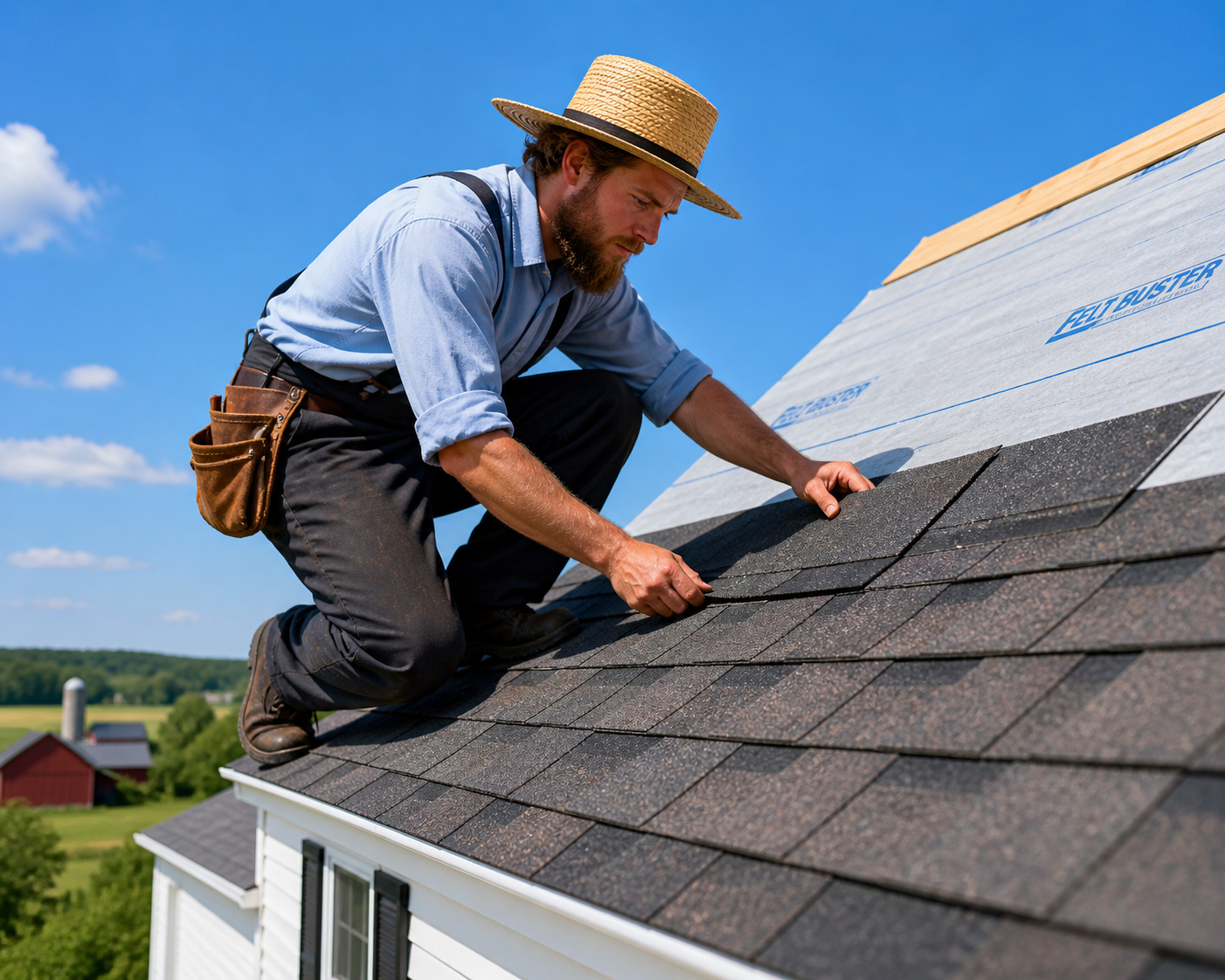
At LS Roofing, we have built our business on Amish craftsmanship and local expertise across the Finger Lakes. Whether a homeowner is considering our shingle roofing services or our standing seam metal roofing, the installation standards we apply are the same: no shortcuts, no compromises, and work done the way it should be done.
The Cost Conversation: What 50 Years Actually Looks Like
Sticker price comparisons between asphalt and metal can be misleading because they compare a 25-year product to a 50-year product as if they are the same decision.
Here is a more realistic long-term cost framework for a typical Finger Lakes home:
Asphalt shingle scenario (50-year window):
Initial installation: $12,000
Replacement at year 25: $14,000 to $16,000 (accounting for inflation and price increases)
Minor repairs over the period: $2,000 to $4,000
Total estimated range: $28,000 to $32,000
Standing seam metal scenario (50-year window):
Initial installation: $25,000
Minor repairs over the period: $500 to $1,500
Total estimated range: $25,500 to $26,500
These are illustrative estimates, not guarantees. But the pattern they show is consistent with how roofing professionals think about long-term value. Metal's upfront premium is often recovered over the full ownership period, particularly when you factor in the disruption cost of a full roof replacement mid-ownership.
Getting a Roof Inspection Before You Decide
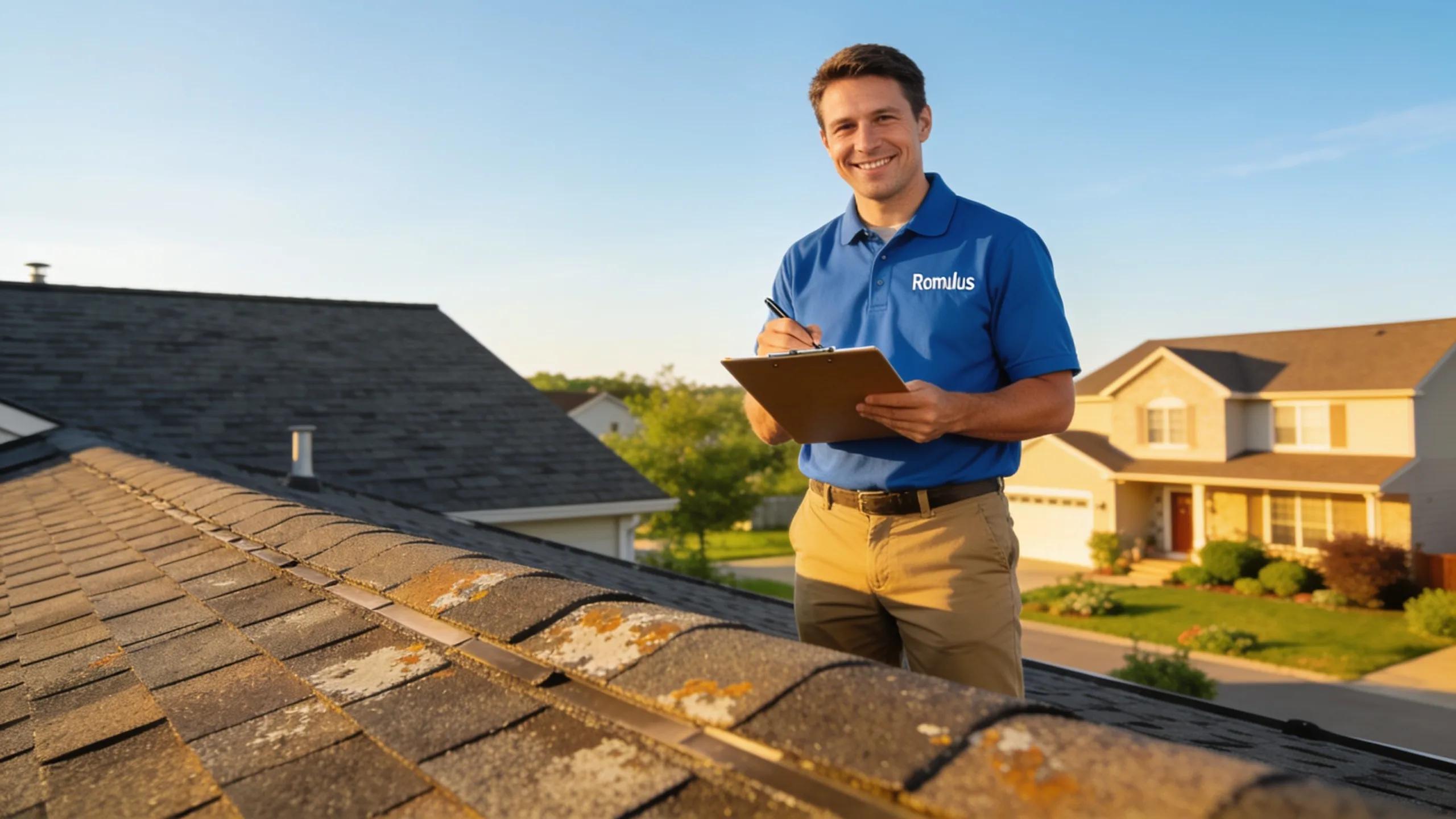
If you are comparing materials because you know a replacement is coming, the best first step is a professional inspection of what you have now. An experienced roofer can tell you:
How many years of useful life remain in your current system
Whether the underlying decking shows any damage that needs to be addressed
Whether your attic ventilation is adequate for the material you are considering
Which material makes the most sense given your specific home's construction and site exposure
LS Roofing offers free roof inspections for homeowners across the Finger Lakes, from Geneva and Seneca Falls to Ithaca, Cortland, and Canandaigua. A 20-minute walkthrough with an experienced roofer is worth more than any online guide when it comes to making the right call for your specific home.
The Bottom Line
Neither asphalt shingles nor standing seam metal is the wrong answer for a Finger Lakes home. They are different tools for different situations.
Choose asphalt shingles if:
Your budget is limited and upfront cost is the primary constraint
You plan to sell the home within the next 10 to 15 years
Your home has a complex roofline with many penetrations and valleys
You want easy access to local repair contractors at low cost
Choose standing seam metal if:
You plan to stay in the home long-term and want a roof you may never have to replace again
Lake-effect snow, ice dams, or past winter weather damage has been a recurring issue
You want the lowest-maintenance system available over a 40-plus year horizon
Your home's aesthetic suits the clean, modern profile of standing seam panels
Both decisions benefit enormously from working with a contractor who knows this climate, installs with care, and stands behind their work. That is what LS Roofing LLC has been doing in Romulus and across the Finger Lakes region since day one.
Ready to talk through your options? Call us at (315) 730-9043 or schedule your free roof inspection online. We serve the entire Finger Lakes region including Geneva, Waterloo, Seneca Falls, Auburn, Canandaigua, Penn Yan, Cortland, and Ithaca.