Roof Repair vs. Full Replacement: How to Know Which One Your Geneva or Waterloo Home Actually Needs
Key Takeaways
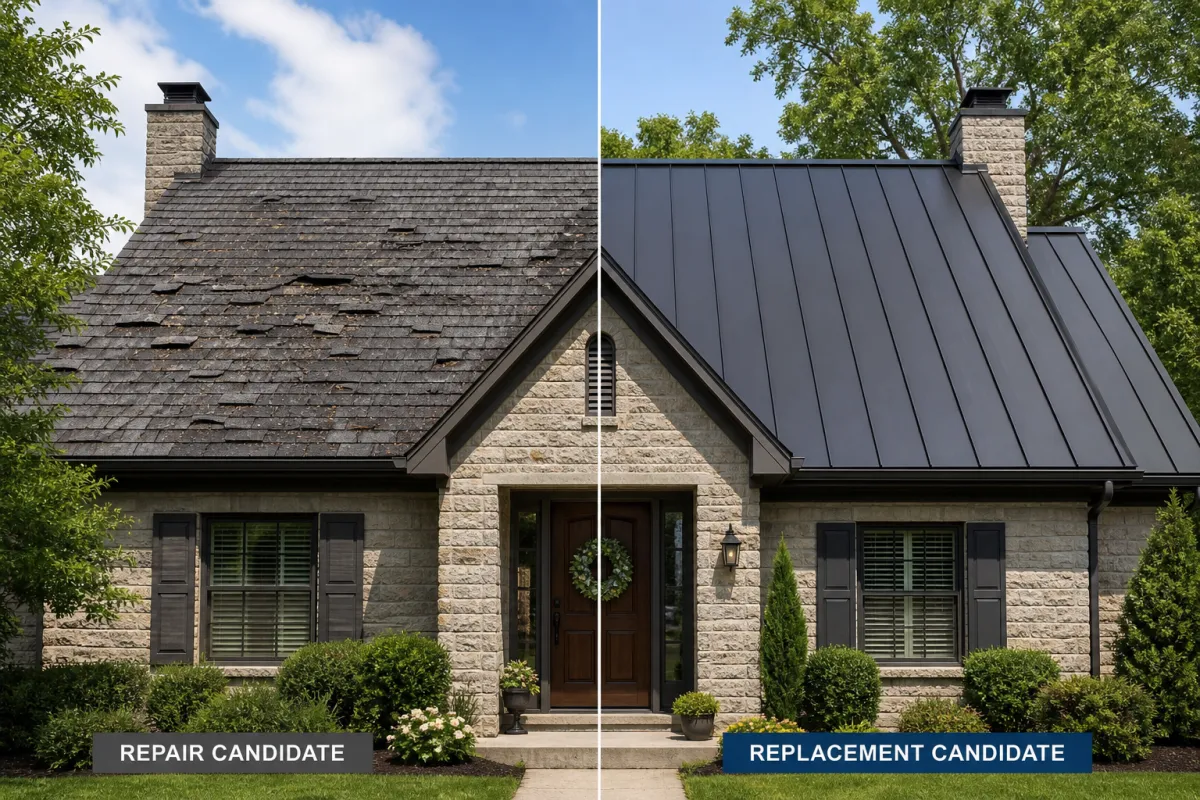
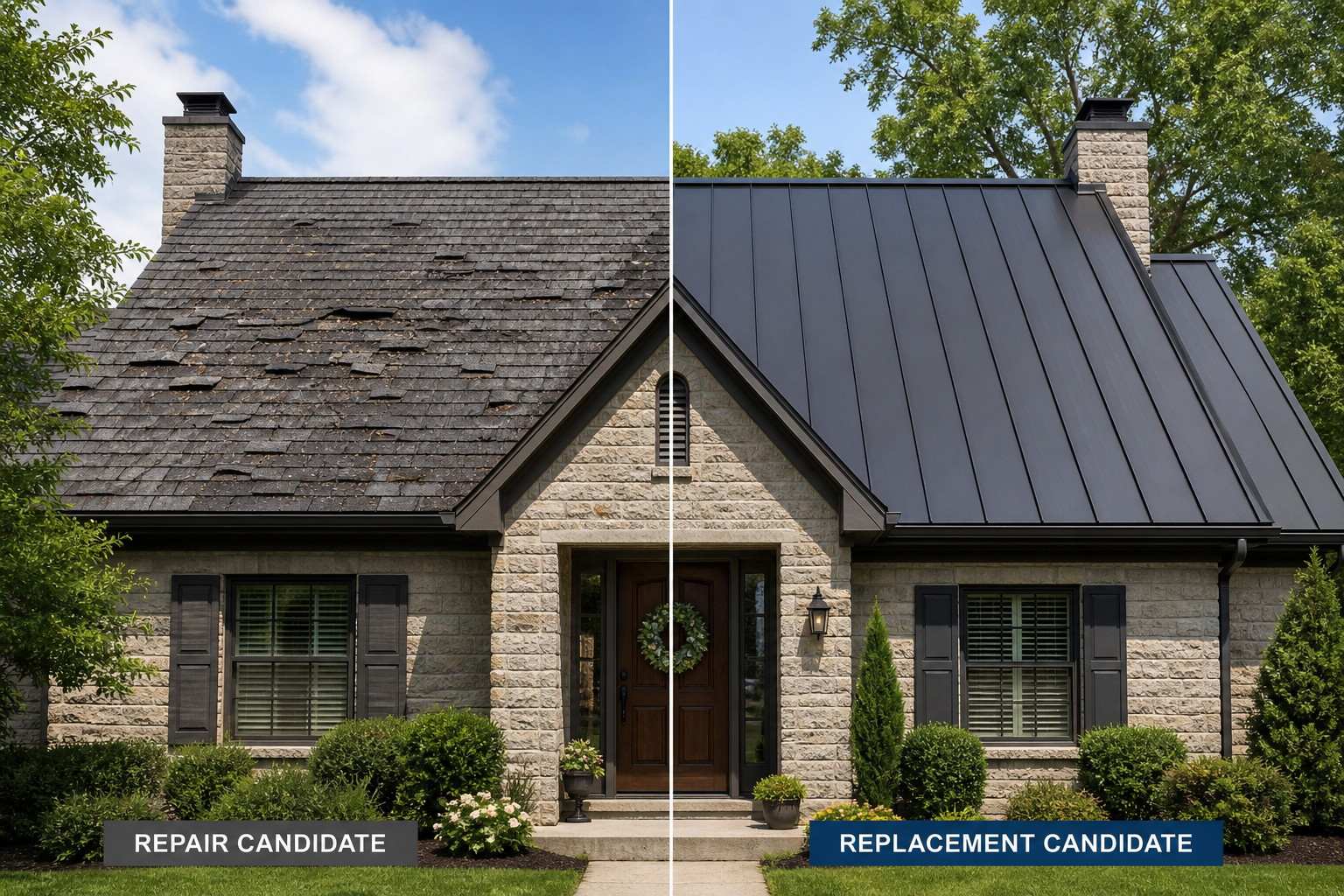
A repair is usually the right move for isolated damage on a roof that is less than 15 years old and still structurally sound.
A full replacement makes more financial sense when repair costs exceed 30% of replacement cost, or when your roof is approaching the end of its lifespan.
Local weather in the Finger Lakes region, including heavy snow loads and wet spring seasons, accelerates wear and should factor into every decision.
Shingle type, decking condition, ventilation, and flashing integrity are the four factors that matter most in the repair-vs-replacement assessment.
Always get a professional inspection before committing to either route. A free inspection from a trusted local contractor removes the guesswork entirely.
Introduction: The Question Every Homeowner Dreads
You spot a water stain on the ceiling after a hard rain. Or you notice a handful of shingles scattered across your lawn after a windstorm. Your stomach drops, and the first question that pops into your head is the same one every Geneva and Waterloo homeowner eventually asks:
Do I need to fix it, or replace the whole thing?
It is a loaded question, and contractors who give you a quick answer without a thorough inspection are not doing you any favors. The honest answer depends on your roof's age, the type and extent of the damage, the condition of what is underneath the shingles, and what you are planning to do with the home long term.
This guide walks you through each of those factors clearly, so you can walk into any conversation with a contractor knowing exactly what questions to ask and what answers to trust.
Why the Finger Lakes Climate Makes This Decision Harder
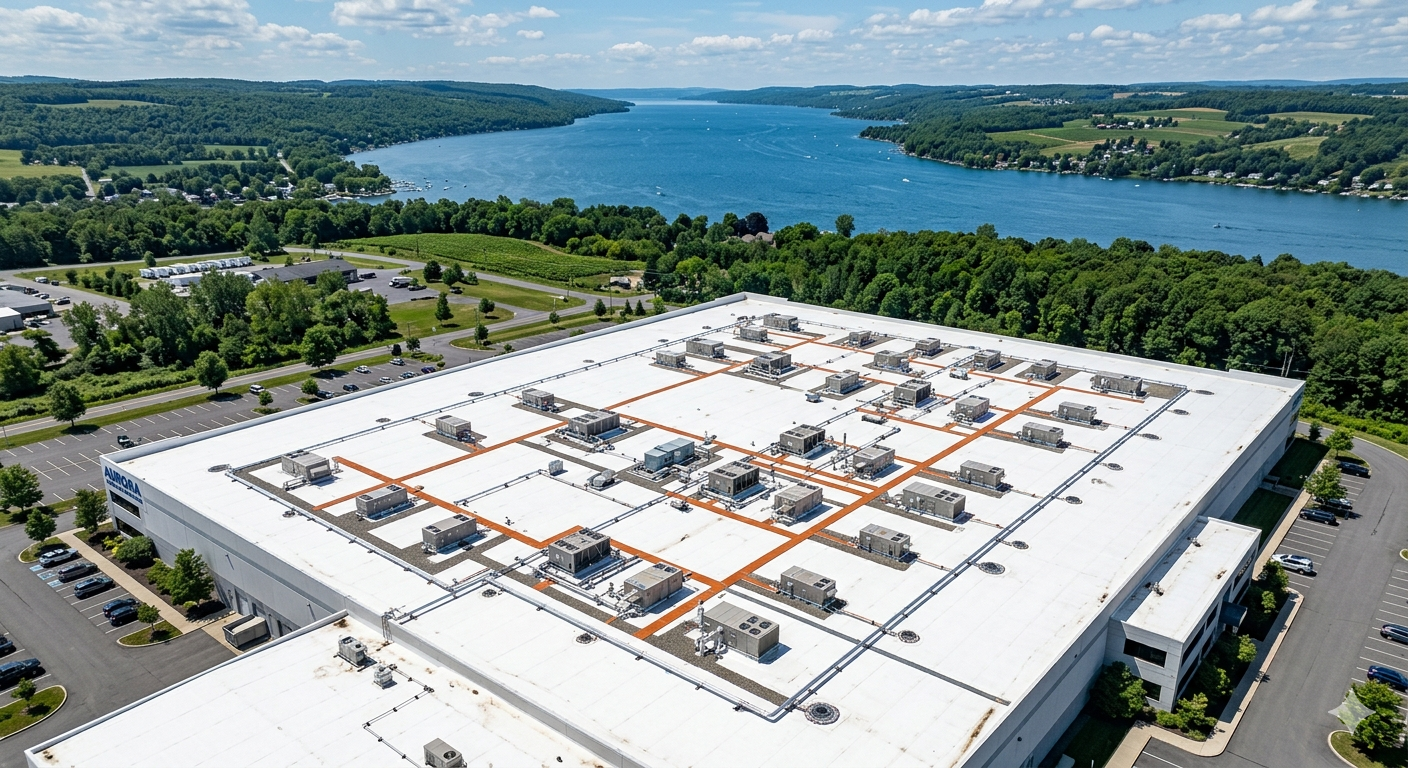
Geneva and Waterloo sit squarely in a climate that is hard on roofing materials. Winters bring heavy, wet snow that sits on roofs for weeks. Spring thaw cycles create repeated freeze-thaw stress that works moisture into any existing crack or gap. Summers can bring intense UV exposure followed by late-season storms.
This matters for the repair-vs-replacement decision because:
Snow load compresses aging shingles and accelerates granule loss, reducing the reflective and waterproofing properties of asphalt.
Ice dams form at the eave line when heat escapes through an under-insulated attic, and they can force water under shingles in ways that damage the decking below.
Freeze-thaw cycles expand and contract flashing around chimneys, skylights, and vents, making these common leak entry points for Finger Lakes homes specifically.
A roof that might last 25 years in a milder climate can realistically perform closer to 18 to 20 years in this region. That compressed timeline changes the math when you are deciding whether a repair is worth it.
The 5 Signs That Point Toward Repair
If your roof checks most of these boxes, targeted repair is likely the smarter, more cost-effective choice.
1. The Damage Is Isolated to One Area
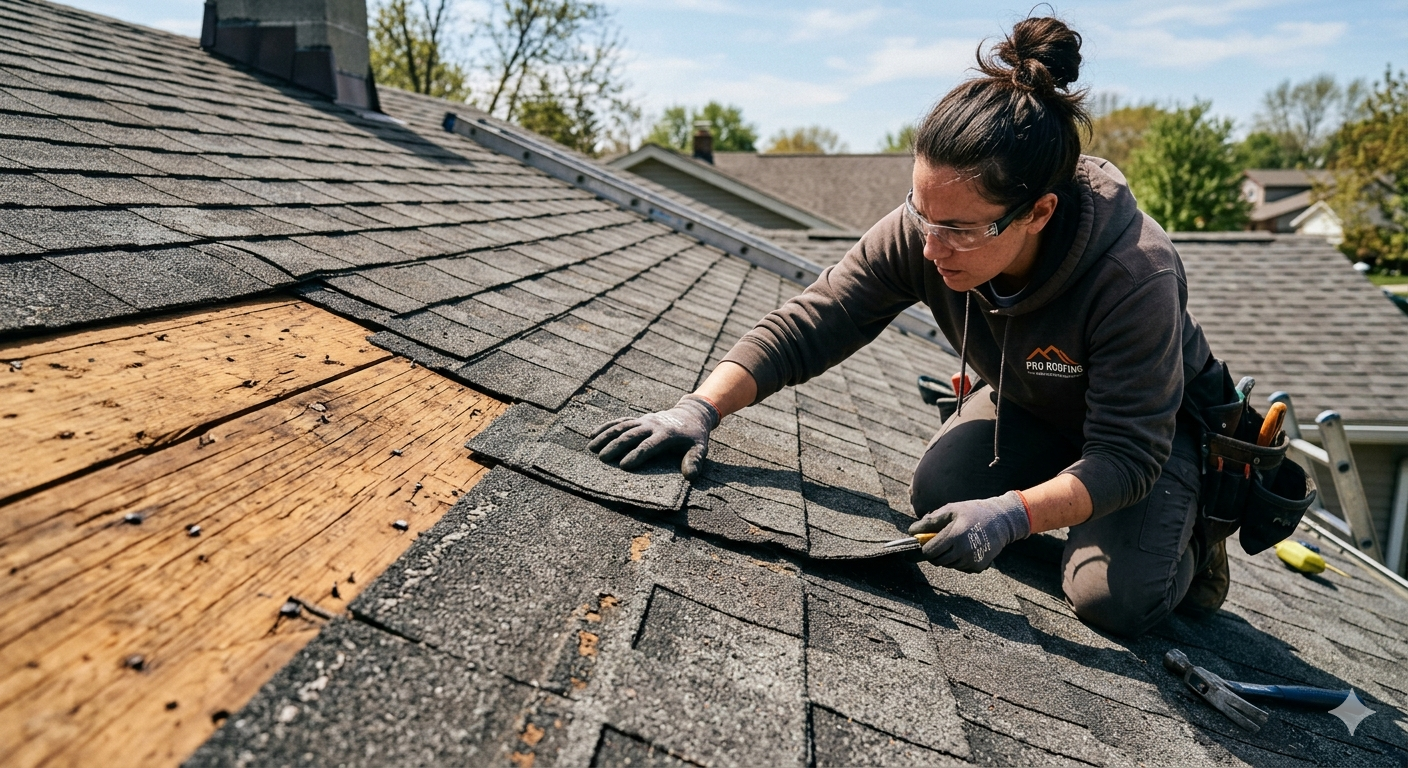
Wind lifts shingles unevenly. A falling branch causes localized impact damage. A flashing seal dries out around a single vent pipe. When damage is contained to a specific zone rather than spread across the whole surface, replacing only what is damaged is a sound strategy.
A competent roofer can match your existing shingles closely in most cases, and the structural integrity of the rest of the roof does not need to be disturbed.
2. Your Roof Is Less Than 15 Years Old
Most asphalt shingle roofs carry a rated lifespan of 20 to 30 years, though real-world performance in upstate New York tends to fall in the lower half of that range. If your roof is under 15 years old and has been maintained reasonably well, a repair extends its useful life without the cost of starting over.
The calculation shifts significantly once you pass the 15 to 18 year mark, because you may be paying for a repair that only postpones a replacement by a few years.
3. The Decking Is Dry and Solid
The decking, which is the plywood or OSB sheathing beneath your shingles, is the structural foundation of your roof system. If an inspector finds it dry, solid, and free of rot or soft spots, the roof still has a good foundation to work from.
If the decking is compromised, repairs become far more involved and the cost savings shrink quickly.
4. Less Than 30% of the Roof Surface Is Affected
A commonly cited industry benchmark is this: if the area requiring attention is less than 30% of the total roof surface, repair is almost always more economical. Once damage spreads beyond that threshold, the labor and material costs of piecemeal repair start to approach the cost of a full replacement, and replacement delivers a far better return.
5. You Plan to Sell Within the Next Few Years
A well-documented roof repair with quality materials is often sufficient for a home sale inspection if the rest of the roof is in good condition. Buyers and their inspectors are looking for remaining useful life, not perfection. If your roof has 8 to 10 solid years left after a targeted repair, that is a reasonable sell point.
The 5 Signs That Point Toward Full Replacement
These indicators suggest that putting more money into repairs is likely throwing good money after bad.
1. Your Roof Is 20 Years Old or More
Age is the most reliable predictor of what a roof has left to give. Once an asphalt shingle roof reaches 20 years in the Finger Lakes region, even if it looks passable from the ground, the underlayment is likely brittle, the granules are heavily depleted, and the shingles are losing their ability to shed water effectively.
At this stage, a repair resolves the symptom, not the underlying condition.
2. You Are Seeing Multiple, Recurring Leaks
One leak in a specific spot is a localized problem. Multiple leaks appearing in different locations, or the same leak returning after it has been repaired, is a systemic problem. It signals that the roof is failing broadly and that the next leak is only a matter of time regardless of how well any individual repair is done.
3. Shingles Are Curling, Cracking, or Missing in Quantity
Shingle curling (either cupping upward at the edges or clawing flat in the middle) is a sign of age-related deterioration and moisture imbalance. When this is happening across the whole roof, not just in one section, the shingles have reached the end of their functional life.
Missing shingles scattered across multiple sections after a single storm indicate that the adhesive strip has failed broadly, meaning more shingles will follow in the next wind event.
4. There Is Significant Granule Loss
Asphalt shingles shed granules naturally over time, but heavy granule loss, visible in your gutters or downspouts as a gritty buildup, means the protective UV layer is gone. Once that layer is depleted, the underlying asphalt becomes brittle rapidly. A roof losing granules across its entire surface is one or two seasons away from widespread failure.
5. The Decking or Structure Is Compromised
If an inspection reveals soft spots, rot, or water damage in the decking, the scope of work expands dramatically. Replacing rotted decking during a repair is possible, but if the damage is widespread, you are already performing most of the labor involved in a full replacement, and you will be laying new shingles over an old and failing system on the sections you do not address.
It makes more structural and financial sense to do the job completely.
The 30% Rule: A Practical Cost Framework
Here is a simple framework contractors use, and that you can use yourself, to cut through the noise:
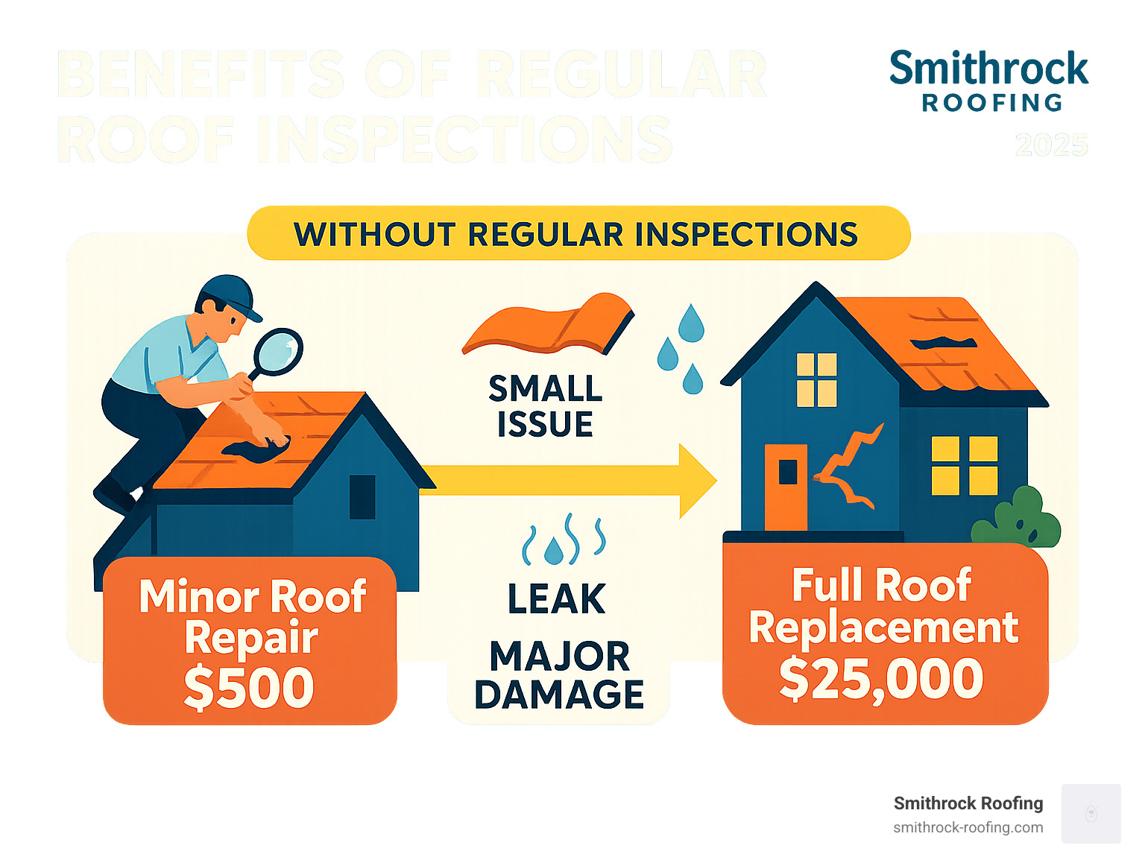
If the cost of repairs exceeds 30% of the cost of a full replacement, replace the roof.
Here is why that math matters. If a full replacement costs $12,000 and a repair quote comes in at $4,500 or more, you are spending nearly half the replacement cost on a solution that does not reset the clock or come with a warranty on the full system. The replacement, on the other hand, gives you a new system with a fresh manufacturer warranty, updated underlayment, and potentially a better material choice for your specific home.
Pair that with the age of your roof. A $3,500 repair on a 7-year-old roof with solid decking is a completely different proposition than a $3,500 repair on a 22-year-old roof where additional failures are highly likely within the next 18 months.
A Note on Material Upgrades: This Is Your Opportunity
If the assessment points toward replacement, it is worth stepping back and thinking about what you replace it with, not just how quickly you can restore what you had.
Homeowners in Geneva and Waterloo have options that go well beyond standard three-tab asphalt shingles. Standing seam metal roofing, for example, offers a significantly longer lifespan (often 40 to 70 years), superior performance under snow load, and excellent resistance to the freeze-thaw cycles common in this region. The higher upfront cost is offset by dramatically lower lifetime maintenance costs and the elimination of future replacement cycles for most homeowners.
Architectural shingles are another upgrade worth considering if you are replacing three-tab. They are heavier, more wind-resistant, and carry better warranty terms than basic shingles, often at a modest cost premium.
A replacement is not just a repair at scale. It is a chance to make a better decision for the next 25 to 40 years of your home's life.
What a Professional Inspection Actually Covers
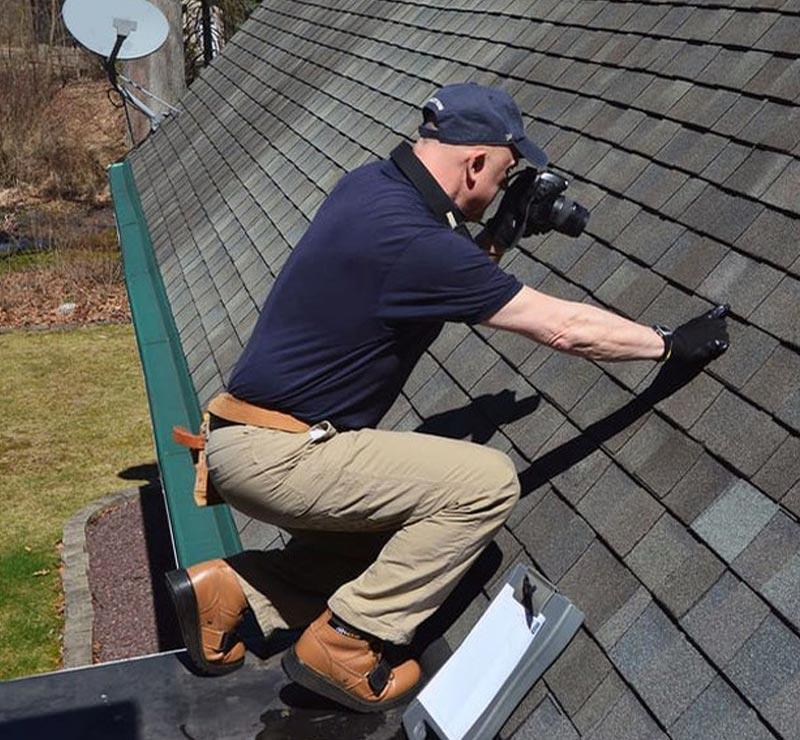
The repair-vs-replacement conversation should never happen before a proper inspection. Here is what a thorough inspector looks at, and what you should expect if you schedule a free inspection:
Shingle condition: Granule loss, curling, cracking, missing sections, and adhesion strip integrity
Flashing integrity: Seals around chimneys, vents, skylights, and valleys are the most common leak entry points
Decking condition: Checked from inside the attic as well as from the roof surface
Underlayment condition: The waterproofing layer beneath the shingles, which is often the first to fail on older roofs
Attic ventilation: Poor ventilation accelerates shingle deterioration from below and contributes to ice dam formation in winter
Gutter condition: Granule buildup and proper drainage are both indicators of shingle health
This is not a checklist you can reliably run yourself from the ground with binoculars. A professional climbs the roof, checks the attic, and gives you documented findings you can use to make an informed decision or to file an insurance claim if storm damage is involved.
Roof Repair in Geneva and Waterloo: What LS Roofing Handles
LS Roofing's repair services cover the full range of issues that Finger Lakes homeowners typically face: leak repairs, missing shingle replacement, damaged flashing restoration, and emergency repairs after storm events. The team understands how urgently these issues need to be addressed, particularly heading into a Finger Lakes winter when even a small opening in your roof envelope can become a serious moisture problem within a single season.
For homes where a repair makes sense, the goal is not just to patch the problem but to restore the full integrity of that section of the roof using materials matched as closely as possible to the existing system.
Full Replacement: What to Expect From the Process
A full roof replacement typically follows this sequence:
Inspection and estimate: A detailed assessment confirms the scope and a written quote is provided.
Material selection: Shingle type, color, and manufacturer are chosen based on your home's architecture, HOA requirements if applicable, and your budget.
Tear-off: Existing shingles and underlayment are removed down to the decking.
Decking inspection and repair: Any soft spots or rot found during tear-off are addressed before anything new goes on.
Underlayment installation: A new waterproofing layer goes down before shingles.
Shingle or metal panel installation: The new roofing material is installed according to manufacturer specifications to preserve warranty coverage.
Flashing, ridge, and ventilation: All penetrations are sealed and ventilation components are updated as needed.
Cleanup and final walkthrough: Debris is removed and the homeowner reviews the completed work.
For homeowners in Geneva and Waterloo considering a new roof installation or full replacement, LS Roofing handles every step of this process and has the owner personally involved in answering questions throughout.
Quick Decision Reference: Repair or Replace?
Situation Likely Answer Roof is under 15 years old, isolated damage Repair Damage covers less than 30% of the surface Repair Single leak, decking is solid Repair Roof is 20+ years old Replace Multiple leaks in different areas Replace Repair cost is 30%+ of replacement cost Replace Curling or cracking across the whole surface Replace Rotted or soft decking Replace Selling the home in 5+ years Replace
The Bottom Line
There is no universal answer to the repair-vs-replacement question. But there is a clear process for arriving at the right one: know your roof's age, get eyes on the decking condition, understand the scope of the damage, and run the cost comparison against replacement before committing to either path.
For Geneva and Waterloo homeowners, the local climate is a meaningful variable in this decision. A roof that is already aging is one hard winter away from becoming a much more expensive problem.
The most valuable first step costs you nothing. Schedule a free inspection with a contractor you trust, get the findings in writing, and make your decision with real information in hand rather than a guess from the ground.