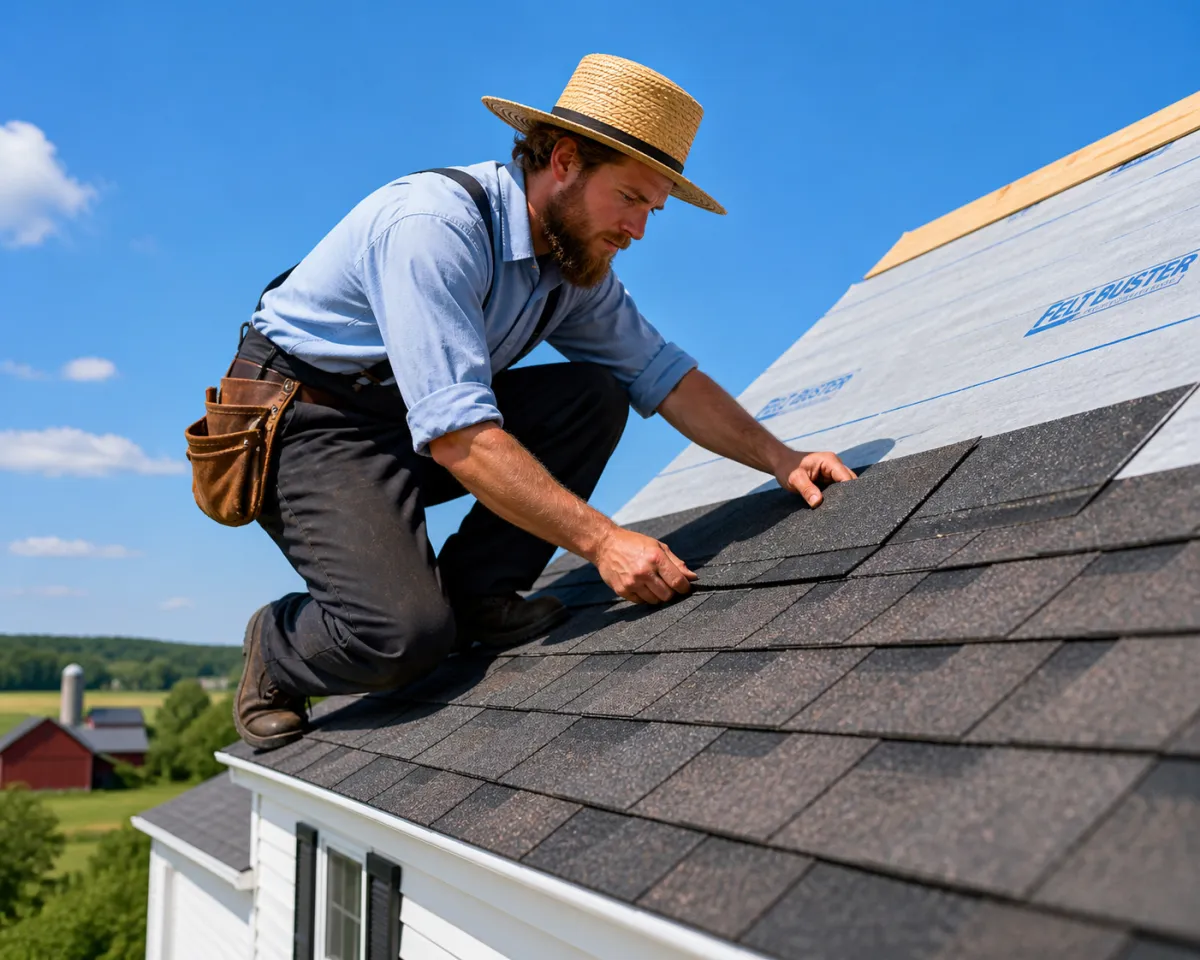
Why Amish Craftsmanship Produces a Better Roof And What It Actually Means for Your Home
Key Takeaways
Amish roofing is built on a trade tradition passed down through generations, prioritizing precision over speed.
The work ethic behind Amish craftsmanship means fewer shortcuts, tighter installations, and more thorough inspections.
For homeowners in the Finger Lakes region of New York, this translates to roofs that handle harsh winters, heavy snow loads, and unpredictable spring weather far better than standard installations.
LS Roofing LLC combines this tradition with modern materials and techniques to deliver roofs that are both beautiful and built to last.
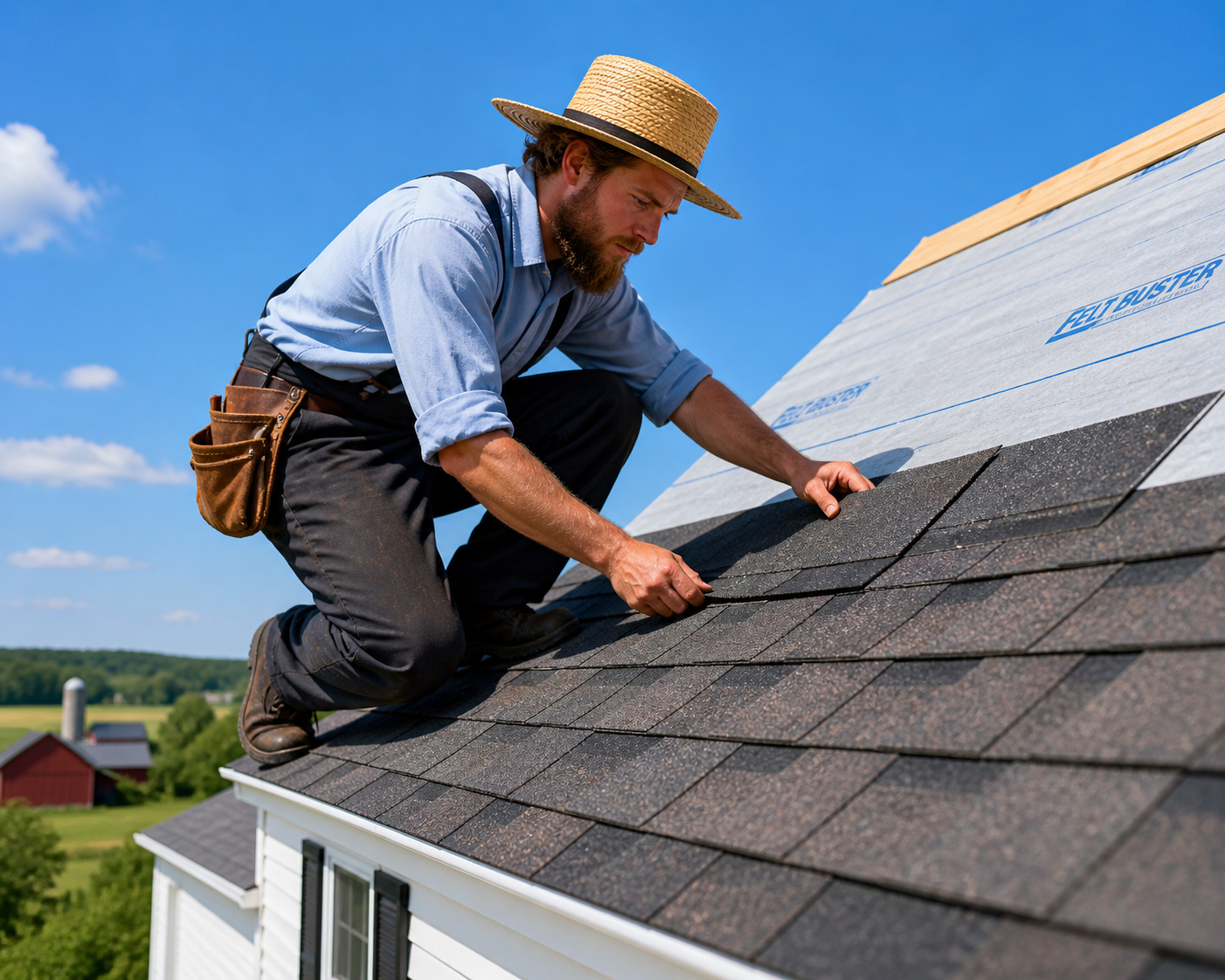
The Question Most Homeowners Never Think to Ask
When you hire a roofing contractor, you are probably focused on price, timeline, and the brand name on the shingles. What you are less likely to ask is: How was the person installing that roof trained?
That question turns out to matter more than almost anything else.
A roof is only as good as the hands that built it. The best materials in the world underperform when they are installed carelessly — with gaps in the underlayment, improper nail placement, or flashing that was cut to save time rather than to seal properly.
Amish craftsmanship addresses this problem at its root.
What "Amish Craftsmanship" Actually Means
The term gets used a lot in marketing, but it has real substance behind it. Here is what it refers to in practice.
Apprenticeship-Based Training
Amish tradespeople learn their craft through direct, hands-on mentorship — not a weekend certification course. A young roofer works alongside seasoned craftsmen for years before taking on a project independently. That kind of apprenticeship produces a level of attention to detail that classroom training rarely replicates.
Every step of a roofing installation — from deck preparation to ridge cap placement — is done with the same care because that is simply how the work was taught.
Pride of Work as a Core Value
In Amish culture, the quality of your work is a direct reflection of your character. There is no concept of "good enough for a job this size." A repair on a 1,200-square-foot ranch house receives the same deliberate attention as a full replacement on a large colonial.
This means you are far less likely to encounter the small, compounding errors that cause premature roof failure: improperly seated shingles, inadequate attic ventilation, or flashing that looks fine from the ground but leaks the first time it rains hard.
Community Accountability
Amish workers operate within tight-knit communities where reputation is everything. Cutting corners on a job does not just affect a customer review — it affects standing within the community. That accountability loop produces consistently higher-quality output over time.
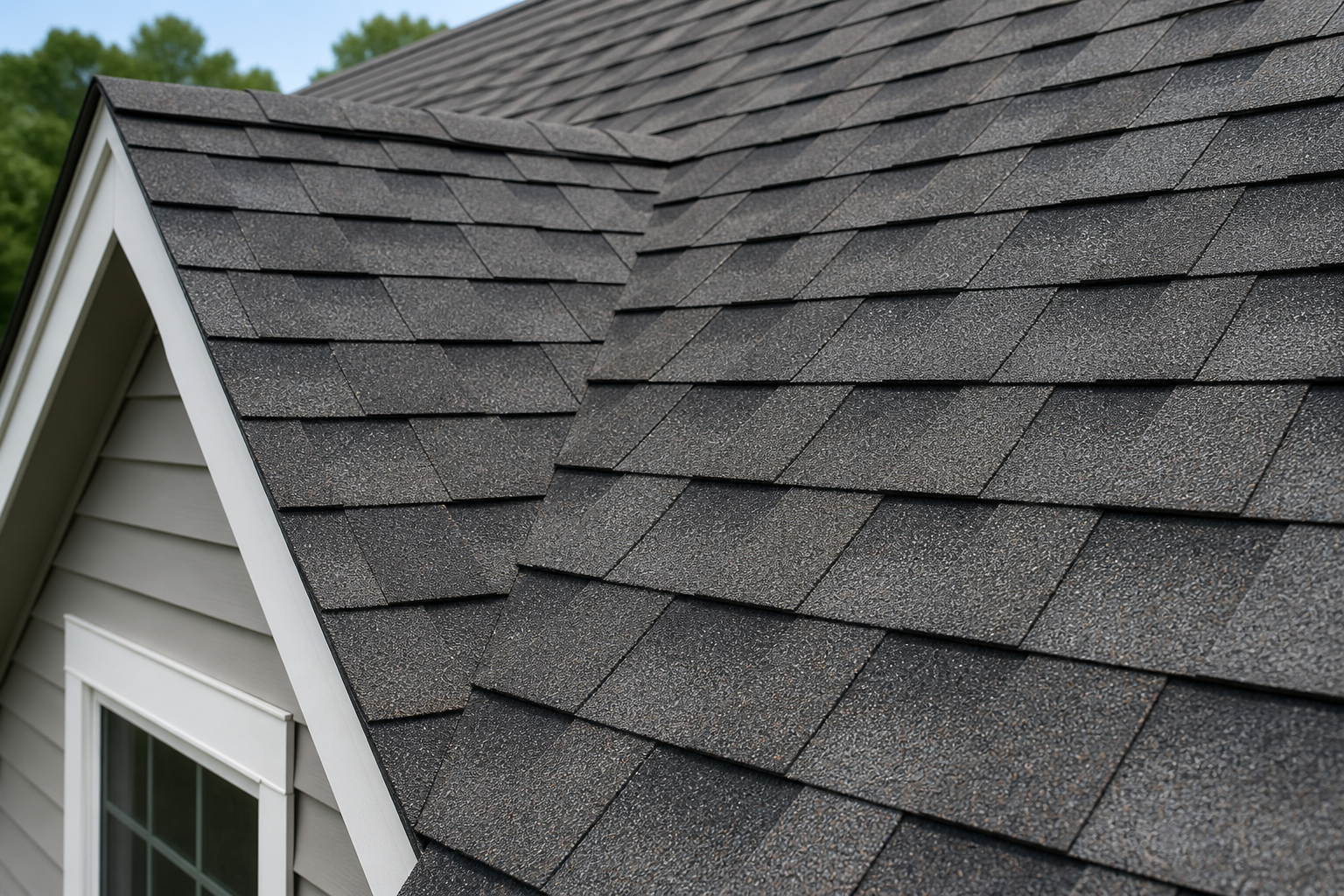
The Practical Differences You Will See on Your Roof
Theory is one thing. Here is what Amish-rooted craftsmanship actually looks like during and after installation.
Deck preparation. Before a single shingle goes down, the roof deck is inspected thoroughly. Any soft spots, rot, or compromised sheathing are addressed rather than covered up.
Underlayment installation. Underlayment is your roof's last line of defense against water intrusion. Careful craftsmen overlap rows correctly, fasten edges properly, and never leave gaps around penetrations like vents or chimneys.
Nail placement. This is one of the most overlooked factors in shingle performance. Each shingle has a nail line — a specific zone where fasteners must land to hold correctly under wind uplift. Rushed installations miss this line regularly. Careful ones do not.
Flashing details. Valleys, chimneys, skylights, and pipe boots are where most roofs eventually fail. These transitions require precise cuts, correct overlap, and proper sealant application. They take more time to do right. Amish-trained craftsmen take that time.
Cleanup and inspection. A well-done installation is followed by a thorough walkthrough and clean site. This is not just aesthetics — it is an indication of how seriously the crew takes every phase of the job.
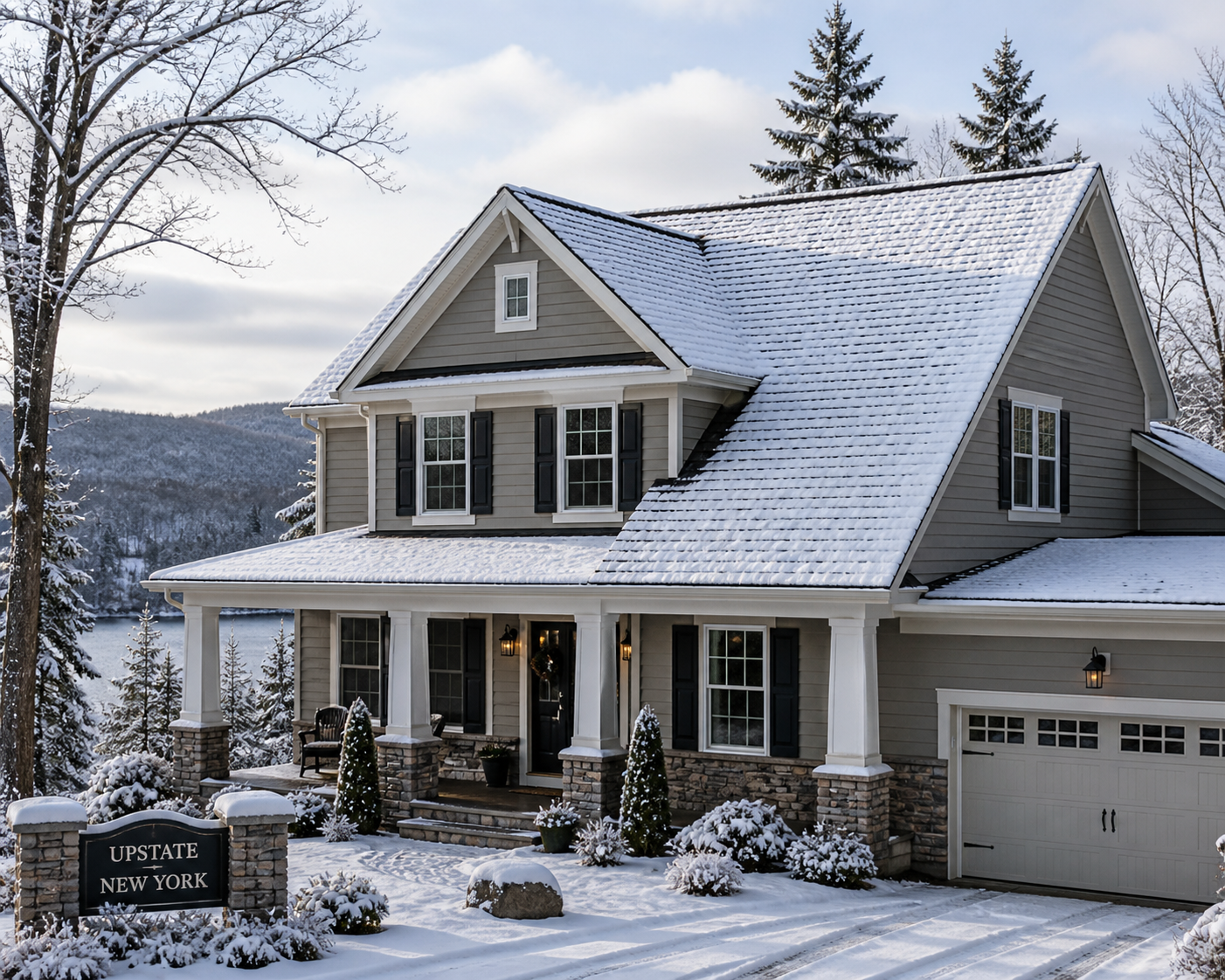
Why This Matters More in Upstate New York
The Finger Lakes region is genuinely hard on roofs. Homeowners here deal with:
Heavy snow loads that test the structural integrity of every fastener
Freeze-thaw cycles that exploit any poorly sealed seam or flashing gap
High winds during spring storms that find and lift improperly nailed shingles
Ice dams that form when heat escapes unevenly through an inadequately ventilated roof
A roof installed with average care in a mild climate might last 20 years without incident. That same roof in Romulus, Seneca Falls, or Auburn, NY, might start showing problems in 8 to 10 years if the installation was rushed.
Amish-rooted craftsmanship combined with modern materials and proper ventilation design changes that equation significantly.
How LS Roofing Brings These Two Worlds Together
LS Roofing LLC was founded in Romulus, New York, as a local, family, and Amish-owned business. The goal from the start was straightforward: bring the standards of Amish trade craftsmanship to every roofing project, while using the best modern materials and techniques available.
That combination matters. Traditional craftsmanship without modern materials can leave homeowners with beautiful workmanship but outdated performance. Modern materials without careful installation underperform their specs. Together, they produce roofs that last.
Residential Roofing Services
LS Roofing's residential roofing services cover the full range of what homeowners need — new installations, full replacements, repairs, and routine maintenance. Every project is approached with the same standard of care regardless of scope.
Whether your home is near Cayuga Lake, in the heart of Auburn, or anywhere within the 120-mile service radius, the same craftsmen and the same standards show up.
Residential Roof Repair
Sometimes a full replacement is not necessary. A well-executed residential roof repair can add years to an existing roof if the underlying structure is sound and the repair is done properly.
This is an area where craftsmanship makes the biggest difference. A repair done right blends seamlessly with the existing roof and addresses the underlying cause of the problem. A repair done poorly fixes the symptom and leaves the cause in place.
New Roof Installation
For homes that need a new roof, LS Roofing treats the project as an investment in the long-term value of the property. That means material selection based on the home's architecture and climate exposure, proper deck preparation, and installation that meets or exceeds manufacturer specs — which is essential for warranty validity.
A Note on Materials: Craftsmanship Is Not a Substitute
Good installation cannot save a bad product. Amish-rooted craftsmanship works best when paired with premium materials selected for the specific demands of the installation.
For upstate New York homes, that typically means:
Architectural (dimensional) shingles rated for high wind and impact resistance
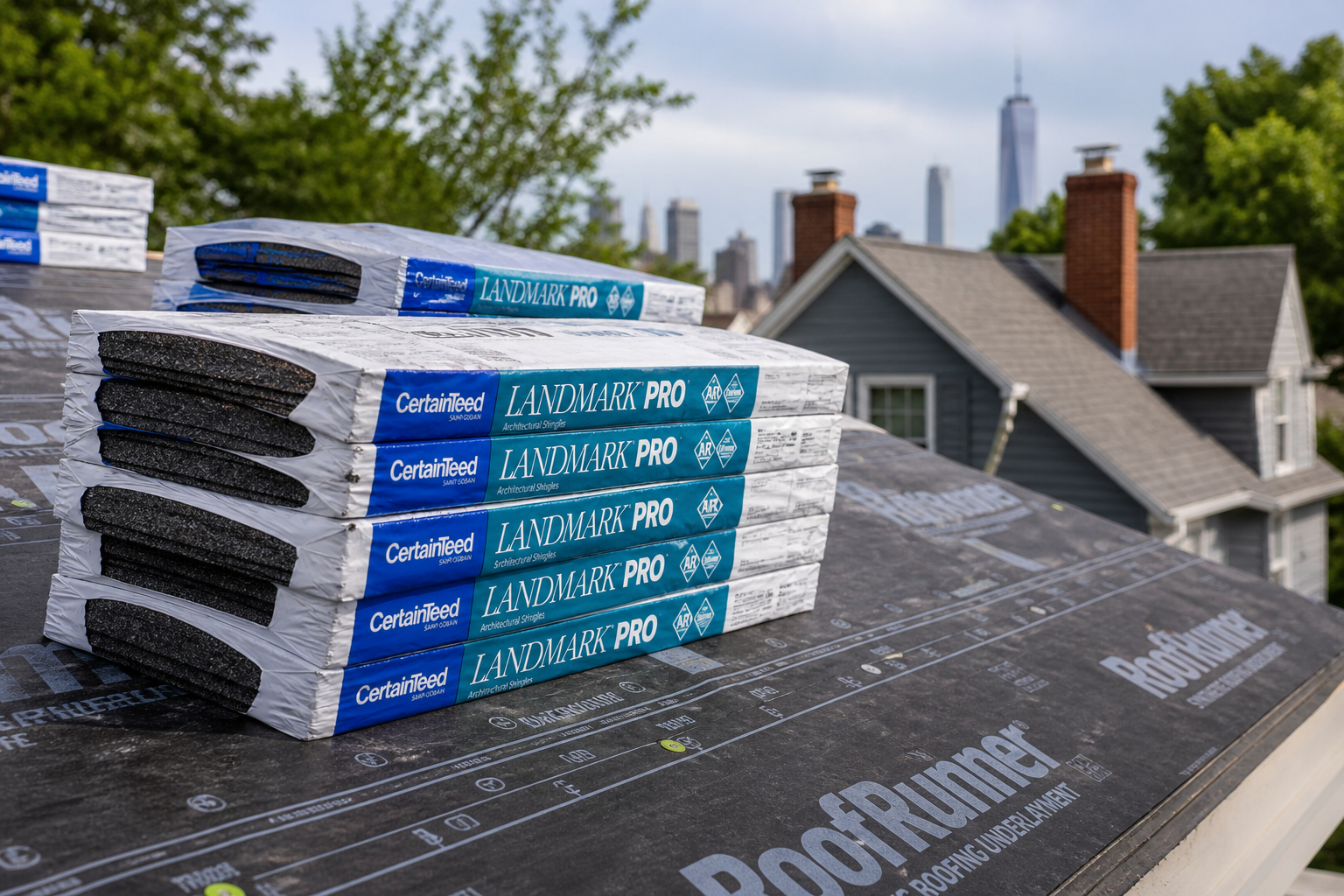
Synthetic or fiberglass underlayment that resists moisture better than traditional felt
Ice and water shield along eaves, valleys, and penetrations — critical in freeze-thaw climates
Proper ridge and soffit ventilation to reduce attic heat buildup and ice dam formation
LS Roofing specifies materials based on each home's conditions and the customer's goals, not based on what is easiest to source or fastest to install.
What to Ask Any Roofer Before You Hire Them
Regardless of who you hire, these questions separate contractors who take craftsmanship seriously from those who do not.
How are your installers trained? Look for experienced, hands-on training rather than just licensing.
Will you be using subcontractors? Many large roofing companies subcontract the actual installation. Ask who will physically be on your roof.
Can I see examples of your flashing work? Flashing is the best indicator of installation quality. Ask to see photos or references.
What underlayment do you use, and where do you install ice and water shield? Vague answers here are a red flag.
How do you handle deck inspection and repair? A good contractor assesses the deck before committing to a material price.
The Bottom Line
A roof's lifespan is not determined solely by what brand of shingle is on it. It is determined by how well every component was selected, prepared, and installed — and by the standard of care the crew brought to the job site.
Amish craftsmanship represents a specific, traceable commitment to that standard of care. It is not a marketing term. It is a way of approaching work that produces measurably better results over time.
For homeowners in Romulus, Seneca Falls, Auburn, Ithaca, Rochester, Syracuse, and across the Finger Lakes region, LS Roofing LLC brings that commitment to every project — backed by modern materials, local knowledge, and a genuine accountability to the communities they serve.
Ready to see the difference for yourself? Contact LS Roofing LLC for a free roof inspection and estimate.