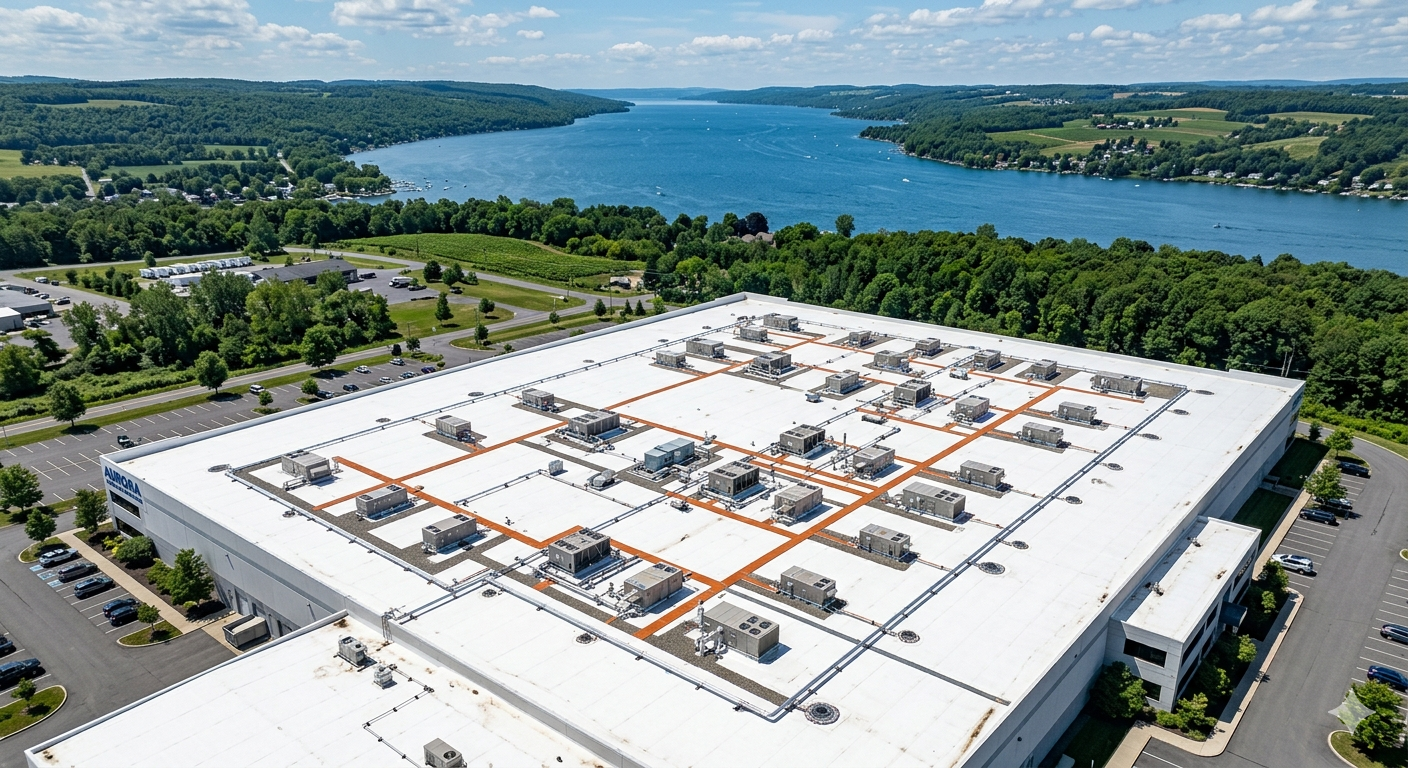
Roof Problems Finger Lakes NY | Common Failure Reasons - LS Roofing LLC
Why Your Finger Lakes Roof Might Be Failing You

When we pull up to inspect a failing roof in the Finger Lakes region, we already know what we're going to find.
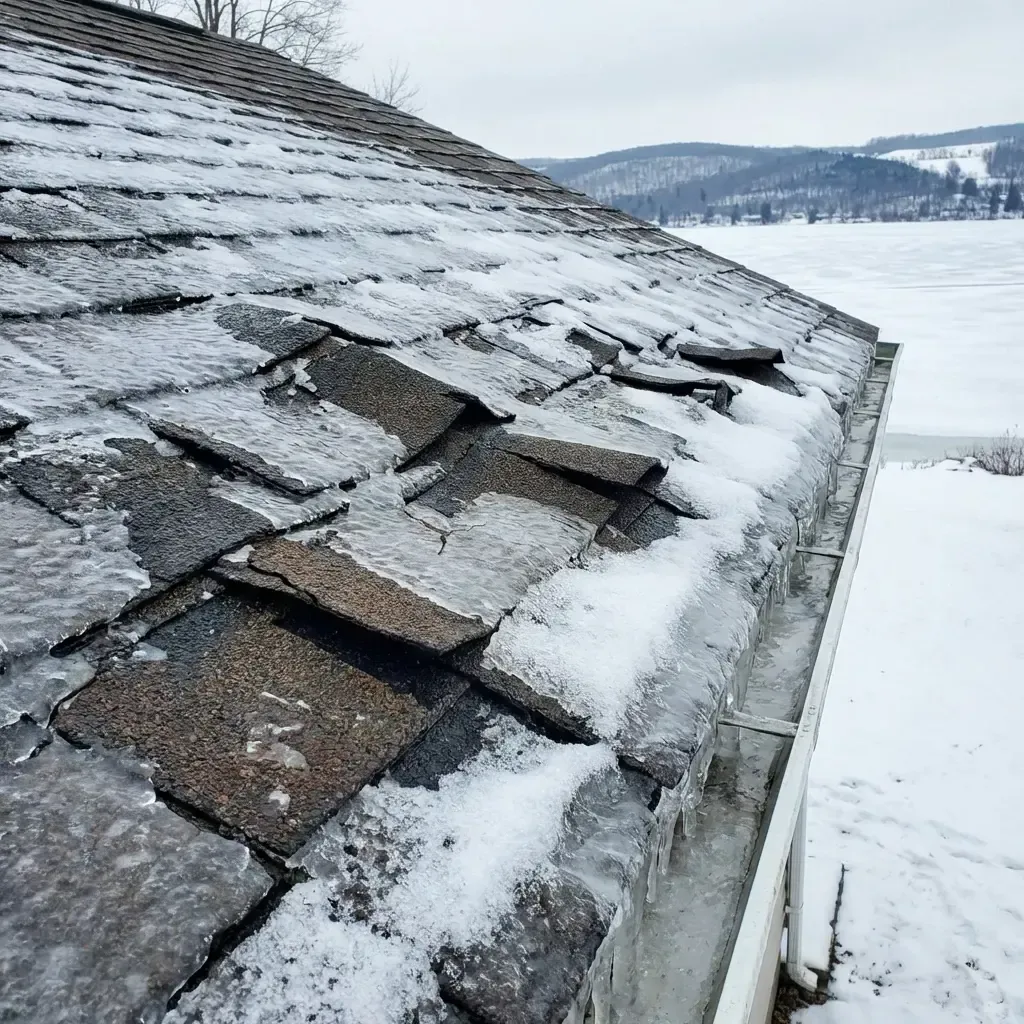
The patterns are unmistakable. Ice dams thick as your forearm blocking the eaves. Shingles curled like potato chips on the south-facing slopes. Water stains spreading across ceilings. Attic insulation soaked through.
These aren't random failures. They're the predictable result of a disconnect between what manufacturers promise in their labs and what actually happens on roofs around Seneca and Cayuga Lakes.
The Lab Test Problem
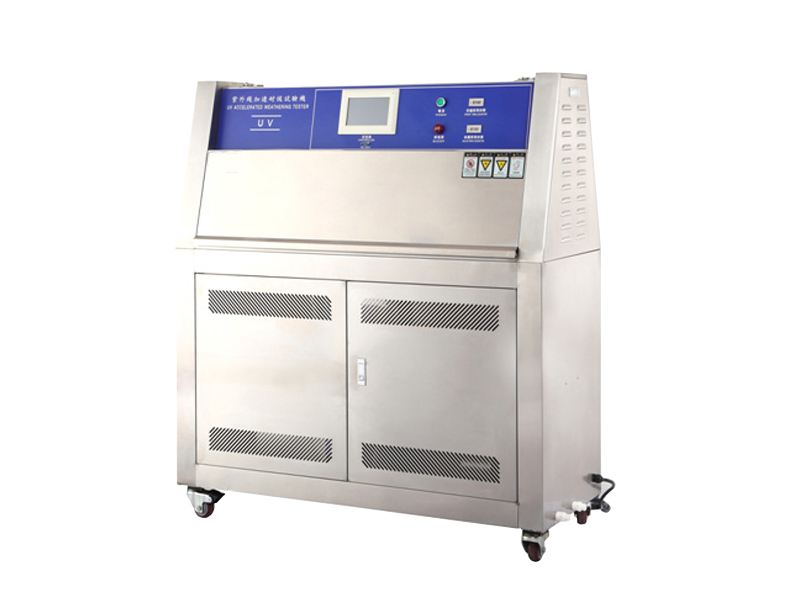
Manufacturers test roofing materials in controlled chambers using UV lamps, heat cycles, and wind tunnels designed to simulate "average" conditions.
But the Finger Lakes region isn't average.
We experience 40-60 freeze-thaw cycles every winter. Each cycle forces water trapped in roofing materials to expand by roughly 9 percent in volume, creating internal stress that pries shingles apart and forces tiny cracks to form in flashing and membranes.
Lake-effect snow adds crushing weight that standard tests don't fully replicate. High humidity swings and intense seasonal shifts accelerate degradation in ways that controlled chambers simply can't predict.
The result? Roofs that promise 25-30 years often fail at 12-18 years in this region.
The Warranty Trap
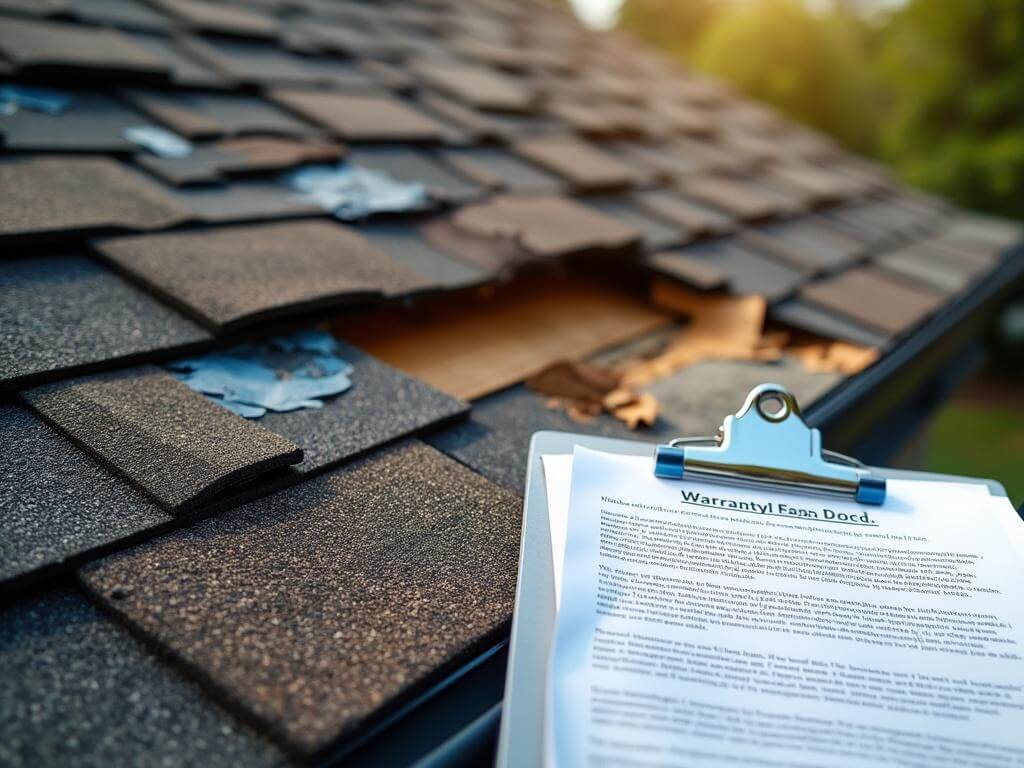
Here's what most homeowners don't realize: warranty numbers on shingle packages represent the manufacturer's warranty period, not real-world performance guarantees.
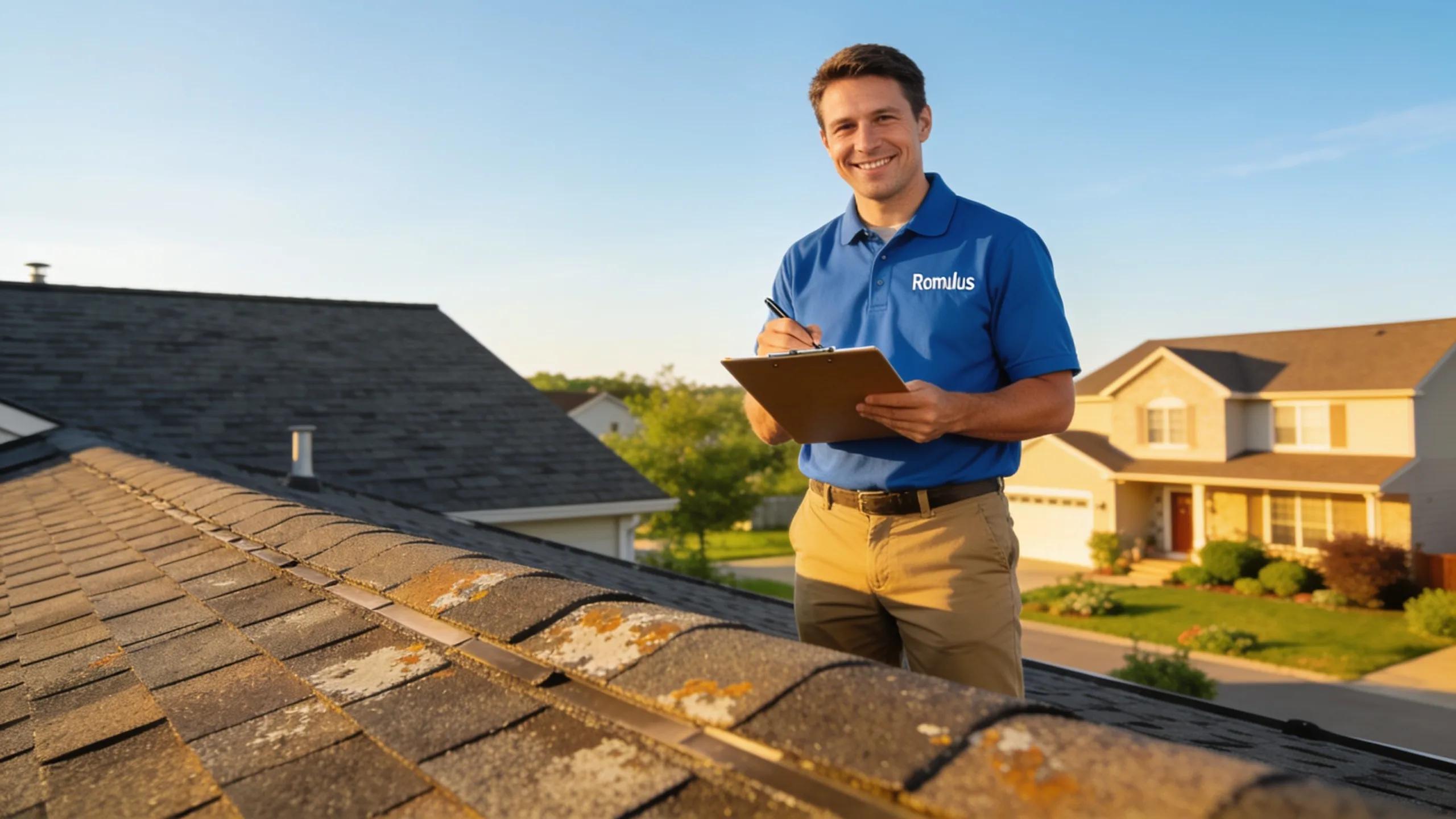
We've seen this play out dozens of times. A homeowner in Watkins Glen had a roof that was only 12 years old - standard three-tab asphalt shingles from a big-name manufacturer promising 25 years. The shingles looked like they'd been through a war zone: curled up from intense UV and heat buildup, heavy granule loss exposing the fiberglass mat underneath, widespread cracking that let water seep in and cause deck rot.
When the owner filed a warranty claim after a bad winter storm peeled off sections, the manufacturer denied it flat-out.
Their reason? "Extreme environmental factors" like our region's high freeze-thaw cycles and lake-effect moisture that their lab tests didn't fully replicate.
The homeowner paid $8,500 out of pocket for partial replacement.
This isn't an isolated case. Industry data shows that over 60% of warranty claims are denied due to homeowner errors or environmental factors. Manufacturers routinely cite regional conditions their testing didn't account for, leaving homeowners stuck with repair bills between $5,000 to $15,000 when materials fail prematurely.
What We See in the Field
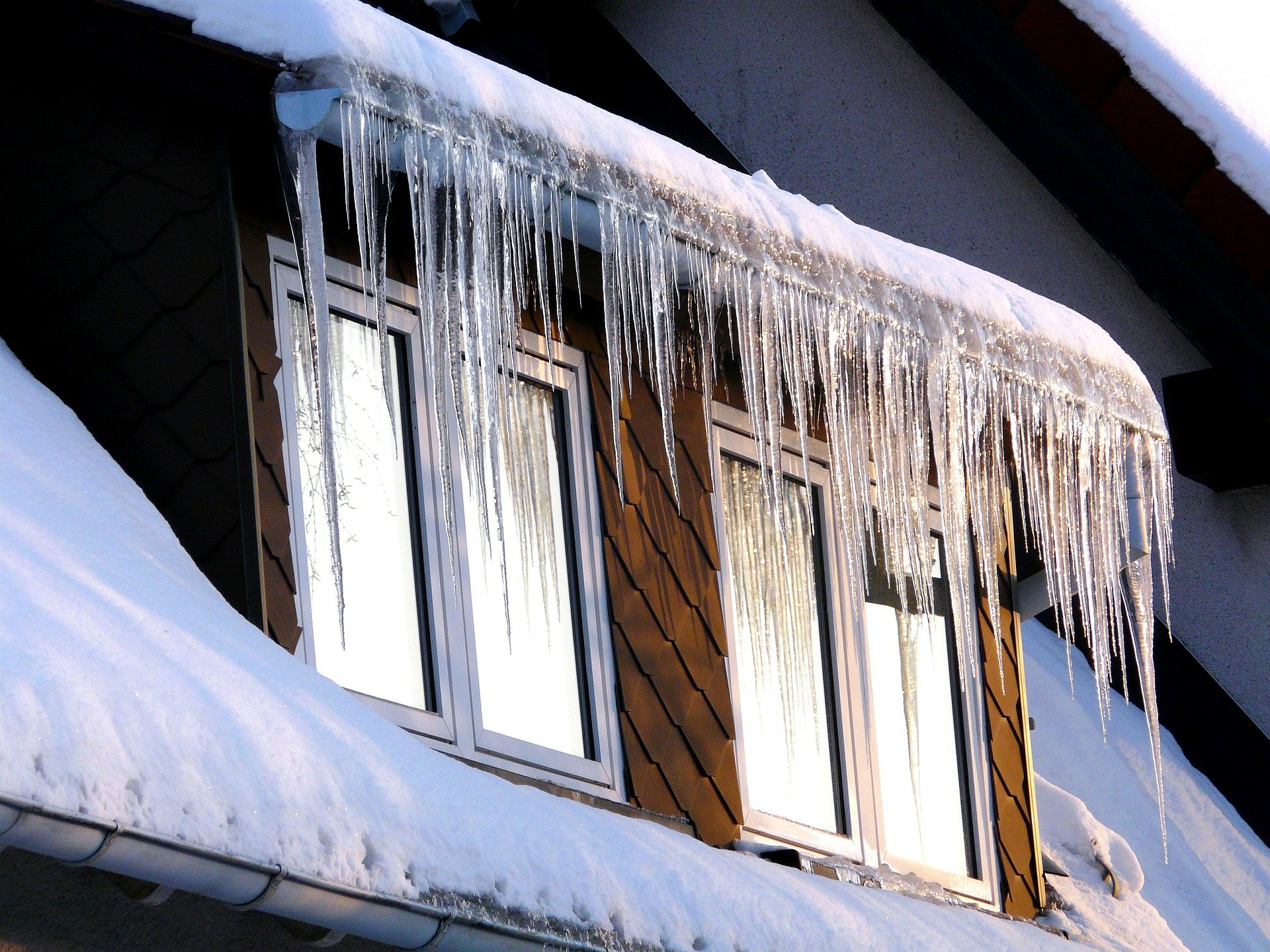
The failure patterns in the Finger Lakes are consistent and predictable.
Ice dam formation tops the list. Thick ice ridges and huge icicles along the eaves block meltwater, forcing it to back up under shingles. This causes widespread interior leaks with dark water stains spreading across ceilings, dripping into walls, soaking attic insulation, and kickstarting mold growth.
It's a clear sign of inadequate ventilation, insufficient insulation, or missing proper ice-and-water shield barriers. Poor attic ventilation causes more warranty denials than any other issue, yet it's often overlooked or underexplained during roof replacements.
Shingle degradation shows up fast. We see extensive curling, cracking, splitting, and bald spots from heavy granule loss, particularly on south- and west-facing exposures where UV rays combine with repeated expansion-contraction cycles.
Industry data confirms what we observe: standard three-tab asphalt shingles typically last 15 to 20 years, while architectural shingles last 25 to 30 years. But in storm-prone areas with freeze-thaw cycles, roof longevity often skews shorter, with materials beginning to look weathered after just 5-7 years.
When we peel back layers, we often find rotted, delaminated, or softened plywood decking from persistent moisture wicking through failed flashing, poor underlayment, or gaps that couldn't seal against the freeze expansion's prying force.
The Real Cost Calculation
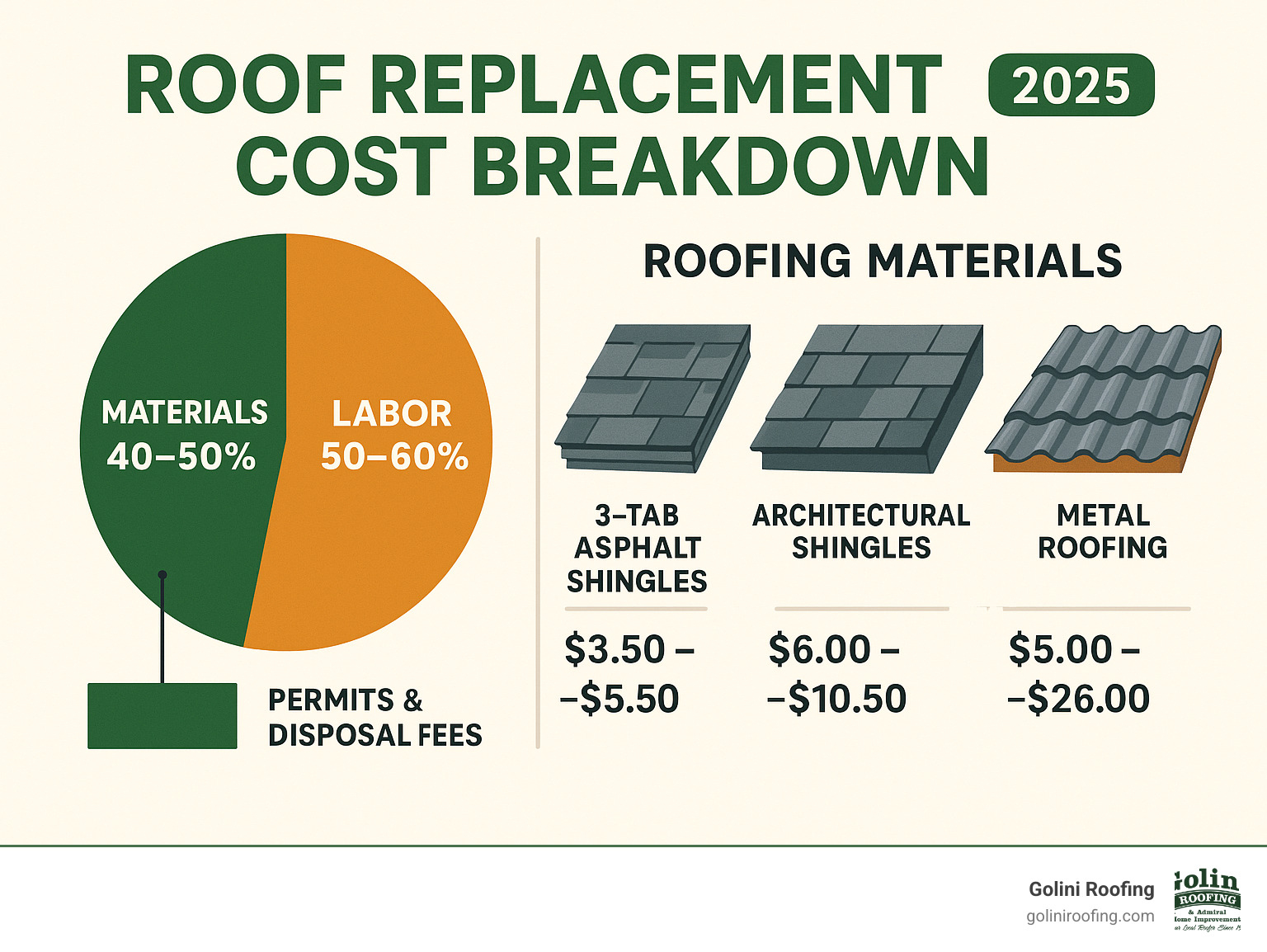
Most homeowners focus on the upfront installation cost. That's a mistake.
The real question is: what does this roof cost per year over its actual lifespan?
Let's run the numbers for a typical Finger Lakes home over 50 years.
Asphalt shingle scenario: First installation costs $11,000. The roof fails at year 18. Second installation (inflation-adjusted) costs $13,000. Total investment: $24,000 for two roofs over 50 years, plus maintenance, repairs, and the hassle of two full replacements.
Standing seam metal scenario: Initial installation costs $24,000. The roof lasts 50+ years with minimal maintenance. Total investment: $24,000 for one roof over 50 years.
Same total cost. Dramatically different outcomes.
Metal roofs last 2-3 times longer than shingle roofs. Standing seam metal roofs last a minimum of 30 years and up to 50 years in the right conditions. Some premium systems exceed 100 years, meaning even the best asphalt shingles will need replacement at least twice over the same period.
The Testing Standards Gap
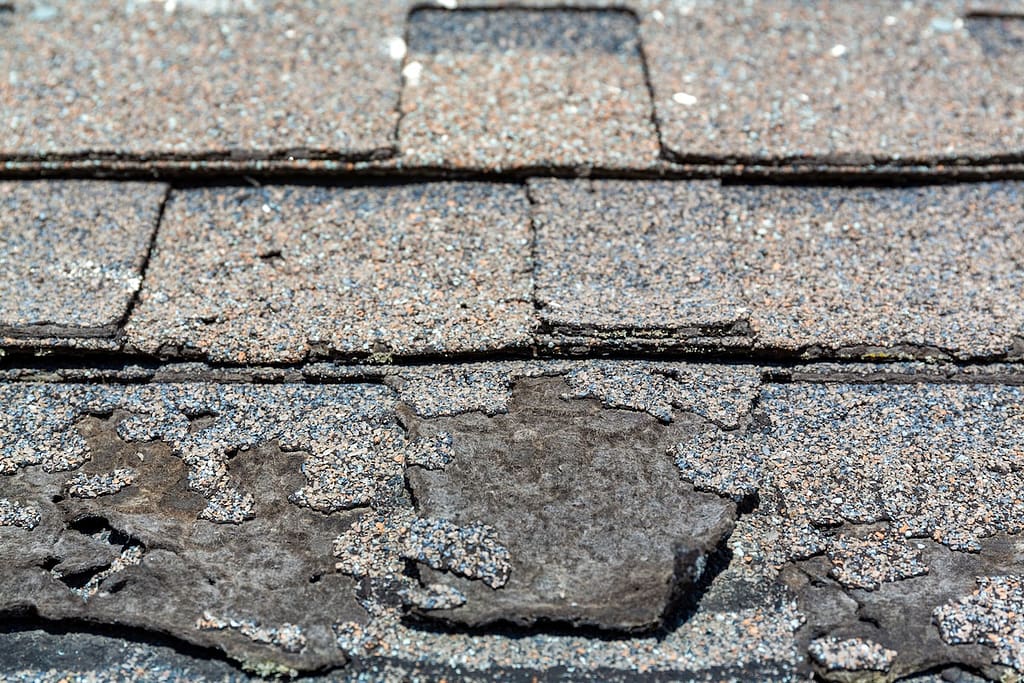
When we review our callback logs and warranty claim data from installations around Seneca and Cayuga Lakes, the pattern is clear: labs use accelerated weathering simulations that mimic "average" conditions, but they fall short on replicating the extreme abuse this region delivers.
We've seen callbacks spike around year 10-15 for granule loss, curling, and leaks in standard asphalt shingles that held up fine in milder test scenarios. The combination of humidity, UV exposure on sunny slopes, and poor ventilation in older homes accelerates degradation way faster than controlled chambers predict.
Warranty claims get denied or prorated heavily because manufacturers point to "environmental factors" not covered in full—like our region's thermal fatigue that isn't fully stress-tested in their facilities.
Homeowners end up footing bills for early failures that could've been foreseen with more realistic, region-specific trials.
The Ventilation Factor

Here's something most contractors won't tell you: inadequate ventilation voids more warranties than almost anything else.
Manufacturers typically require 1 square foot of ventilation per 150-300 square feet of attic space. Poor attic ventilation causes premature shingle aging, warping, mold growth, and ice dams—all considered preventable damage.
Yet ventilation is often overlooked or underexplained during roof replacements, especially by contractors focused on fast turnaround times.
We've seen this firsthand. A roof fails prematurely. The homeowner files a claim. The manufacturer inspects and finds inadequate ventilation. Claim denied.
The homeowner never knew proper ventilation was required to maintain the warranty.
What This Means for You
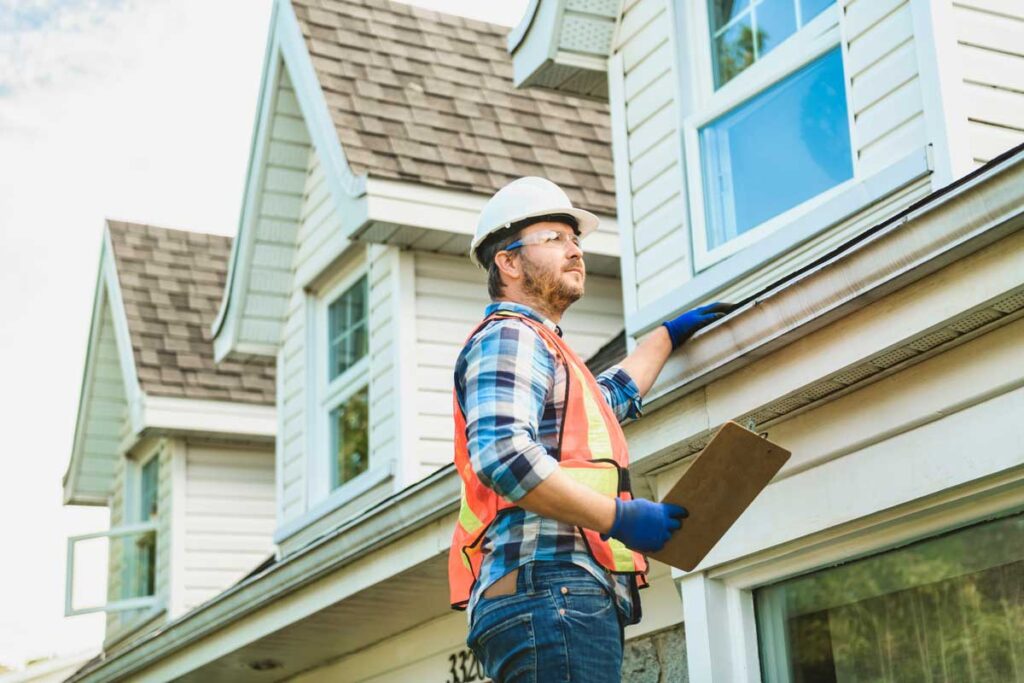
If you're considering a roof replacement in the Finger Lakes region, you need to look beyond the initial price tag and manufacturer promises.
Ask these questions:
What's the actual expected lifespan in this specific climate? Not the warranty period. Not the lab test results. The real-world performance data from installations in areas with similar freeze-thaw cycles, snow loads, and humidity patterns.
What does the total cost look like over 30-50 years? Factor in replacement cycles, maintenance expenses, and the hidden costs of callbacks and repairs.
What ventilation and ice barrier systems are included? These aren't optional extras in this region. They're essential components that determine whether your roof reaches its promised lifespan or fails prematurely.
What environmental factors void the warranty? Read the fine print. Understand exactly what conditions the manufacturer considers beyond their responsibility. In the Finger Lakes, those "extreme environmental factors" are just normal winter.
The Bottom Line
We've installed thousands of roofs in this region. We've seen which materials hold up and which fail early. We've watched homeowners get stuck with bills for failures that manufacturers won't cover.
The data is clear: traditional asphalt shingles struggle in the Finger Lakes climate. The freeze-thaw cycles, lake-effect snow, and moisture infiltration patterns create stress that lab tests don't fully replicate.
Premium materials cost more upfront. But when you calculate the real cost per year over the roof's actual lifespan—not the promised one—the economics shift dramatically.
Your roof isn't just a purchase. It's an investment in protection against some of the most challenging weather conditions in New York State.
Make sure you're getting materials that can actually handle what this region throws at them.
Because when a roof fails at year 12 instead of year 25, the "savings" from choosing the cheaper option disappear fast.
We offer free roof inspections throughout the Finger Lakes region. We'll assess your current roof's condition, explain exactly what failure patterns we're seeing, and provide honest recommendations based on real-world performance data—not manufacturer promises.
Your home deserves a roof that can actually protect it. Let us show you what that looks like.