Home / Blog /
Commercial Roofing Options for Buildings in New York

Best Commercial Roofing Options for Buildings in New York

October 30, 2026•8 min read

Choosing the right roofing system is an important decision for any commercial property owner. A commercial roof protects the building, equipment, employees, and inventory from external weather conditions while contributing to the property's long-term structural performance. In New York, where buildings experience heavy snowfall, rain, strong winds, and seasonal temperature changes, selecting suitable roofing materials is particularly important.

Whether you own a warehouse, office building, retail property, or industrial facility, understanding the available roofing systems can help you make a more informed investment. Professional Commercial Roofing Services in New York can help property owners evaluate different materials, installation requirements, and maintenance considerations based on their building's specific needs.

Why Choosing the Right Commercial Roofing System Matters

Commercial buildings often have different roofing requirements than residential properties. Their roof size, structural design, drainage systems, and daily usage can influence which materials and installation methods are appropriate.

A suitable commercial roofing system can help protect the building against rain, snow, and wind, reduce the risk of water intrusion, support energy efficiency, and minimize ongoing maintenance requirements.

For New York commercial properties, the roofing system should also be selected according to local building codes, structural requirements, and expected weather exposure.

5 Commercial Roofing Options to Consider

Different roofing materials offer different advantages. The right choice depends on the building's design, roof slope, budget, and performance requirements.

1. Metal Roofing

Metal roofing is a popular option for many commercial and industrial buildings because of its durability and versatility. It is available in different profiles, materials, and finishes, making it suitable for various building designs.

Standing seam metal roofing features raised seams and concealed fasteners, while corrugated metal roofing features a ridged panel profile that provides structural stiffness.

Some benefits of metal roofing include:

  • Durable construction and long-term performance.

  • Resistance to many common weather conditions.

  • Relatively low routine maintenance requirements.

  • Multiple panel profiles and finish options.

  • Suitability for various commercial building designs.

Property owners considering this option can explore Standing Seam Metal Roofing and Corrugated Metal Roofing to understand the available metal roofing solutions from LS Roofing LLC.

2. TPO Roofing

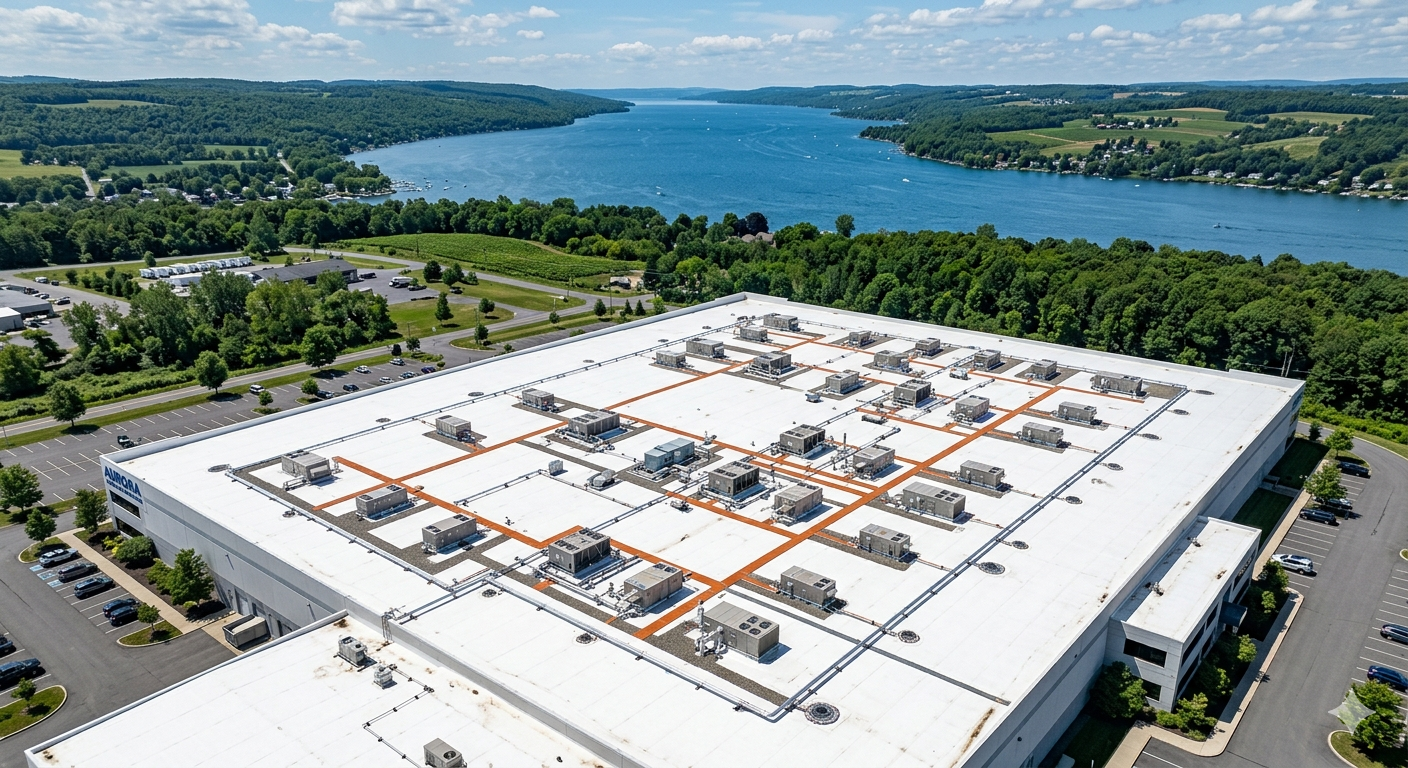
Thermoplastic Polyolefin (TPO) is a single-ply roofing membrane commonly used on commercial buildings with low-slope or flat roofs.

It typically features reflective surfaces that can help reduce solar heat absorption. TPO membranes are also designed to provide waterproof protection when installed with properly sealed seams and compatible flashing details.

Some advantages include:

  • Reflective roofing surfaces.

  • Heat-welded seams.

  • Lightweight membrane construction.

  • Suitability for many low-slope commercial roofs.

TPO can be a practical option for warehouses, office buildings, and retail facilities, provided the roof structure and installation conditions are suitable.

3. EPDM Roofing

Ethylene Propylene Diene Monomer (EPDM) is a synthetic rubber roofing membrane commonly used on low-slope commercial roofs.

It is valued for its flexibility and ability to accommodate temperature-related movement. EPDM is available in different thicknesses and installation configurations.

Its potential advantages include:

  • Flexible membrane construction.

  • Resistance to weathering.

  • Suitability for large commercial roof areas.

  • Established installation and repair methods.

Property owners should consider membrane thickness, seam detailing, insulation requirements, and installation quality when evaluating EPDM.

4. Built-Up Roofing (BUR)

Built-up roofing is a traditional commercial roofing system consisting of multiple layers of bitumen and reinforcing materials. These layers are combined to create a protective roofing assembly, often finished with a suitable surfacing material.

Potential benefits include:

  • Multiple protective layers.

  • Established installation methods.

  • Suitability for certain low-slope commercial buildings.

  • Potential resistance to regular weather exposure when properly installed.

BUR may be worth considering for warehouses, industrial facilities, and other commercial properties with suitable roof structures.

5. Green Roofing Systems

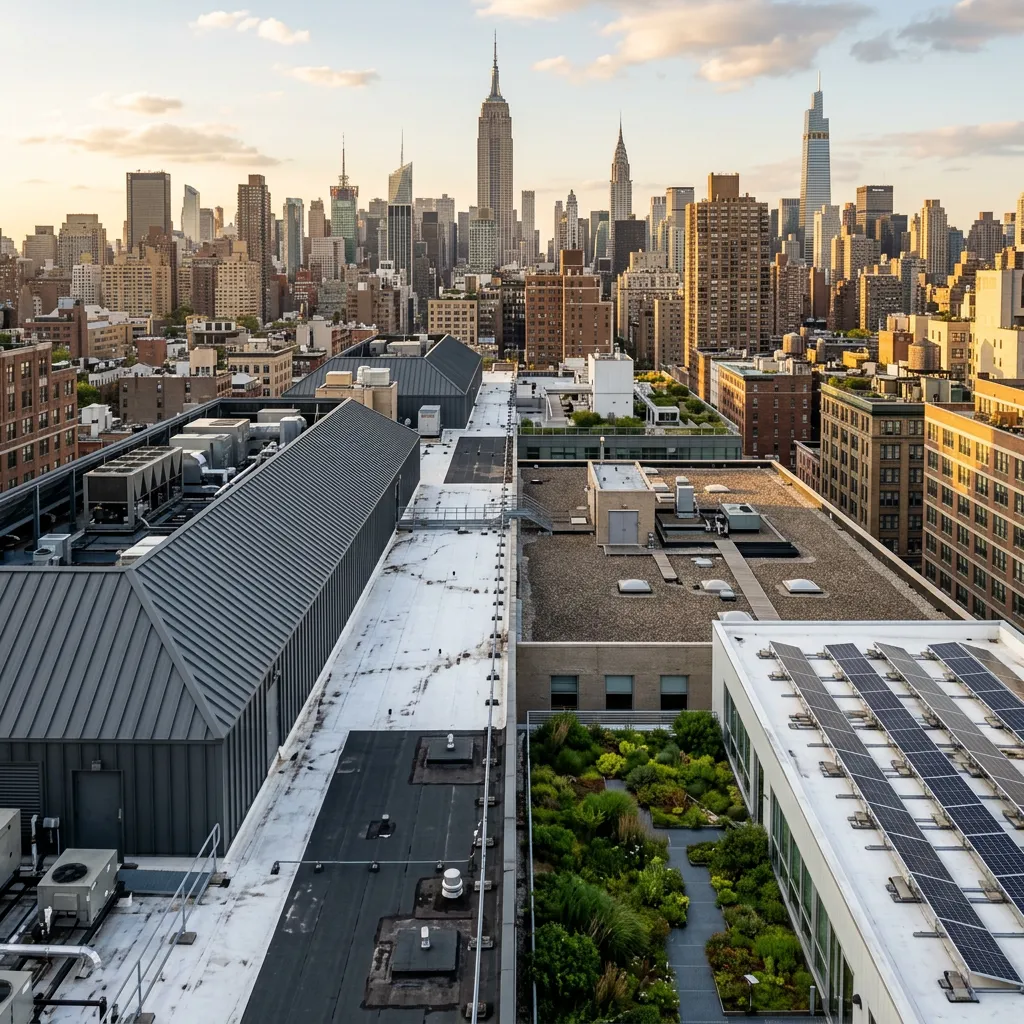
Green roofing systems incorporate vegetation and specialized layers over a building's roof structure. Depending on the design, they may include waterproofing membranes, drainage layers, growing medium, and selected vegetation.

Potential benefits include:

  • Improved stormwater management.

  • Additional insulation benefits.

  • Reduced heat absorption in certain applications.

  • Enhanced environmental value and building aesthetics.

However, green roofs require careful structural assessment, waterproofing, drainage design, and ongoing maintenance.

How to Choose the Best Commercial Roofing Material

There is no single roofing material that works for every commercial property. Before selecting a system, consider the following factors.

Building Design and Roof Slope

The building's roof slope is one of the most important considerations. Some systems are designed for steep-slope applications, while others are specifically manufactured for low-slope or flat roofs.

Metal panels are available in different configurations, but the selected profile must meet the manufacturer's minimum slope and installation requirements.

New York Weather Conditions

Commercial roofs in New York must be designed to handle seasonal weather changes. Snow accumulation, freezing temperatures, rain, and wind can affect roofing performance.

The roof's structural capacity, drainage, insulation, and fastening system should all be considered before installation.

Installation and Maintenance Costs

Initial installation cost is only one part of the overall investment. Property owners should also evaluate maintenance requirements, expected service life, repair accessibility, and potential replacement expenses.

Comparing the total expected cost of ownership can provide a better understanding of the long-term value of different roofing systems.

Energy Efficiency

Roofing materials, insulation, ventilation, and surface reflectivity can influence a building's energy performance.

Reflective roofing systems may help reduce cooling demand during warmer months, while suitable insulation and air sealing are important for maintaining indoor comfort during New York winters.

Contractor Experience

Even high-quality roofing materials can experience problems when installed incorrectly. Working with an experienced Commercial Roofing Contractor in New York helps ensure that the selected system is appropriate for the building and installed according to manufacturer specifications.

Importance of Commercial Roof Maintenance

Regular maintenance helps commercial property owners identify roofing problems before they become more expensive to address.

Some important maintenance practices include:

  • Inspecting the roof after severe weather.

  • Checking flashing, seams, and roof penetrations.

  • Keeping gutters and drainage systems clear.

  • Looking for standing water on low-slope roofs.

  • Checking for damaged panels, loose fasteners, or membrane deterioration.

  • Addressing leaks and damaged areas promptly.

Professional inspections can also help identify issues that may not be visible from the ground.

When Should You Consider Commercial Roof Replacement?

Commercial roof replacement may become necessary when an existing roofing system has extensive deterioration, recurring leaks, damaged insulation, or widespread membrane and panel failures.

Before deciding on replacement, a professional inspection can help determine whether repairs are sufficient or whether installing a new roofing system would be more practical.

If your commercial property requires a new roofing system, explore New Roof Installation Services in New York to learn more about the installation process and available roofing solutions.

Why Choose LS Roofing NY for Commercial Roofing?

LS Roofing LLC is based in Romulus, New York, and provides residential and commercial roofing services throughout its surrounding service area.

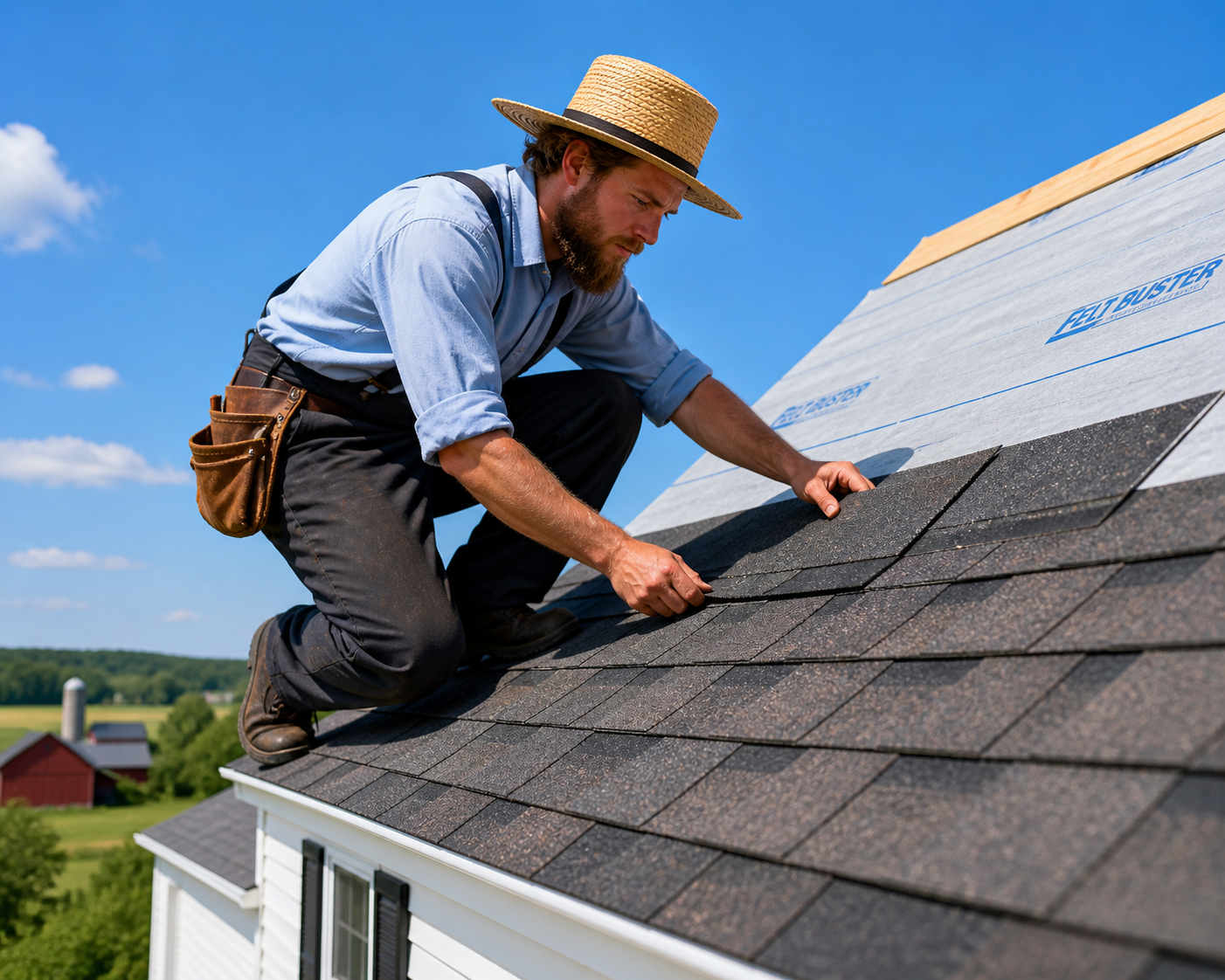
The company combines traditional Amish craftsmanship with modern roofing practices, focusing on quality materials, careful installation, and customer satisfaction.

Its commercial roofing services cover installation, replacement, repairs, and maintenance. The company also offers different roofing solutions, including metal roofing and single-ply membrane systems, depending on the building's requirements.

Businesses looking for Commercial Roofing Services in New York can contact LS Roofing to discuss their property's roofing requirements and request a free estimate.

The company also serves businesses in communities such as Ithaca, NY and the surrounding Finger Lakes region.

Frequently Asked Questions

1. What is the best roofing material for commercial buildings in New York?

The best material depends on the building's roof slope, structural design, budget, and performance requirements. Metal roofing, TPO, EPDM, built-up roofing, and green roofing are options for different commercial applications.

2. Is metal roofing suitable for commercial buildings?

Yes. Metal roofing can be suitable for many commercial and industrial buildings. It offers durability, multiple design options, and relatively low routine maintenance requirements when properly installed and maintained.

3. How long does a commercial roof last?

The lifespan varies depending on the roofing material, installation quality, maintenance, and weather exposure. Different membrane and metal roofing systems have different expected service lives, so property owners should consult the manufacturer's specifications.

4. How often should a commercial roof be inspected?

Commercial roofs should be inspected periodically and after significant weather events. Inspection frequency depends on the roofing system, building usage, roof age, and manufacturer recommendations.

5. Can a commercial roof be installed over an existing roofing system?

In some situations, a new roofing system may be installed over an existing roof. However, this depends on structural capacity, moisture conditions, existing roof layers, building codes, and manufacturer requirements. A professional inspection is necessary before deciding.

6. What causes commercial roof leaks?

Common causes include damaged membranes, deteriorated flashing, loose fasteners, failed seams, clogged drainage systems, and damaged roof penetrations. Regular inspections can help identify these problems early.

7. How do I choose a commercial roofing contractor in New York?

Look for a contractor with relevant commercial roofing experience, appropriate insurance, knowledge of local building requirements, detailed written estimates, and clear warranty information. Ask about previous projects and the installation methods recommended for your building.

Conclusion

Selecting the right roofing system is essential for protecting a commercial property and maintaining its long-term performance. From metal roofing and TPO to EPDM, built-up roofing, and green roofing, each option offers different advantages depending on the building's design and requirements.

Before making a decision, evaluate your property's structural condition, roof slope, weather exposure, maintenance needs, and budget. Working with an experienced roofing professional can help you identify a suitable solution and ensure that the installation meets the requirements of your commercial building.

If you are exploring commercial roofing services in New York, LS Roofing NY can help you learn more about available roofing solutions for your property. Visit the website to discuss your commercial roofing requirements and request a free estimate.

Back to Blog
LS Roofing footer logo - company mark

Follow Us On Facebook

Location

2326 Ernsberger Rd,

Romulus, NY 14541

Contact Us
Phone: (315) 730-9043

Hours of Operation
Mon–Fri: 6 AM – 5 PM
Saturday: 8 AM – 3 PM

Website management and hosting by pudgy squirrel marketing

Commercial Roofing Options for Buildings in New York

Best Commercial Roofing Options for Buildings in New York

October 30, 2026•8 min read

Choosing the right roofing system is an important decision for any commercial property owner. A commercial roof protects the building, equipment, employees, and inventory from external weather conditions while contributing to the property's long-term structural performance. In New York, where buildings experience heavy snowfall, rain, strong winds, and seasonal temperature changes, selecting suitable roofing materials is particularly important.

Whether you own a warehouse, office building, retail property, or industrial facility, understanding the available roofing systems can help you make a more informed investment. Professional Commercial Roofing Services in New York can help property owners evaluate different materials, installation requirements, and maintenance considerations based on their building's specific needs.

Why Choosing the Right Commercial Roofing System Matters

Commercial buildings often have different roofing requirements than residential properties. Their roof size, structural design, drainage systems, and daily usage can influence which materials and installation methods are appropriate.

A suitable commercial roofing system can help protect the building against rain, snow, and wind, reduce the risk of water intrusion, support energy efficiency, and minimize ongoing maintenance requirements.

For New York commercial properties, the roofing system should also be selected according to local building codes, structural requirements, and expected weather exposure.

5 Commercial Roofing Options to Consider

Different roofing materials offer different advantages. The right choice depends on the building's design, roof slope, budget, and performance requirements.

1. Metal Roofing

Metal roofing is a popular option for many commercial and industrial buildings because of its durability and versatility. It is available in different profiles, materials, and finishes, making it suitable for various building designs.

Standing seam metal roofing features raised seams and concealed fasteners, while corrugated metal roofing features a ridged panel profile that provides structural stiffness.

Some benefits of metal roofing include:

  • Durable construction and long-term performance.

  • Resistance to many common weather conditions.

  • Relatively low routine maintenance requirements.

  • Multiple panel profiles and finish options.

  • Suitability for various commercial building designs.

Property owners considering this option can explore Standing Seam Metal Roofing and Corrugated Metal Roofing to understand the available metal roofing solutions from LS Roofing LLC.

2. TPO Roofing

Thermoplastic Polyolefin (TPO) is a single-ply roofing membrane commonly used on commercial buildings with low-slope or flat roofs.

It typically features reflective surfaces that can help reduce solar heat absorption. TPO membranes are also designed to provide waterproof protection when installed with properly sealed seams and compatible flashing details.

Some advantages include:

  • Reflective roofing surfaces.

  • Heat-welded seams.

  • Lightweight membrane construction.

  • Suitability for many low-slope commercial roofs.

TPO can be a practical option for warehouses, office buildings, and retail facilities, provided the roof structure and installation conditions are suitable.

3. EPDM Roofing

Ethylene Propylene Diene Monomer (EPDM) is a synthetic rubber roofing membrane commonly used on low-slope commercial roofs.

It is valued for its flexibility and ability to accommodate temperature-related movement. EPDM is available in different thicknesses and installation configurations.

Its potential advantages include:

  • Flexible membrane construction.

  • Resistance to weathering.

  • Suitability for large commercial roof areas.

  • Established installation and repair methods.

Property owners should consider membrane thickness, seam detailing, insulation requirements, and installation quality when evaluating EPDM.

4. Built-Up Roofing (BUR)

Built-up roofing is a traditional commercial roofing system consisting of multiple layers of bitumen and reinforcing materials. These layers are combined to create a protective roofing assembly, often finished with a suitable surfacing material.

Potential benefits include:

  • Multiple protective layers.

  • Established installation methods.

  • Suitability for certain low-slope commercial buildings.

  • Potential resistance to regular weather exposure when properly installed.

BUR may be worth considering for warehouses, industrial facilities, and other commercial properties with suitable roof structures.

5. Green Roofing Systems

Green roofing systems incorporate vegetation and specialized layers over a building's roof structure. Depending on the design, they may include waterproofing membranes, drainage layers, growing medium, and selected vegetation.

Potential benefits include:

  • Improved stormwater management.

  • Additional insulation benefits.

  • Reduced heat absorption in certain applications.

  • Enhanced environmental value and building aesthetics.

However, green roofs require careful structural assessment, waterproofing, drainage design, and ongoing maintenance.

How to Choose the Best Commercial Roofing Material

There is no single roofing material that works for every commercial property. Before selecting a system, consider the following factors.

Building Design and Roof Slope

The building's roof slope is one of the most important considerations. Some systems are designed for steep-slope applications, while others are specifically manufactured for low-slope or flat roofs.

Metal panels are available in different configurations, but the selected profile must meet the manufacturer's minimum slope and installation requirements.

New York Weather Conditions

Commercial roofs in New York must be designed to handle seasonal weather changes. Snow accumulation, freezing temperatures, rain, and wind can affect roofing performance.

The roof's structural capacity, drainage, insulation, and fastening system should all be considered before installation.

Installation and Maintenance Costs

Initial installation cost is only one part of the overall investment. Property owners should also evaluate maintenance requirements, expected service life, repair accessibility, and potential replacement expenses.

Comparing the total expected cost of ownership can provide a better understanding of the long-term value of different roofing systems.

Energy Efficiency

Roofing materials, insulation, ventilation, and surface reflectivity can influence a building's energy performance.

Reflective roofing systems may help reduce cooling demand during warmer months, while suitable insulation and air sealing are important for maintaining indoor comfort during New York winters.

Contractor Experience

Even high-quality roofing materials can experience problems when installed incorrectly. Working with an experienced Commercial Roofing Contractor in New York helps ensure that the selected system is appropriate for the building and installed according to manufacturer specifications.

Importance of Commercial Roof Maintenance

Regular maintenance helps commercial property owners identify roofing problems before they become more expensive to address.

Some important maintenance practices include:

  • Inspecting the roof after severe weather.

  • Checking flashing, seams, and roof penetrations.

  • Keeping gutters and drainage systems clear.

  • Looking for standing water on low-slope roofs.

  • Checking for damaged panels, loose fasteners, or membrane deterioration.

  • Addressing leaks and damaged areas promptly.

Professional inspections can also help identify issues that may not be visible from the ground.

When Should You Consider Commercial Roof Replacement?

Commercial roof replacement may become necessary when an existing roofing system has extensive deterioration, recurring leaks, damaged insulation, or widespread membrane and panel failures.

Before deciding on replacement, a professional inspection can help determine whether repairs are sufficient or whether installing a new roofing system would be more practical.

If your commercial property requires a new roofing system, explore New Roof Installation Services in New York to learn more about the installation process and available roofing solutions.

Why Choose LS Roofing NY for Commercial Roofing?

LS Roofing LLC is based in Romulus, New York, and provides residential and commercial roofing services throughout its surrounding service area.

The company combines traditional Amish craftsmanship with modern roofing practices, focusing on quality materials, careful installation, and customer satisfaction.

Its commercial roofing services cover installation, replacement, repairs, and maintenance. The company also offers different roofing solutions, including metal roofing and single-ply membrane systems, depending on the building's requirements.

Businesses looking for Commercial Roofing Services in New York can contact LS Roofing to discuss their property's roofing requirements and request a free estimate.

The company also serves businesses in communities such as Ithaca, NY and the surrounding Finger Lakes region.

Frequently Asked Questions

1. What is the best roofing material for commercial buildings in New York?

The best material depends on the building's roof slope, structural design, budget, and performance requirements. Metal roofing, TPO, EPDM, built-up roofing, and green roofing are options for different commercial applications.

2. Is metal roofing suitable for commercial buildings?

Yes. Metal roofing can be suitable for many commercial and industrial buildings. It offers durability, multiple design options, and relatively low routine maintenance requirements when properly installed and maintained.

3. How long does a commercial roof last?

The lifespan varies depending on the roofing material, installation quality, maintenance, and weather exposure. Different membrane and metal roofing systems have different expected service lives, so property owners should consult the manufacturer's specifications.

4. How often should a commercial roof be inspected?

Commercial roofs should be inspected periodically and after significant weather events. Inspection frequency depends on the roofing system, building usage, roof age, and manufacturer recommendations.

5. Can a commercial roof be installed over an existing roofing system?

In some situations, a new roofing system may be installed over an existing roof. However, this depends on structural capacity, moisture conditions, existing roof layers, building codes, and manufacturer requirements. A professional inspection is necessary before deciding.

6. What causes commercial roof leaks?

Common causes include damaged membranes, deteriorated flashing, loose fasteners, failed seams, clogged drainage systems, and damaged roof penetrations. Regular inspections can help identify these problems early.

7. How do I choose a commercial roofing contractor in New York?

Look for a contractor with relevant commercial roofing experience, appropriate insurance, knowledge of local building requirements, detailed written estimates, and clear warranty information. Ask about previous projects and the installation methods recommended for your building.

Conclusion

Selecting the right roofing system is essential for protecting a commercial property and maintaining its long-term performance. From metal roofing and TPO to EPDM, built-up roofing, and green roofing, each option offers different advantages depending on the building's design and requirements.

Before making a decision, evaluate your property's structural condition, roof slope, weather exposure, maintenance needs, and budget. Working with an experienced roofing professional can help you identify a suitable solution and ensure that the installation meets the requirements of your commercial building.

If you are exploring commercial roofing services in New York, LS Roofing NY can help you learn more about available roofing solutions for your property. Visit the website to discuss your commercial roofing requirements and request a free estimate.

Back to Blog