Home / Blog /
Corrugated Metal Roof Installation: A Complete Guide

Corrugated Metal Roof Installation: A Complete Guide

October 09, 2026•9 min read

Corrugated metal roofing is a durable and versatile option for residential, agricultural, and commercial buildings. Its distinctive ridged design provides structural strength, while its relatively lightweight construction makes it suitable for many roofing applications. For property owners considering corrugated metal roof installation, understanding the materials, installation process, and maintenance requirements can help ensure a long-lasting roofing system.

In New York, roofing materials must withstand changing weather conditions, including heavy rain, snow, wind, and seasonal temperature fluctuations. Choosing the right metal roofing system and ensuring proper installation are important steps toward protecting a building and maintaining its long-term performance.

What Is Corrugated Metal Roofing?

Corrugated metal roofing consists of metal panels formed into repeating ridges and valleys. These profiles help improve panel stiffness and allow water to drain toward the roof's eaves when the system is properly designed and installed.

Corrugated panels are commonly available in galvanized steel, coated steel, and other metal options. The best material depends on the building's purpose, environmental exposure, budget, and desired appearance.

This roofing style is used on agricultural buildings, garages, workshops, commercial structures, and some residential properties. It can also be an option for homeowners looking for a practical alternative to traditional asphalt shingles.

Benefits of Corrugated Metal Roof Installation

Installing a corrugated metal roof offers several potential advantages when the roofing system is selected and installed correctly.

1. Durability and Weather Resistance

Metal roofing can provide reliable protection against rain, wind, and other environmental conditions. The actual performance depends on panel thickness, protective coatings, fasteners, roof design, and installation quality.

For buildings in New York, choosing a system suited to local snow loads and wind requirements is particularly important.

2. Lightweight Construction

Corrugated metal panels are generally lighter than many traditional roofing materials. This can reduce the added weight of the roofing covering, although the existing roof structure must still be assessed to confirm that it is suitable for the proposed system.

3. Long-Term Value

Although the initial cost of metal roofing may be higher than some alternatives, its potential service life and maintenance requirements can make it a worthwhile long-term investment. Actual lifespan depends on material quality, installation, weather exposure, and ongoing maintenance.

4. Multiple Applications

Corrugated metal roofing can be used on garages, barns, workshops, agricultural buildings, and selected residential and commercial structures. Its simple profile and range of finishes make it suitable for different architectural styles.

5. Low Maintenance Requirements

Metal roofs generally require less routine maintenance than some other roofing systems. However, periodic inspections remain important to identify loose fasteners, damaged coatings, corrosion, and problems around flashing or roof penetrations.

The Corrugated Metal Roof Installation Process

Proper installation is essential to achieving reliable performance. The process can vary depending on the roof's design, the selected panel system, and whether the project involves new construction or replacing an existing roof.

Step 1: Inspect the Existing Roof Structure

Before installation begins, a roofing professional should assess the roof structure, decking or supporting framework, slope, and overall condition.

Any damaged structural components or unsuitable surfaces should be addressed before the new roofing system is installed. The contractor should also determine whether the building requires additional structural work to accommodate the proposed materials and local snow loads.

Step 2: Select the Appropriate Metal Panels

Corrugated panels are available in different profiles, thicknesses, coatings, and colors. Selecting the right product involves considering the roof's slope, exposure to moisture, architectural requirements, and manufacturer specifications.

For properties in New York, corrosion protection and compatibility with the intended installation environment deserve particular attention.

Step 3: Prepare the Roofing Surface

The roofing surface must be prepared according to the selected system's installation requirements. Depending on the building and roofing design, preparation may involve repairing the decking, installing an appropriate underlayment, and adding flashing or other protective components.

Proper moisture management and ventilation should also be considered as part of the overall roof assembly.

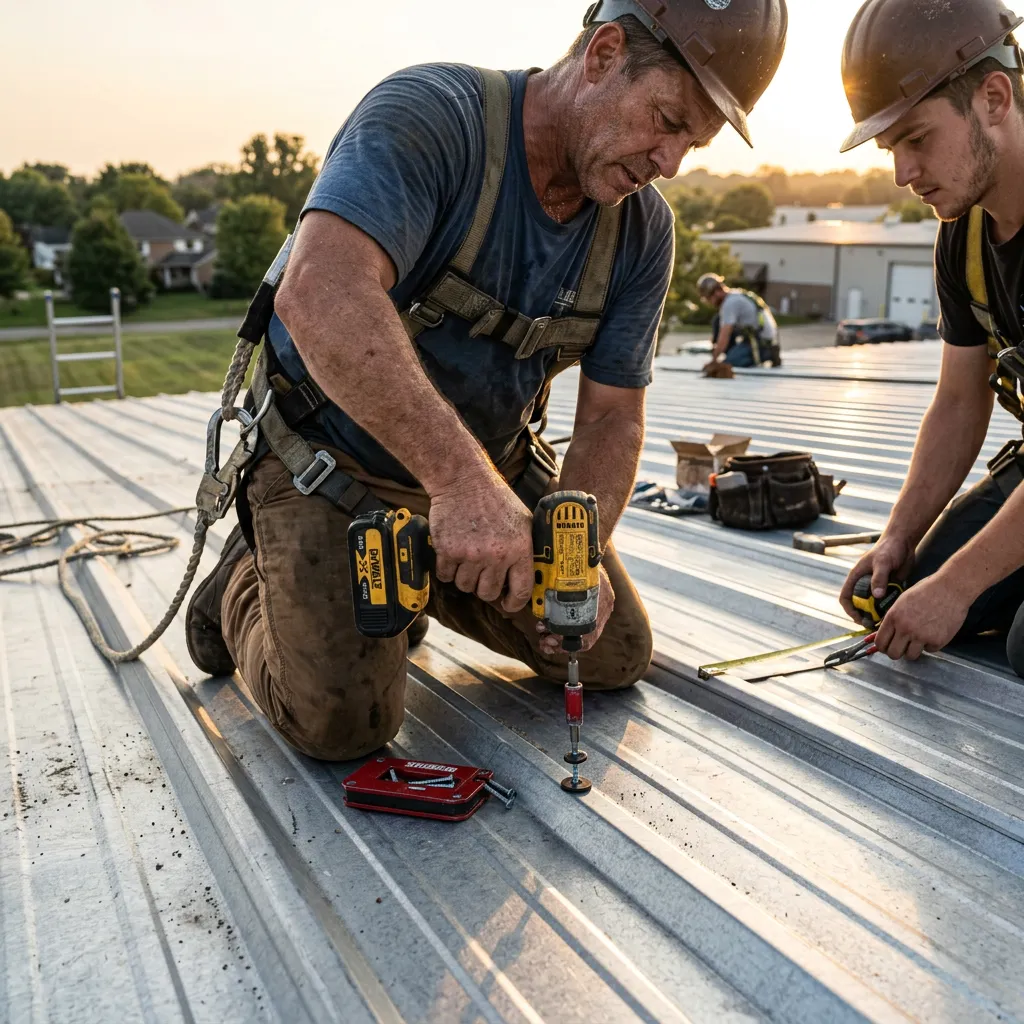
Step 4: Install the Metal Panels

The installer positions and secures the panels according to the manufacturer's instructions. Correct panel alignment, overlap, fastening locations, and fastener selection are essential to help prevent water intrusion and premature deterioration.

Fasteners should be suitable for the roofing material and supporting structure. Incorrectly placed or overtightened fasteners can damage sealing washers and compromise the roofing system.

Step 5: Install Flashing and Roof Accessories

Roof edges, valleys, ridges, chimneys, vents, and other penetrations require careful detailing. Flashing and compatible sealing components help direct water away from vulnerable areas.

These details are particularly important because roof leaks often develop around transitions and penetrations rather than across the main roofing panels.

Step 6: Conduct a Final Inspection

Once installation is complete, the contractor should inspect panel alignment, fasteners, flashing, roof edges, and other critical components. Any installation issues should be corrected before the project is considered finished.

A final inspection helps confirm that the roof has been installed according to the applicable product requirements and project specifications.

How Much Does Corrugated Metal Roof Installation Cost?

The cost of corrugated metal roof installation depends on several factors, so an on-site assessment is often necessary to obtain an accurate estimate.

Important cost factors include:

  • Roof size: Larger roofs generally require more panels, fasteners, and labor.

  • Material selection: Metal type, panel thickness, protective coatings, and finish affect material costs.

  • Roof complexity: Steep slopes, multiple roof sections, valleys, and penetrations can increase labor requirements.

  • Existing roof condition: Damaged decking, structural repairs, or removal of old roofing materials can add to the total cost.

  • Underlayment and flashing: The required moisture protection and finishing components affect the project budget.

  • Accessibility: Difficult access or specialized equipment may increase installation expenses.

When comparing estimates, homeowners should check whether the quoted price includes material removal, surface preparation, underlayment, flashing, disposal, labor, and applicable warranties. A detailed written estimate makes it easier to compare the actual scope of work rather than price alone.

Corrugated Metal Roofing vs. Standing Seam Metal Roofing

Corrugated and standing seam metal roofing are two different panel systems. Each has characteristics that may make it suitable for particular buildings and budgets.

Corrugated roofing features visible ridges and exposed fasteners in many common systems. It can be a practical option for garages, agricultural buildings, workshops, and other suitable structures.

Standing seam roofing typically features raised seams that conceal the fasteners in many designs. It is often selected for residential and commercial properties where a streamlined appearance and specific water-management characteristics are desired.

The best choice depends on the roof slope, building design, material specifications, budget, and installation requirements. Property owners can explore our standing seam metal roofing service to learn more about this alternative.

Is Corrugated Metal Roofing Suitable for New York Weather?

Corrugated metal roofing can be suitable for many New York properties, provided the selected system is designed for the building and installed correctly.

Snow and ice deserve particular attention. Roof pitch, structural capacity, panel specifications, and snow-management requirements should all be evaluated before installation. Metal roofing can allow snow to slide off more readily than some other materials, which may create hazards near entrances, walkways, and lower roof sections.

Wind resistance also depends on the complete roofing assembly, including panel attachment, edge details, and the supporting structure.

For these reasons, choosing a roofing contractor familiar with local building conditions can help property owners select an appropriate system and avoid common installation problems.

Maintenance Tips for Corrugated Metal Roofs

Although metal roofing can be relatively low maintenance, regular inspections can help extend its useful life.

Inspect fasteners and seals: Look for loose fasteners, damaged washers, or signs of water intrusion around connections.

Check for corrosion: Examine exposed metal and damaged coatings, particularly in areas where water may collect.

Keep gutters clear: Remove leaves and debris so rainwater can drain properly from the roof.

Inspect flashing: Check roof penetrations, edges, valleys, and ridges for damage or separation.

Address problems promptly: Small issues should be assessed before they lead to more extensive moisture damage.

Roof inspections should be performed safely. Homeowners should avoid walking on metal roofing panels unless the system and conditions have been assessed by a qualified professional.

Why Choose a Professional Metal Roofing Contractor?

Corrugated metal roof installation requires more than securing panels to a roof. The contractor must understand the roofing system, fastening requirements, flashing details, drainage, and the building's structural needs.

Professional installation can help reduce the risk of leaks, premature corrosion, and avoidable repairs. Before hiring a contractor, review previous projects, request a written estimate, and ask about material specifications and workmanship warranties.

For property owners seeking roofing services in the Finger Lakes region, LS Roofing NY provides residential and commercial roofing services, including corrugated metal roofing. The company is based in Romulus, New York, and serves communities throughout its surrounding service area.

You can also explore its residential roofing services to learn more about roofing solutions for homes.

Frequently Asked Questions

1. How long does a corrugated metal roof last?

The lifespan depends on the metal type, coating, installation quality, climate exposure, and maintenance. A properly specified and maintained metal roofing system can provide many years of service, but the manufacturer's specifications should be consulted for the expected service life of a particular product.

2. Is corrugated metal roofing suitable for residential homes?

Yes. Corrugated metal roofing can be suitable for some residential properties, provided the selected panels meet the building's design, slope, structural, and weather-protection requirements.

3. Can corrugated metal roofing be installed over an existing roof?

In some situations, installation over an existing roof may be possible. However, this depends on local building requirements, the condition of the existing roof, structural capacity, moisture management, and the manufacturer's instructions. A professional inspection should determine whether this approach is appropriate.

4. Does a corrugated metal roof require underlayment?

Underlayment requirements depend on the roofing system, roof design, building use, and applicable codes. The correct underlayment and moisture-management approach should be selected according to the manufacturer's instructions and project requirements.

5. Is corrugated metal roofing noisy during rain?

Rain noise depends on factors such as the roof assembly, insulation, attic construction, and the building's interior finishes. A properly designed roof assembly can help manage sound transmission.

6. How much does corrugated metal roof installation cost?

Costs vary with roof size, material specifications, labor, roof complexity, existing roof condition, and additional components. Requesting a detailed estimate based on an inspection is the best way to determine the cost for a particular property.

7. How do I choose a corrugated metal roofing contractor in New York?

Look for a contractor with relevant metal roofing experience, knowledge of local building conditions, clear written estimates, examples of previous work, and transparent warranty information. Ask how the proposed system will address drainage, flashing, fastening, and local weather requirements.

Conclusion

Corrugated metal roof installation can be a practical investment for property owners seeking a durable and versatile roofing system. Selecting the right panels, preparing the roof properly, following manufacturer installation requirements, and maintaining the finished system all contribute to long-term performance.

Before starting a roofing project, have the existing structure assessed and compare suitable materials and installation estimates. Working with an experienced roofing professional can help you make an informed decision and protect your property for years to come.

For corrugated metal roofing services in Romulus, the Finger Lakes region, and surrounding New York communities, visit LS Roofing NY to learn more about available roofing solutions.

Back to Blog
LS Roofing footer logo - company mark

Follow Us On Facebook

Location

2326 Ernsberger Rd,

Romulus, NY 14541

Contact Us
Phone: (315) 730-9043

Hours of Operation
Mon–Fri: 6 AM – 5 PM
Saturday: 8 AM – 3 PM

Website management and hosting by pudgy squirrel marketing

Corrugated Metal Roof Installation: A Complete Guide

Corrugated Metal Roof Installation: A Complete Guide

October 09, 2026•9 min read

Corrugated metal roofing is a durable and versatile option for residential, agricultural, and commercial buildings. Its distinctive ridged design provides structural strength, while its relatively lightweight construction makes it suitable for many roofing applications. For property owners considering corrugated metal roof installation, understanding the materials, installation process, and maintenance requirements can help ensure a long-lasting roofing system.

In New York, roofing materials must withstand changing weather conditions, including heavy rain, snow, wind, and seasonal temperature fluctuations. Choosing the right metal roofing system and ensuring proper installation are important steps toward protecting a building and maintaining its long-term performance.

What Is Corrugated Metal Roofing?

Corrugated metal roofing consists of metal panels formed into repeating ridges and valleys. These profiles help improve panel stiffness and allow water to drain toward the roof's eaves when the system is properly designed and installed.

Corrugated panels are commonly available in galvanized steel, coated steel, and other metal options. The best material depends on the building's purpose, environmental exposure, budget, and desired appearance.

This roofing style is used on agricultural buildings, garages, workshops, commercial structures, and some residential properties. It can also be an option for homeowners looking for a practical alternative to traditional asphalt shingles.

Benefits of Corrugated Metal Roof Installation

Installing a corrugated metal roof offers several potential advantages when the roofing system is selected and installed correctly.

1. Durability and Weather Resistance

Metal roofing can provide reliable protection against rain, wind, and other environmental conditions. The actual performance depends on panel thickness, protective coatings, fasteners, roof design, and installation quality.

For buildings in New York, choosing a system suited to local snow loads and wind requirements is particularly important.

2. Lightweight Construction

Corrugated metal panels are generally lighter than many traditional roofing materials. This can reduce the added weight of the roofing covering, although the existing roof structure must still be assessed to confirm that it is suitable for the proposed system.

3. Long-Term Value

Although the initial cost of metal roofing may be higher than some alternatives, its potential service life and maintenance requirements can make it a worthwhile long-term investment. Actual lifespan depends on material quality, installation, weather exposure, and ongoing maintenance.

4. Multiple Applications

Corrugated metal roofing can be used on garages, barns, workshops, agricultural buildings, and selected residential and commercial structures. Its simple profile and range of finishes make it suitable for different architectural styles.

5. Low Maintenance Requirements

Metal roofs generally require less routine maintenance than some other roofing systems. However, periodic inspections remain important to identify loose fasteners, damaged coatings, corrosion, and problems around flashing or roof penetrations.

The Corrugated Metal Roof Installation Process

Proper installation is essential to achieving reliable performance. The process can vary depending on the roof's design, the selected panel system, and whether the project involves new construction or replacing an existing roof.

Step 1: Inspect the Existing Roof Structure

Before installation begins, a roofing professional should assess the roof structure, decking or supporting framework, slope, and overall condition.

Any damaged structural components or unsuitable surfaces should be addressed before the new roofing system is installed. The contractor should also determine whether the building requires additional structural work to accommodate the proposed materials and local snow loads.

Step 2: Select the Appropriate Metal Panels

Corrugated panels are available in different profiles, thicknesses, coatings, and colors. Selecting the right product involves considering the roof's slope, exposure to moisture, architectural requirements, and manufacturer specifications.

For properties in New York, corrosion protection and compatibility with the intended installation environment deserve particular attention.

Step 3: Prepare the Roofing Surface

The roofing surface must be prepared according to the selected system's installation requirements. Depending on the building and roofing design, preparation may involve repairing the decking, installing an appropriate underlayment, and adding flashing or other protective components.

Proper moisture management and ventilation should also be considered as part of the overall roof assembly.

Step 4: Install the Metal Panels

The installer positions and secures the panels according to the manufacturer's instructions. Correct panel alignment, overlap, fastening locations, and fastener selection are essential to help prevent water intrusion and premature deterioration.

Fasteners should be suitable for the roofing material and supporting structure. Incorrectly placed or overtightened fasteners can damage sealing washers and compromise the roofing system.

Step 5: Install Flashing and Roof Accessories

Roof edges, valleys, ridges, chimneys, vents, and other penetrations require careful detailing. Flashing and compatible sealing components help direct water away from vulnerable areas.

These details are particularly important because roof leaks often develop around transitions and penetrations rather than across the main roofing panels.

Step 6: Conduct a Final Inspection

Once installation is complete, the contractor should inspect panel alignment, fasteners, flashing, roof edges, and other critical components. Any installation issues should be corrected before the project is considered finished.

A final inspection helps confirm that the roof has been installed according to the applicable product requirements and project specifications.

How Much Does Corrugated Metal Roof Installation Cost?

The cost of corrugated metal roof installation depends on several factors, so an on-site assessment is often necessary to obtain an accurate estimate.

Important cost factors include:

  • Roof size: Larger roofs generally require more panels, fasteners, and labor.

  • Material selection: Metal type, panel thickness, protective coatings, and finish affect material costs.

  • Roof complexity: Steep slopes, multiple roof sections, valleys, and penetrations can increase labor requirements.

  • Existing roof condition: Damaged decking, structural repairs, or removal of old roofing materials can add to the total cost.

  • Underlayment and flashing: The required moisture protection and finishing components affect the project budget.

  • Accessibility: Difficult access or specialized equipment may increase installation expenses.

When comparing estimates, homeowners should check whether the quoted price includes material removal, surface preparation, underlayment, flashing, disposal, labor, and applicable warranties. A detailed written estimate makes it easier to compare the actual scope of work rather than price alone.

Corrugated Metal Roofing vs. Standing Seam Metal Roofing

Corrugated and standing seam metal roofing are two different panel systems. Each has characteristics that may make it suitable for particular buildings and budgets.

Corrugated roofing features visible ridges and exposed fasteners in many common systems. It can be a practical option for garages, agricultural buildings, workshops, and other suitable structures.

Standing seam roofing typically features raised seams that conceal the fasteners in many designs. It is often selected for residential and commercial properties where a streamlined appearance and specific water-management characteristics are desired.

The best choice depends on the roof slope, building design, material specifications, budget, and installation requirements. Property owners can explore our standing seam metal roofing service to learn more about this alternative.

Is Corrugated Metal Roofing Suitable for New York Weather?

Corrugated metal roofing can be suitable for many New York properties, provided the selected system is designed for the building and installed correctly.

Snow and ice deserve particular attention. Roof pitch, structural capacity, panel specifications, and snow-management requirements should all be evaluated before installation. Metal roofing can allow snow to slide off more readily than some other materials, which may create hazards near entrances, walkways, and lower roof sections.

Wind resistance also depends on the complete roofing assembly, including panel attachment, edge details, and the supporting structure.

For these reasons, choosing a roofing contractor familiar with local building conditions can help property owners select an appropriate system and avoid common installation problems.

Maintenance Tips for Corrugated Metal Roofs

Although metal roofing can be relatively low maintenance, regular inspections can help extend its useful life.

Inspect fasteners and seals: Look for loose fasteners, damaged washers, or signs of water intrusion around connections.

Check for corrosion: Examine exposed metal and damaged coatings, particularly in areas where water may collect.

Keep gutters clear: Remove leaves and debris so rainwater can drain properly from the roof.

Inspect flashing: Check roof penetrations, edges, valleys, and ridges for damage or separation.

Address problems promptly: Small issues should be assessed before they lead to more extensive moisture damage.

Roof inspections should be performed safely. Homeowners should avoid walking on metal roofing panels unless the system and conditions have been assessed by a qualified professional.

Why Choose a Professional Metal Roofing Contractor?

Corrugated metal roof installation requires more than securing panels to a roof. The contractor must understand the roofing system, fastening requirements, flashing details, drainage, and the building's structural needs.

Professional installation can help reduce the risk of leaks, premature corrosion, and avoidable repairs. Before hiring a contractor, review previous projects, request a written estimate, and ask about material specifications and workmanship warranties.

For property owners seeking roofing services in the Finger Lakes region, LS Roofing NY provides residential and commercial roofing services, including corrugated metal roofing. The company is based in Romulus, New York, and serves communities throughout its surrounding service area.

You can also explore its residential roofing services to learn more about roofing solutions for homes.

Frequently Asked Questions

1. How long does a corrugated metal roof last?

The lifespan depends on the metal type, coating, installation quality, climate exposure, and maintenance. A properly specified and maintained metal roofing system can provide many years of service, but the manufacturer's specifications should be consulted for the expected service life of a particular product.

2. Is corrugated metal roofing suitable for residential homes?

Yes. Corrugated metal roofing can be suitable for some residential properties, provided the selected panels meet the building's design, slope, structural, and weather-protection requirements.

3. Can corrugated metal roofing be installed over an existing roof?

In some situations, installation over an existing roof may be possible. However, this depends on local building requirements, the condition of the existing roof, structural capacity, moisture management, and the manufacturer's instructions. A professional inspection should determine whether this approach is appropriate.

4. Does a corrugated metal roof require underlayment?

Underlayment requirements depend on the roofing system, roof design, building use, and applicable codes. The correct underlayment and moisture-management approach should be selected according to the manufacturer's instructions and project requirements.

5. Is corrugated metal roofing noisy during rain?

Rain noise depends on factors such as the roof assembly, insulation, attic construction, and the building's interior finishes. A properly designed roof assembly can help manage sound transmission.

6. How much does corrugated metal roof installation cost?

Costs vary with roof size, material specifications, labor, roof complexity, existing roof condition, and additional components. Requesting a detailed estimate based on an inspection is the best way to determine the cost for a particular property.

7. How do I choose a corrugated metal roofing contractor in New York?

Look for a contractor with relevant metal roofing experience, knowledge of local building conditions, clear written estimates, examples of previous work, and transparent warranty information. Ask how the proposed system will address drainage, flashing, fastening, and local weather requirements.

Conclusion

Corrugated metal roof installation can be a practical investment for property owners seeking a durable and versatile roofing system. Selecting the right panels, preparing the roof properly, following manufacturer installation requirements, and maintaining the finished system all contribute to long-term performance.

Before starting a roofing project, have the existing structure assessed and compare suitable materials and installation estimates. Working with an experienced roofing professional can help you make an informed decision and protect your property for years to come.

For corrugated metal roofing services in Romulus, the Finger Lakes region, and surrounding New York communities, visit LS Roofing NY to learn more about available roofing solutions.

Back to Blog