Flat Roof Specialists: Key Differences in Repair vs. Replacement
Flat Roof Specialists: Key Differences in Repair vs. Replacement

Flat roofs are a common choice for both residential and commercial buildings, but they require specific maintenance and repair strategies. Understanding the key differences between flat roof repair and replacement is crucial for homeowners and business owners alike. This article will explore the signs of flat roof damage, the processes involved in repair and replacement, and the costs associated with each option. By the end, readers will have a clearer understanding of when to repair versus when to replace their flat roofs, ensuring they make informed decisions that protect their investments.
What Are the Common Signs of Flat Roof Damage Indicating Repair or Replacement?
Identifying the signs of flat roof damage is essential for timely intervention. Common indicators include leaks, ponding water, and membrane tears, which can lead to more significant issues if not addressed promptly. Recognizing these signs early can help determine whether a repair or a full replacement is necessary, ultimately saving time and money.
How to Identify Leaks, Ponding Water, and Membrane Tears on Flat Roofs
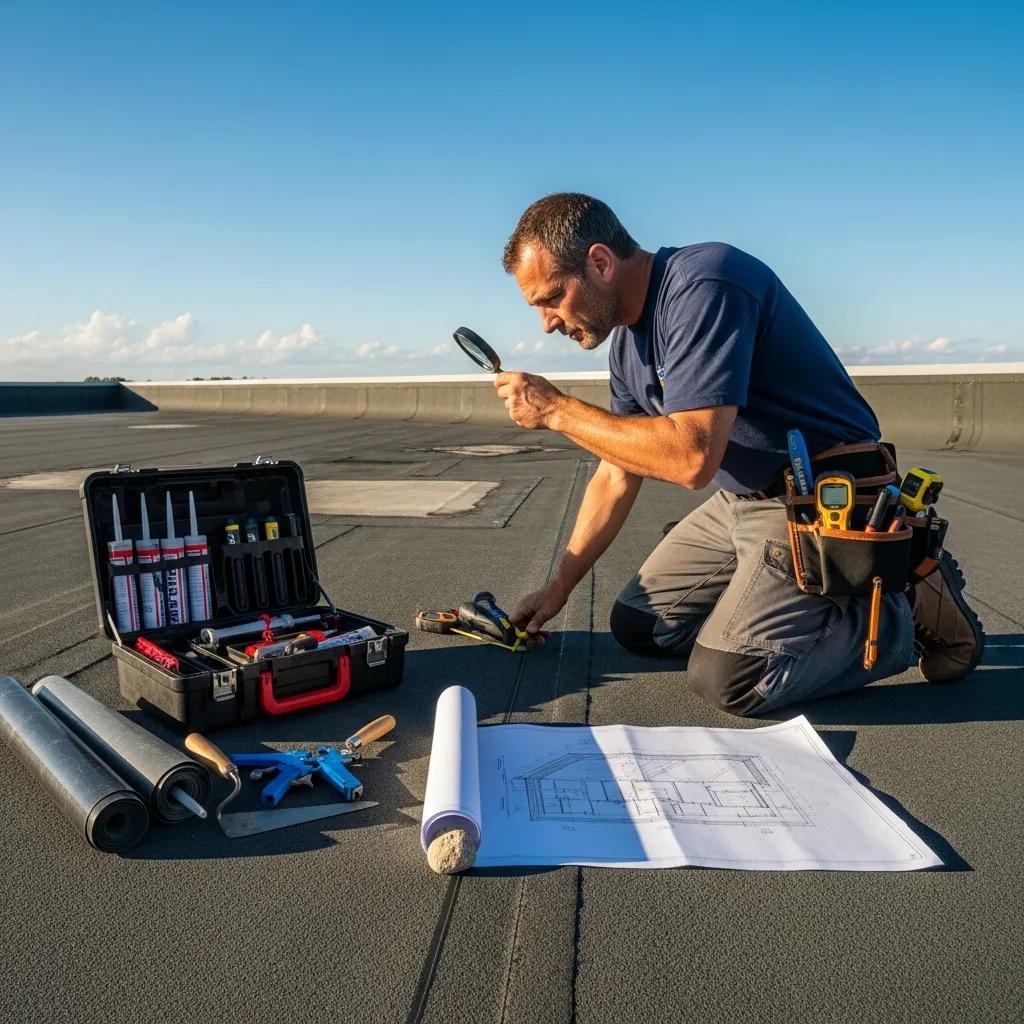
Leaks in flat roofs often manifest as water stains on ceilings or walls, indicating that moisture has penetrated the roofing system. Ponding water, which occurs when water accumulates on the roof surface for more than 48 hours, can lead to structural damage and should be addressed immediately. Additionally, membrane tears can be identified through visual inspections, where cracks or holes in the roofing material are evident. Regular inspections can help catch these issues early, preventing costly repairs down the line.
When Do Damage Types Warrant Repair Instead of Replacement?
Determining whether to repair or replace a flat roof depends on the extent of the damage. Minor leaks or localized issues may only require repairs, while widespread damage or significant structural concerns often necessitate a full replacement. Homeowners should consider factors such as the age of the roof, the type of damage, and the cost implications of each option. Consulting with a flat roof specialist can provide valuable insights into the best course of action.
How Does the Flat Roof Repair Process Work and What Are Its Benefits?
The flat roof repair process typically involves several steps, including inspection, assessment, and the application of appropriate repair techniques. This process not only addresses existing issues but also extends the lifespan of the roof, making it a cost-effective solution for many property owners.
Which Repair Techniques and Materials Do Flat Roof Specialists Use?

Flat roof specialists employ various repair techniques, including patching, sealing, and resurfacing. Common materials used in these repairs include EPDM (ethylene propylene diene monomer) and TPO (thermoplastic polyolefin) membranes, which are known for their durability and effectiveness. These materials provide a reliable barrier against water infiltration and can significantly enhance the roof's longevity.
The effectiveness of patching, especially with materials like EPDM, often hinges on meticulous surface preparation, a critical factor for ensuring durable repairs.
EPDM Flat Roof Patching & Surface Preparation Many U.S. Army installations are replacing old, low-slope built-up roofs using EPDM ethylene-propylene-diene terpolymer as the waterproofing component. EPDMs are nonpolar, relatively inert rubbers, and difficult to bond with adhesive. Unaddressed in prior studies, an important factor affecting seam performance and eventual patch durability is the surface condition of the aged EPDM rubber before bonding. This study assessed the effectiveness of different cleaning methods for preparing aged EPDM membranes for patching, and recommends procedures for use in the field. Life cycle environmental impact of different replacement options for a typical old flat roof, C Menna, 2015
What Is the Typical Cost and Lifespan Extension from Flat Roof Repairs?
The cost of flat roof repairs can vary widely based on the extent of the damage and the materials used. On average, homeowners can expect to pay between $300 and $1,500 for repairs, depending on the complexity of the work. Effective repairs can extend the lifespan of a flat roof by an additional 5 to 10 years, making them a worthwhile investment for many property owners.
What Is Involved in the Flat Roof Replacement Process and When Is It Necessary?
When repairs are no longer viable, a flat roof replacement may be necessary. This process involves removing the existing roofing material and installing a new system, which can significantly improve the roof's performance and durability.
Step-by-Step Overview of Flat Roof Replacement by Specialists

The replacement process typically begins with a thorough inspection to assess the underlying structure. Next, the old roofing material is removed, and any damaged decking is repaired or replaced. Finally, the new roofing system is installed, which may include options like EPDM, TPO, or modified bitumen. This comprehensive approach ensures that the new roof is installed correctly and will provide long-lasting protection.
How Do Roofing Materials Like EPDM, TPO, and Modified Bitumen Affect Replacement?
The choice of roofing material plays a crucial role in the effectiveness and longevity of a flat roof. EPDM is known for its flexibility and resistance to UV radiation, while TPO offers excellent energy efficiency and heat reflectivity. Modified bitumen provides added durability and can be installed using various methods, including torch-down or self-adhering systems. Each material has its unique benefits, and selecting the right one depends on the specific needs of the building.
Further research delves into the broader implications of flat roof replacement, considering various structural options and their environmental footprints over their lifecycle.
Flat Roof Replacement: Environmental Impact & Options The present study assesses the life cycle environmental impacts of different replacement options for a typical old flat roof belonging to a masonry building. Three different structural options are considered: reinforced concrete joists and hollow clay blocks, steel joists and concrete slab, and reinforced concrete joists and polystyrene panels. The environmental analysis is based on a new approach wherein the structural and functional properties of a new flat roof are set as fixed requirements for the design of the different replacement options. Life cycle environmental impact of different replacement options for a typical old flat roof, C Menna, 2015
How Do Flat Roof Repair and Replacement Costs Compare for Homeowners and Businesses?
Understanding the cost differences between repair and replacement is essential for homeowners and businesses. While repairs may seem less expensive upfront, they can add up over time, especially if multiple repairs are needed. In contrast, a replacement may require a larger initial investment but can provide a more reliable and long-term solution.
What Factors Influence Flat Roof Repair Cost Estimates?
Several factors can influence the cost of flat roof repairs, including the extent of the damage, the type of materials used, and labor costs. Additionally, the location of the property and the complexity of the repair can also impact the final estimate. Homeowners should obtain multiple quotes from flat roof specialists to ensure they receive a fair price.
How to Evaluate Long-Term Value Between Repair and Replacement Options?
When evaluating the long-term value of repair versus replacement, homeowners should consider factors such as the expected lifespan of the roof, potential energy savings, and the overall condition of the existing roofing system. A thorough cost-benefit analysis can help determine which option provides the best value over time.
A deeper dive into the financial aspects reveals that a comprehensive lifecycle cost analysis is crucial for making informed decisions regarding flat roof investments.
Flat Roof Lifecycle Cost Analysis & Replacement Costs The cost of replacing elements is variable and must be analyzed considering the specific characteristics of the building and the chosen replacement option. This includes not only the cost of the new materials and labor but also the cost of removing existing elements that may have to be removed or replaced to access the waterproofing layer. A comprehensive lifecycle cost analysis helps in making informed decisions about flat roof investments. Lifecycle cost analysis of flat roofs of buildings, JD Silvestre, 2017
What Are the Best Roofing Materials for Flat Roofs to Ensure Durability and Efficiency?
Selecting the right roofing material is critical for ensuring the durability and efficiency of flat roofs. Various options are available, each with its unique properties and benefits.
Comparing EPDM, TPO, Modified Bitumen, and Built-Up Roofing Materials
EPDM, TPO, and modified bitumen are among the most popular materials for flat roofs. EPDM is highly durable and resistant to weathering, while TPO is known for its energy efficiency and cost-effectiveness. Modified bitumen offers enhanced durability and can be installed in various ways. Built-up roofing (BUR) systems, which consist of multiple layers of materials, provide excellent protection but can be more expensive. Each material's suitability depends on the specific needs and budget of the property owner.
How Do Material Choices Impact Maintenance and Energy Efficiency?
The choice of roofing material can significantly impact maintenance requirements and energy efficiency. For instance, TPO's reflective properties can help reduce cooling costs in warmer climates, while EPDM's durability can minimize the need for frequent repairs. Understanding these factors can help homeowners make informed decisions that align with their long-term goals.
What Maintenance Tips Do Flat Roof Specialists Recommend to Extend Roof Lifespan?
Regular maintenance is essential for extending the lifespan of flat roofs. Flat roof specialists recommend several best practices to keep roofs in optimal condition.
Routine Inspection Services and Preventive Care Strategies
Routine inspections should be conducted at least twice a year, ideally in the spring and fall. During these inspections, specialists can identify potential issues such as debris accumulation, membrane damage, and signs of wear. Preventive care strategies, such as cleaning gutters and ensuring proper drainage, can also help mitigate problems before they escalate.
How Can Regular Maintenance Reduce the Need for Costly Repairs or Replacement?
Investing in regular maintenance can significantly reduce the likelihood of costly repairs or replacements. By addressing minor issues promptly, property owners can avoid more extensive damage that may require significant financial investment. This proactive approach not only saves money but also enhances the overall performance and longevity of the roof.