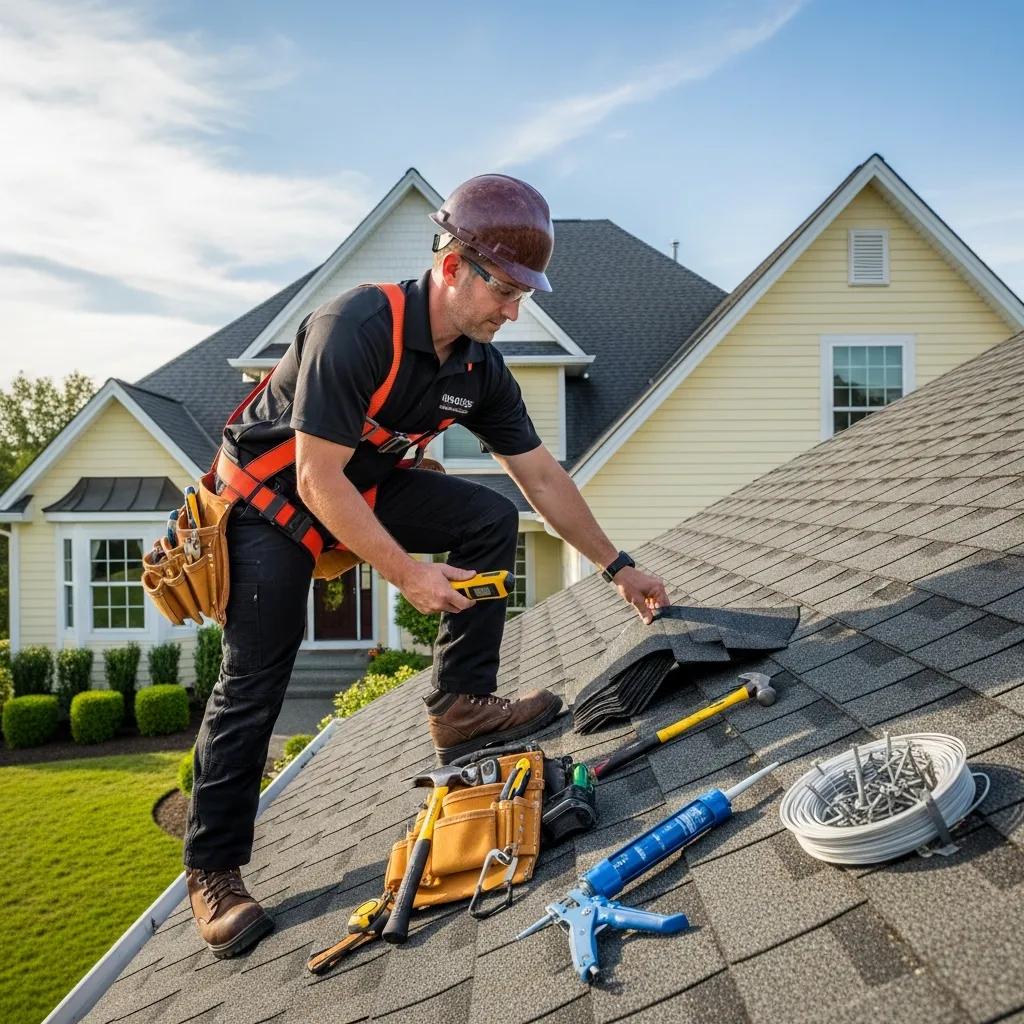
How to Choose the Top Quality Roofing Company for Your Home Renovation
How to Choose the Top Quality RoofingCompany for Your Home Renovation: Best Roofing Contractors Near Me and Reliable Roofers

Choosing the right roofing company for your home renovation is a critical decision that can significantly impact the quality and longevity of your roof. With numerous options available, homeowners often find themselves overwhelmed by the choices. This article aims to guide you through the essential factors to consider when selecting a top-qualityroofing company. You will learn how to verify credentials, compare roofing materials, understand warranties, budget effectively, and evaluate company reputations. By addressing these key areas, you can make an informed decision that ensures your home is protected for years to come. We will explore the verification of licensed roofing companies, the best roofing materials, the importance of warranties, budgeting for roofing projects, and how to assess company reviews.
How Can You Verify the Credentials of Licensed Roofing Companies?
Verifying the credentials of licensed roofing companies is essential to ensure you are hiring a qualified contractor. This process involves checking for proper licensing, insurance, and any relevant certifications. A licensed contractor has met specific state requirements, which often include passing exams and maintaining insurance coverage. This verification not only protects you as a homeowner but also ensures that the work performed meets industry standards.
What Licensing and Insurance Should a Roofing Contractor Have?
When hiring a roofing contractor, it is crucial to confirm that they possess the necessary licenses and insurance. Most states require roofing contractors to have a general contractor's license, which demonstrates their ability to perform roofing work legally. Additionally, they should carry liability insurance to protect you from potential damages during the project. Workers' compensation insurance is also essential, as it covers any injuries that may occur on the job site.
How to Check Verified Roofing Company Licenses and Insurance Status
To verify a roofing company's licenses and insurance status, you can follow these steps:
Visit State Licensing Boards: Most states have online databases where you can check a contractor's license status.
Request Documentation: Ask the contractor for copies of their licenses and insurance certificates.
Contact Insurers: Reach out to the insurance companies to confirm that the policies are active and cover the necessary areas.
By taking these steps, you can ensure that the roofing contractor you choose is qualified and insured.
A recent study highlights the ongoing challenges contractors face with navigating complex regulatory requirements, despite their fundamental importance for professional credibility.
Contractor Oversight: Licensing, Insurance, Bonding, and Permitting Requirements The study findings indicate that while licensing, insurance, and bonding are considered fundamental for establishing professional credibility and ensuring regulatory compliance, the permitting process represents the primary obstacle. Participants consistently characterized permitting as excessively intricate, variable across different jurisdictions, and a frequent contributor to project schedule overruns. How Regulations Impact Contractors in California: Licensing, Insurance, Bonding & Permitting, 2025
What Are the Best Roofing Materials and Their Benefits for Your Home?

Selecting the right roofing material is vital for the durability and aesthetic appeal of your home. Different materials offer various benefits, including longevity, energy efficiency, and cost-effectiveness. Understanding these options can help you make an informed choice that aligns with your budget and style preferences.
Which Roofing Materials Offer the Best Durability and Warranty?
When considering durability, metal roofing often stands out due to its resistance to extreme weather conditions and longevity. Asphalt shingles typically come with warranties ranging from 20 to 30 years, while metal roofs can have warranties of 50 years or more. Tile roofing also offers excellent durability, with warranties that can exceed 50 years. Choosing materials with robust warranties can provide peace of mind and protect your investment.
Why Are Roofing Warranties and Insurance Important When Choosing a Contractor?

Roofing warranties and insurance are critical components of the roofing process. They provide protection for both the homeowner and the contractor, ensuring that any issues arising from the installation or materials are addressed. Understanding the types of coverage available can help you make a more informed decision.
What Coverage Do Roofing Warranties Typically Include?
Roofing warranties generally cover defects in materials and workmanship. Most warranties will include:
Material Defects: Coverage for any issues arising from faulty materials.
Workmanship: Protection against poor installation practices.
Transferability: Some warranties can be transferred to new homeowners, adding value to your property.
How Does Contractor Insurance Protect Homeowners During Renovation?
Contractor insurance protects homeowners by covering potential liabilities that may arise during the renovation process. This includes:
Liability Coverage: Protects against damages to your property caused by the contractor.
Worker's Compensation: Covers medical expenses for workers injured on the job, ensuring you are not liable for these costs.
Understanding these protections can help you feel more secure in your choice of contractor.
How to Budget and Understand Cost Factors for Roofing Projects
Budgeting for a roofing project involves understanding the various cost factors that can influence the overall price. By being aware of these elements, you can create a realistic budget that accommodates your needs.
What Influences the Cost of Roof Replacement and Repair?
Several factors can affect the cost of roof replacement and repair, including:
Material Choice: Different materials come with varying price points.
Labor Costs: The complexity of the job can influence labor expenses.
Project Size: Larger roofs will naturally incur higher costs.
By considering these factors, you can better estimate your roofing project costs.
How to Use Roofing Cost Estimates and Budget Effectively
To budget effectively for your roofing project, consider the following strategies:
Get Multiple Estimates: Obtain quotes from several contractors to compare prices and services.
Include Contingency Funds: Set aside an additional 10-20% of your budget for unexpected expenses.
Prioritize Needs vs. Wants: Focus on essential repairs and upgrades before considering aesthetic enhancements.
These strategies can help you manage your roofing budget more effectively.
How to Evaluate Roofing Company Reviews and Reputation Management
Assessing the reputation of a roofing company is crucial in ensuring you choose a reliable contractor. Reviews and feedback from previous customers can provide valuable insights into the quality of work and customer service.
What Questions to Ask When Reading Roofing Contractor Reviews?
When evaluating reviews, consider asking the following questions:
What was the quality of the work?
How did the contractor handle issues or complaints?
Were the project timelines met?
These questions can help you gauge the reliability and professionalism of the contractor.
How to Identify Reliable Roofers Through Customer Feedback
To identify trustworthy roofers, look for patterns in customer feedback. Consider:
Consistency: Are there recurring themes in positive or negative reviews?
Response to Complaints: How does the contractor respond to negative feedback?
Overall Ratings: What is the average rating across multiple platforms?
By analyzing these factors, you can make a more informed decision about which roofing company to hire.
What Is the Typical Roofing Project Timeline and What Should You Expect?
Understanding the typical timeline for a roofing project can help you set realistic expectations. Knowing what to expect at each stage of the process can also alleviate any concerns you may have.
How Long Does a Roof Replacement Usually Take?
A roof replacement typically takes between 1 to 3 days, depending on the size and complexity of the project. Factors that can influence the timeline include:
Weather Conditions: Inclement weather can delay progress.
Roof Size: Larger roofs will require more time to complete.
Material Type: Some materials may take longer to install than others.
What Are the Key Steps in a Roofing Renovation Project?
A roofing renovation project generally involves several key steps:
Initial Inspection: Assessing the current roof condition.
Material Selection: Choosing the appropriate roofing materials.
Installation: Removing the old roof and installing the new one.
Final Inspection: Ensuring the work meets quality standards.