Protect Your New York Roof: Essential Guide
Home Improvement, New York Roofing
New York Roofing: Everything Homeowners Need to Know About Protecting Their Roof
From Brooklyn brownstones to Queens capes and Staten Island colonials, New York roofing faces some of the toughest conditions in the country. This guide explains how to protect your roof in New York City, Long Island, Westchester, and beyond—so you can avoid leaks, emergency repairs, and costly damage.
Why New York Roofing Is Different
New York roofing is shaped by four-season weather, dense neighborhoods, and strict building codes. Whether you live in Manhattan, the Bronx, or out on Long Island, your roof has to stand up to heavy snow, nor’easters, summer heat waves, and salty coastal air. That combination can shorten a roof’s life if it is not properly installed, ventilated, and maintained.
In New York City especially, many homes have flat or low-slope roofs, often covered with modified bitumen, EPDM rubber, or built-up roofing systems. In suburbs like Yonkers, White Plains, or Garden City, pitched roofs with asphalt shingles are more common. Understanding which system you have—and how it should perform in your borough or city—is the first step to protecting it.
Common Roofing Materials in New York Homes
Asphalt shingles: Popular in Queens, Staten Island, and Long Island for pitched roofs. They are cost-effective, come in many styles, and usually last 20–30 years when properly installed and ventilated.
Flat roofing membranes: In Brooklyn, Manhattan, and parts of the Bronx, flat roofs often use modified bitumen, TPO, or EPDM. These systems require expert installation and regular inspections to avoid ponding water and seam failures.
Metal roofing: Seen on modern townhomes and some upstate New York properties, metal roofs are durable and shed snow easily but must be installed with proper flashing to prevent leaks.
Tile and slate: Historic homes in Brooklyn Heights, Park Slope, and parts of Westchester may feature slate or tile. These materials can last decades but require specialized New York roofing contractors for repairs.
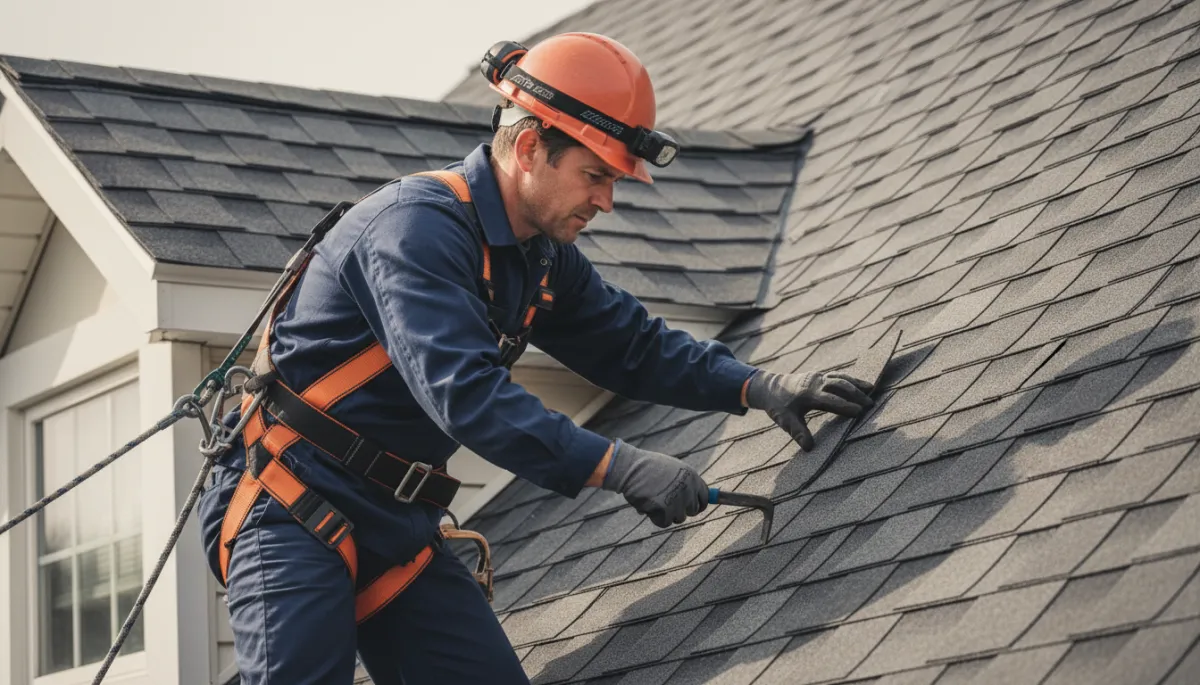
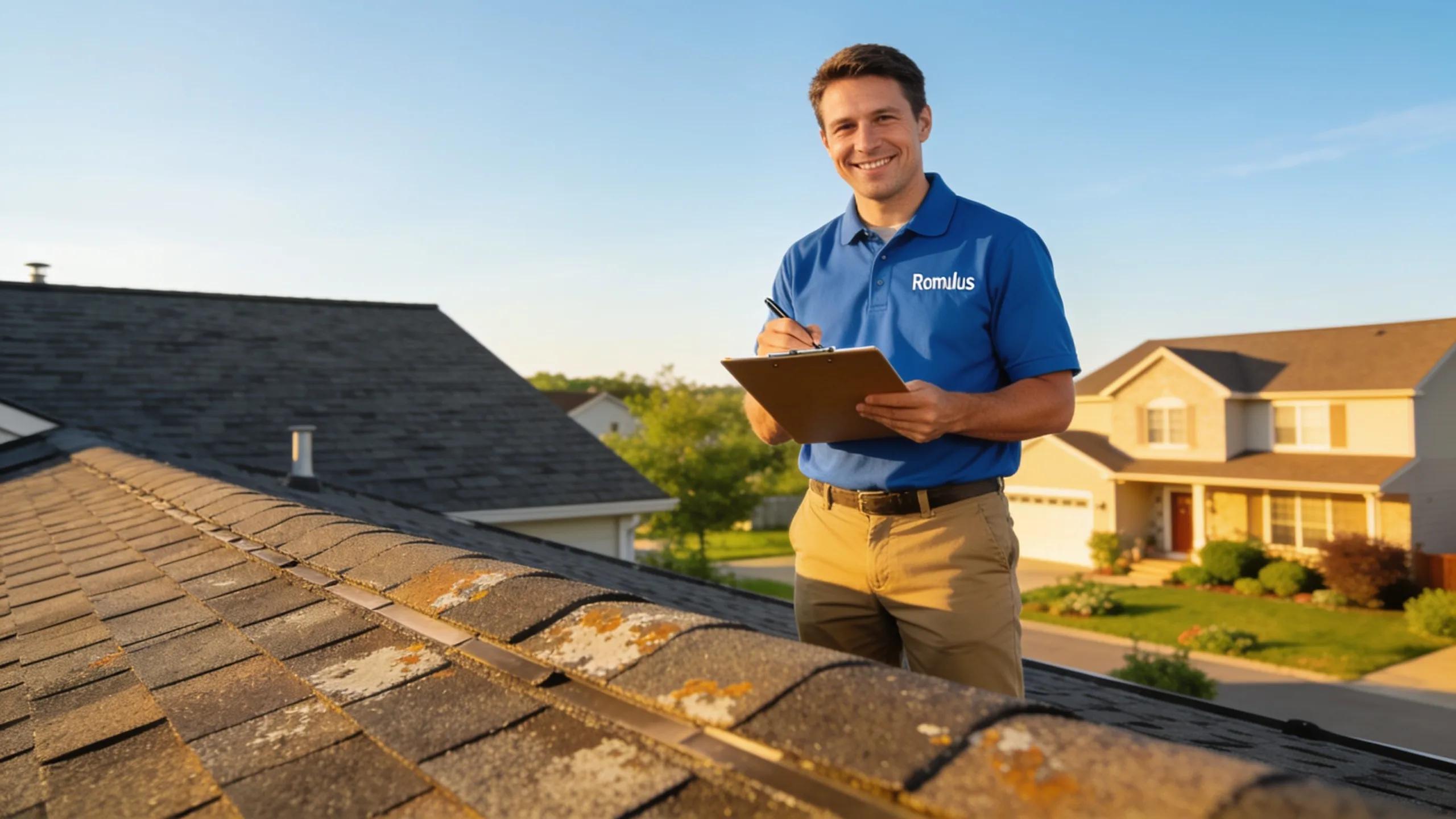
Regular inspections help New York homeowners catch small roofing issues before they become leaks.
Key Threats to New York Roofs
In the five boroughs and nearby cities like Jersey City and New Rochelle, roofs are constantly under stress. Heavy snow can add weight and cause ice dams, especially in older Brooklyn and Queens homes with poor attic insulation. Spring and fall bring wind-driven rain that can lift shingles or push water under flashing around chimneys and skylights. Summer sun bakes flat roofs in Manhattan and the Bronx, drying out materials and causing cracks.
Urban debris is another issue. Leaves, trash, and branches can clog drains and gutters on city roofs, leading to standing water and leaks. In coastal areas like the Rockaways or Staten Island’s East Shore, salt air can speed up corrosion of metal flashing and fasteners. A solid New York roofing maintenance plan is essential to stay ahead of these threats.
Maintenance Tips for New York Homeowners
Schedule a professional roof inspection at least once a year, ideally in spring, and again after major storms that hit New York City or Long Island.
Keep gutters, downspouts, and roof drains clear, especially in tree-lined neighborhoods like Forest Hills, Riverdale, and parts of Brooklyn.
Check ceilings and top-floor walls for stains or peeling paint, which can signal hidden roof leaks.
Ask your contractor about ventilation and insulation; many New York roofing problems start in the attic, not on the surface.
Choosing a New York Roofing Contractor
Because of local codes and weather, it is important to work with a licensed, insured New York roofing company familiar with your specific city or borough. When you request estimates in Brooklyn, Queens, or the Bronx, ask how long the contractor has worked in that area, what materials they recommend for your building type, and what warranties they offer on both labor and materials.
Get at least three written quotes, compare the scope of work, and avoid bids that seem unusually low. Quality roofing in New York is an investment that protects everything under your roof—from your family to your belongings and your property value.
New York Roofing FAQs for Homeowners
1. How long does a typical New York roof last?
In cities like New York City, Yonkers, and Hempstead, asphalt shingle roofs usually last 20–25 years, while flat roofing systems may last 15–30 years depending on material and maintenance. Harsh winters, intense sun, and coastal exposure can shorten that timeline, so regular inspections are essential.
2. How often should I have my roof inspected in New York?
Most New York roofing experts recommend a full inspection once a year, plus a check after major storms, especially in coastal neighborhoods like Coney Island, the Rockaways, or South Shore Long Island where wind and rain are more intense.
3. Do I need a permit to replace my roof in New York City?
In many cases, yes. The New York City Department of Buildings and local village or town building departments across New York State often require permits for full roof replacements, structural work, or changes in roofing materials. A reputable contractor will handle the permitting process for you.
4. What are signs my New York roof needs replacement instead of repair?
Warning signs include widespread shingle curling, bald spots where granules are missing, multiple leaks, sagging areas, or a flat roof membrane that is blistered and cracking. If your roof in Brooklyn, Queens, or Westchester is over 20 years old and showing these issues, a full replacement may be more cost-effective than repeated repairs.
5. Can I install a new roof over my old one in New York?
Some building codes in New York allow one additional layer of shingles over an existing layer, but this is not always recommended. It can hide underlying damage and add extra weight. Many New York roofing professionals prefer a full tear-off so they can inspect the decking and install modern underlayments and flashing.
6. How can I make my New York roof more energy efficient?
Consider cool roofing materials, lighter-colored shingles, or reflective coatings on flat roofs, which are popular in Manhattan and Brooklyn. Proper attic insulation and ventilation in Queens, Staten Island, and suburban homes can also reduce heat loss in winter and cooling costs in summer.
7. How do I choose the right New York roofing company?
Look for licensed, insured contractors with strong reviews in your specific city or borough. Ask for local references in neighborhoods like Astoria, Bay Ridge, or Harlem, verify manufacturer certifications, and make sure the company offers clear written estimates and warranties.
Protecting Your Roof, Protecting Your Home
New York roofing is more than shingles and membranes—it is your first line of defense against the city’s unpredictable weather. By understanding your roof type, staying on top of maintenance, and partnering with a trusted local contractor, you can keep your home dry, safe, and efficient in any season, from Midtown Manhattan to the suburbs of Long Island and Westchester.