7 Warning Signs Your Roof Needs Replacement Before Winter
As winter approaches in New York, homeowners should pay close attention to the condition of their roofs. Heavy snowfall, freezing temperatures, strong winds, and ice accumulation can put additional stress on an already aging or damaged roofing system. A roof that performs adequately during summer may develop serious problems when exposed to harsh winter weather.
For homeowners in Romulus and the surrounding Finger Lakes region, preparing the roof before temperatures drop can help prevent unexpected leaks, interior water damage, and expensive emergency repairs.
While some roofing problems can be resolved through minor repairs, others indicate that a complete roof replacement may be necessary. Here are seven warning signs that your roof may need replacement before winter arrives.
1. Missing, Cracked, or Curling Shingles
Shingles provide the first layer of protection against rain, snow, and wind. Over time, exposure to sunlight, temperature changes, and severe weather can cause them to deteriorate.
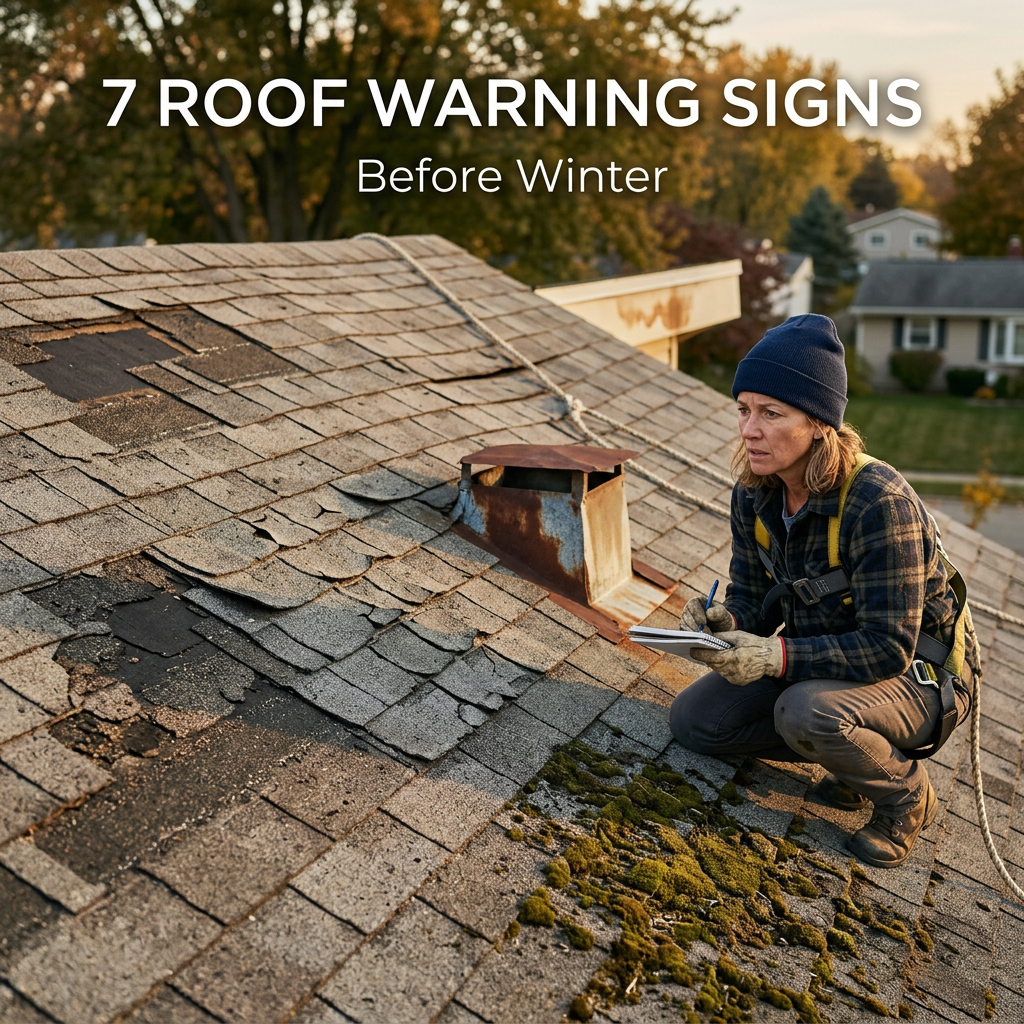
Look for shingles that are:
Missing or completely detached.
Cracked or broken.
Curling around the edges.
Buckling or lifting away from the roof.
Showing significant granule loss.
A few damaged shingles may only require localized repairs. However, if deterioration is widespread across the roof, replacement may be a more practical long-term solution.
Before winter, have a roofing professional evaluate the extent of the damage and determine whether the existing roofing system can continue providing reliable protection.
2. Frequent Roof Leaks and Water Stains
Recurring roof leaks are another important warning sign. If you repeatedly notice water stains on ceilings, damp walls, or moisture in the attic, your roofing system may have underlying problems.
Leaks can develop because of damaged shingles, deteriorated flashing, failed seals, or compromised underlayment.
Winter conditions can make these problems worse. Melting snow and ice can allow water to enter through vulnerable areas of the roof, potentially damaging insulation, drywall, and wooden structural components.
If repairs have not resolved recurring leaks, a professional inspection can help determine whether the roof needs more extensive work or complete replacement.
3. Your Roof Is Approaching the End of Its Lifespan
Every roofing material has an expected service life. As roofing systems age, they gradually lose their ability to protect a building from moisture and weather exposure.
For example, asphalt shingle roofs have varying lifespans depending on product quality, installation, ventilation, and maintenance. Metal roofing systems can last considerably longer when properly specified and maintained.
If your roof is approaching the end of its expected service life and showing signs of deterioration, arranging an inspection before winter is a sensible step.
A roofing contractor can assess its current condition and help you decide whether continued repairs or a complete roof replacement makes more sense.
4. Sagging Roof Sections or Structural Problems
A sagging roofline should never be ignored. It may indicate problems with the roof decking, rafters, trusses, or other structural components.
Heavy snow accumulation during New York winters can place additional weight on a roof. An already weakened structure may be more vulnerable to excessive loading.
Watch for:
Visible dips or uneven roof sections.
Sagging areas along the roofline.
New cracks in ceilings or interior walls.
Signs of moisture damage in the attic.
Unusual structural movement.
Structural concerns require prompt assessment by a qualified professional. Roof replacement alone may not resolve the underlying issue if structural repairs are also necessary.
5. Excessive Granules in Gutters
Asphalt shingles contain protective granules that help shield them from sunlight and environmental exposure.
Over time, some granule loss is normal. However, excessive accumulation of granules in gutters and downspouts can indicate that shingles are deteriorating.
You may also notice bald patches or uneven surfaces across the roof.
When significant granule loss occurs throughout the roofing system, shingles may become more vulnerable to weather-related deterioration.
If your roof is already aging and showing widespread granule loss, have it inspected to determine whether replacement should be considered before winter.
6. Damaged Flashing and Repeated Ice-Related Problems
Flashing is installed around roof penetrations, chimneys, valleys, vents, and other vulnerable areas to help prevent water intrusion.
Damaged, loose, or deteriorated flashing can create openings that allow water to enter the roof assembly.
During winter, melting snow and ice can increase the risk of leaks around these areas. Repeated freezing and thawing may also expose existing weaknesses in the roofing system.
If the flashing is damaged only in isolated locations, repairs may be sufficient. However, widespread deterioration combined with an aging roof may indicate the need for replacement.
Proper installation of flashing, underlayment, and other waterproofing components is essential for long-term roof performance.
7. Your Roof Requires Frequent and Expensive Repairs
If you have been scheduling roof repairs repeatedly, it may be time to evaluate whether continuing with individual repairs is the most cost-effective approach.
For example, replacing a few shingles or repairing a small leak may be reasonable. However, when different sections of the roof continue developing problems, repair costs can accumulate quickly.
A complete roof replacement may provide a more dependable long-term solution when deterioration is widespread.
Before making a decision, compare the expected cost of continued repairs with the cost, benefits, and expected service life of a new roofing system.
Why Roof Replacement Before Winter Is Important
Delaying necessary roof replacement can expose your home to additional risks during the colder months.
A damaged roofing system may allow melting snow and rainwater to enter the building. Moisture can affect insulation, ceilings, walls, and wooden components.
Replacing a deteriorated roof before winter can help:
Reduce the risk of winter roof leaks.
Improve protection against rain, snow, and wind.
Address existing roofing weaknesses.
Improve the overall condition and appearance of your home.
Avoid some weather-related emergency repair situations.
Roof replacement scheduling should account for weather conditions, material requirements, and manufacturer installation guidelines. Not every roofing material can be installed under all temperature and weather conditions.
Which Roofing Material Should You Consider for Winter?
If your roof needs replacement, selecting the appropriate roofing material is just as important as choosing the right contractor.
Asphalt Shingle Roofing
Asphalt shingles are a common residential roofing option. They are available in different styles and colors and can provide dependable protection when properly selected and installed.
Homeowners should consider shingle quality, ventilation, underlayment, and installation requirements when planning a replacement.
Metal Roofing
Metal roofing is another option worth considering for New York homes. Its durability, range of panel designs, and relatively low routine maintenance requirements make it attractive to many property owners.
Standing seam metal roofing offers a clean appearance with raised seams and concealed fasteners in many systems. Corrugated metal roofing provides a different profile and can be suitable for selected residential and other building applications.
You can explore Standing Seam Metal Roofing and Corrugated Metal Roofing to learn more about these options.
The right roofing system depends on your home's structure, roof slope, budget, and local weather requirements.
Why Choose LS Roofing NY for Roof Replacement?
Choosing an experienced roofing contractor is essential when planning a roof replacement. Proper installation involves more than installing new shingles or metal panels. It requires careful assessment of the existing structure, suitable material selection, proper underlayment, flashing, ventilation, and attention to installation details.
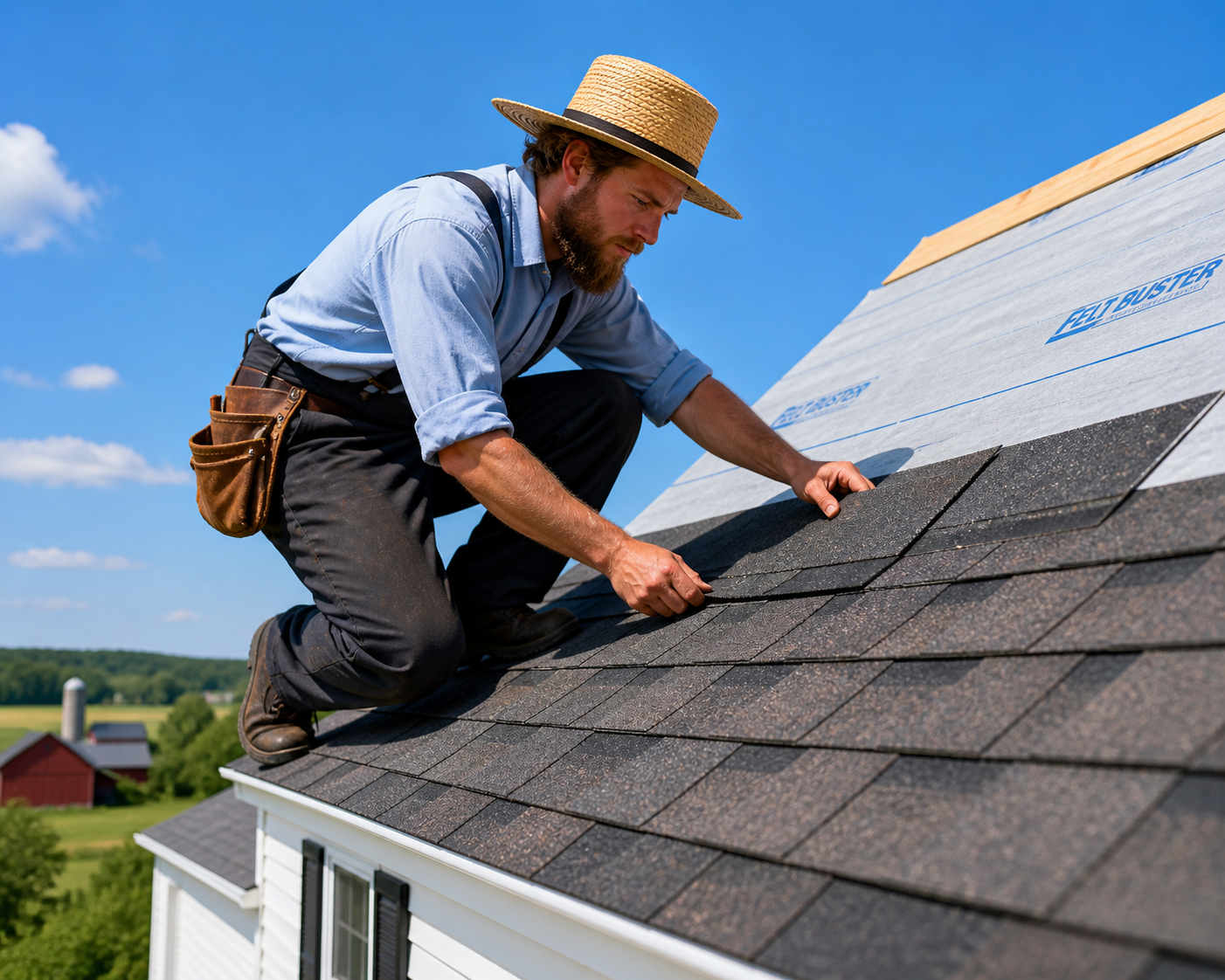
LS Roofing LLC is a family and Amish-owned roofing company based in Romulus, New York. The company combines traditional craftsmanship with modern roofing practices to provide residential and commercial roofing solutions throughout its surrounding service area.
Its services include roof installation, repairs, replacements, and metal roofing solutions.
Homeowners looking for professional Residential Roofing Services can explore the company's roofing options and discuss their property's requirements.
If you are considering a new roof, LS Roofing also provides New Roof Installation Services in New York.
Frequently Asked Questions
1. How do I know if my roof needs replacement before winter?
Common warning signs include missing or curling shingles, recurring leaks, excessive granule loss, sagging roof sections, damaged flashing, and frequent repair requirements. A professional inspection can help determine whether replacement is necessary.
2. Is it better to replace a roof before winter?
If your roof has significant deterioration or recurring leaks, replacing it before winter can help reduce the risk of weather-related damage. However, installation must be scheduled according to suitable weather conditions and material specifications.
3. Can a damaged roof survive heavy snowfall?
A roof with existing damage may be more vulnerable to water intrusion and structural problems during heavy snowfall. Its ability to withstand snow loads depends on structural design, condition, and local snow-load requirements.
4. How long does residential roof replacement take?
The project timeline depends on roof size, complexity, materials, existing roof conditions, and weather. A roofing contractor can provide a more accurate estimate after inspecting the property.
5. Is metal roofing a good option for New York winters?
Metal roofing can be a suitable option for many New York properties because of its durability and ability to shed snow under appropriate conditions. Proper structural design, installation, and snow management are important considerations.
6. Should I repair or replace my roof if it has multiple leaks?
If leaks are isolated, repairs may be sufficient. However, multiple recurring leaks combined with widespread material deterioration may indicate that replacement is a better long-term solution.
7. How can I prepare my roof for winter?
Arrange a professional inspection, repair damaged shingles and flashing, clean gutters, check attic insulation and ventilation, and address existing leaks before freezing temperatures arrive.
Conclusion
Preparing your roof before winter is an important part of protecting your home from New York's changing weather conditions. Missing shingles, recurring leaks, excessive granule loss, damaged flashing, and structural concerns can all indicate that your roofing system needs professional attention.
While some problems can be addressed through repairs, widespread deterioration may make complete roof replacement a more practical investment.
If you notice any of these warning signs, consider scheduling a professional roof inspection before heavy snowfall and freezing temperatures arrive.
For homeowners in Romulus and the surrounding Finger Lakes region, LS Roofing NY provides residential roofing, roof replacement, repairs, and metal roofing solutions to help protect properties throughout the year. Visit the LS Roofing NY website to learn more and request your free roof inspection.